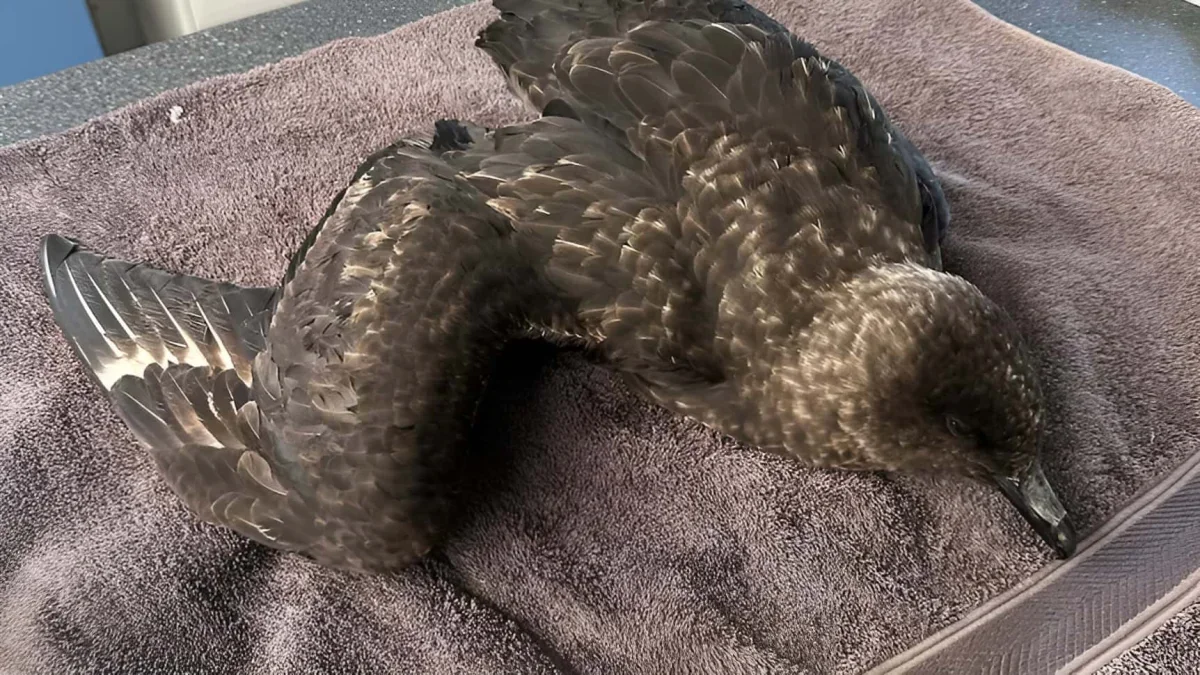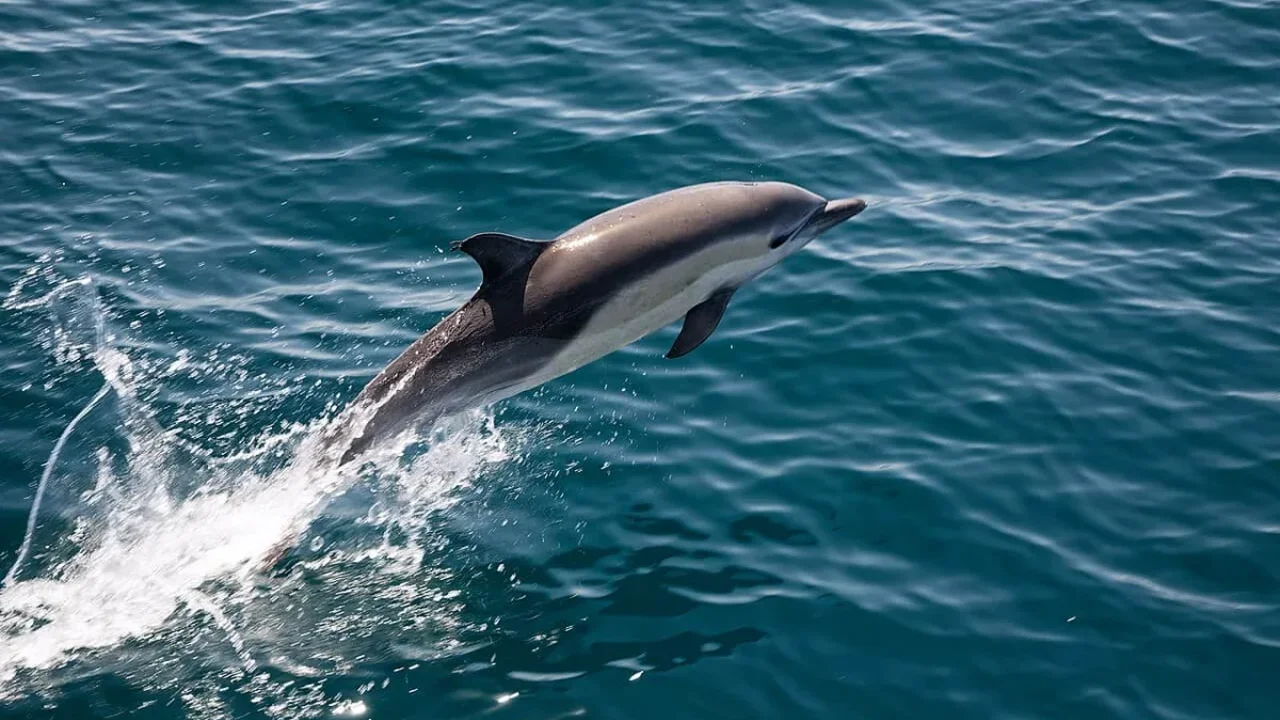
Australia's H5N1 monitoring has entered a new phase after the virus was confirmed in a common dolphin found near Goolwa, south of Adelaide. It is the country's first documented dolphin case, adding to a growing list of wildlife species affected since the virus was first detected in migratory seabirds in June.
In just over two months, the outbreak has expanded beyond birds to include fur seals, a fox, and now a marine mammal. By September 1, federal data showed 446 wildlife events linked to H5 bird flu, though each event can involve multiple animals. Officials say the virus has not been found in poultry or livestock, and the risk to people remains low.
Why the Dolphin Case Matters
Experts say the dolphin may have come into contact with an infected bird or eaten one, since dolphins and seabirds often feed in the same areas. South Australia's chief veterinary officer, Skye Fruean, noted that dolphins are considered highly susceptible, making the finding especially important for wildlife surveillance.
The case is unusual, but not without precedent. Similar spillover events have been recorded in Peru and Sweden, while studies in Florida have shown that H5N1 can concentrate in the brain of infected marine mammals. In the Goolwa dolphin, early testing also suggested a high viral load in brain tissue, though the full examination is still underway.
For now, there is no evidence of sustained mammal-to-mammal spread in Australia. That distinction matters, because repeated spillover into dense colonies of seals, sea lions, and dolphins could reshape how scientists track the virus across coastal ecosystems.
Australia's response is now focused on protecting vulnerable species and strengthening field surveillance, including plans around Macquarie Island and other wildlife-rich regions. The Goolwa case shows how quickly a virus can move through connected ecosystems, and how science is helping map the next frontier of animal health.
As monitoring expands, this development may help define a new era of wildlife biosecurity and early-warning science.