Google has announced an exciting new venture to establish a data center in Minnesota, powered by an impressive 1.9 gigawatts of clean energy. This initiative includes a groundbreaking 300-megawatt battery developed by the innovative startup, Form Energy.
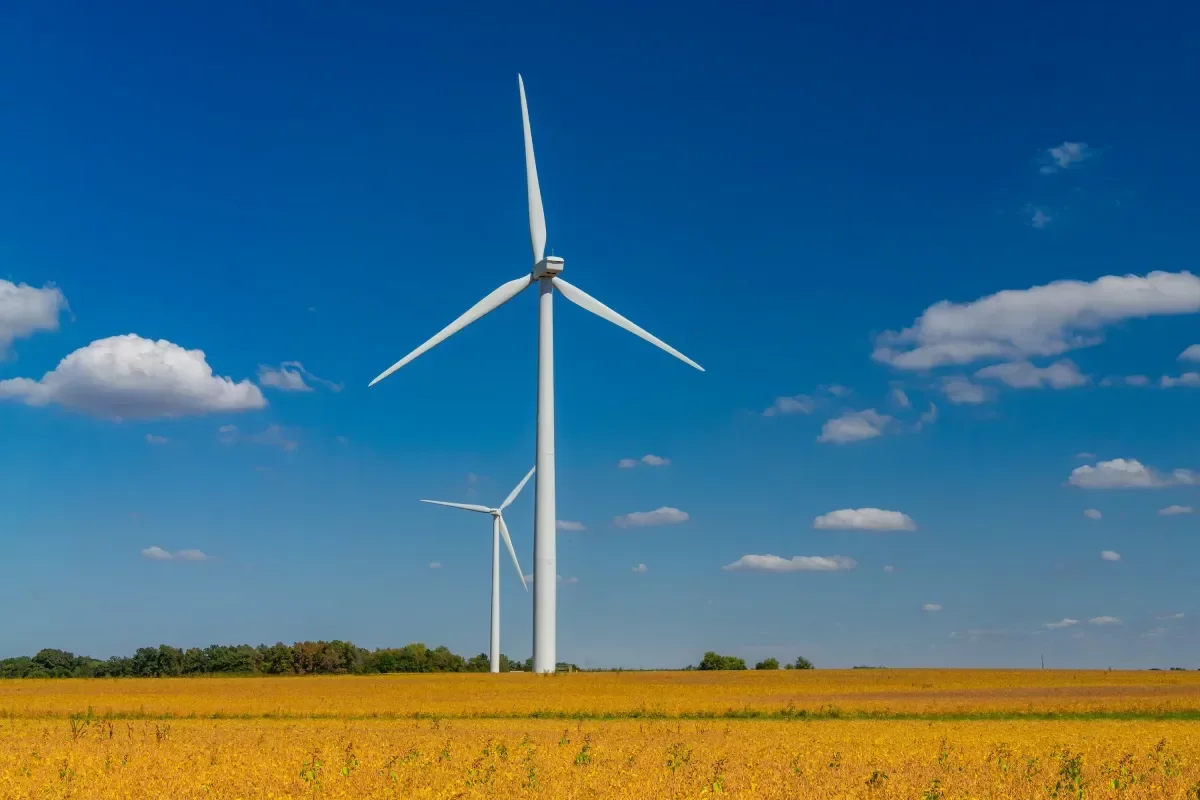
Situated in Pine Island, approximately an hour southeast of Minneapolis, this marks Google's inaugural data center in the state. The project will collaborate with Xcel Energy to harness 1.4 gigawatts of wind energy alongside 200 megawatts of solar power. These renewable sources will charge Form's battery, which boasts the capability to deliver its full power output for an astonishing 100 hours, making it the largest battery globally with a capacity of 30 gigawatt-hours.
Long-duration batteries like these play a crucial role in ensuring that renewable energy is available even during nighttime or periods of low production, effectively "firming" the energy supply. While traditional grid-scale lithium-ion batteries provide shorter bursts of energy, Form Energy's batteries promise a more sustained solution.
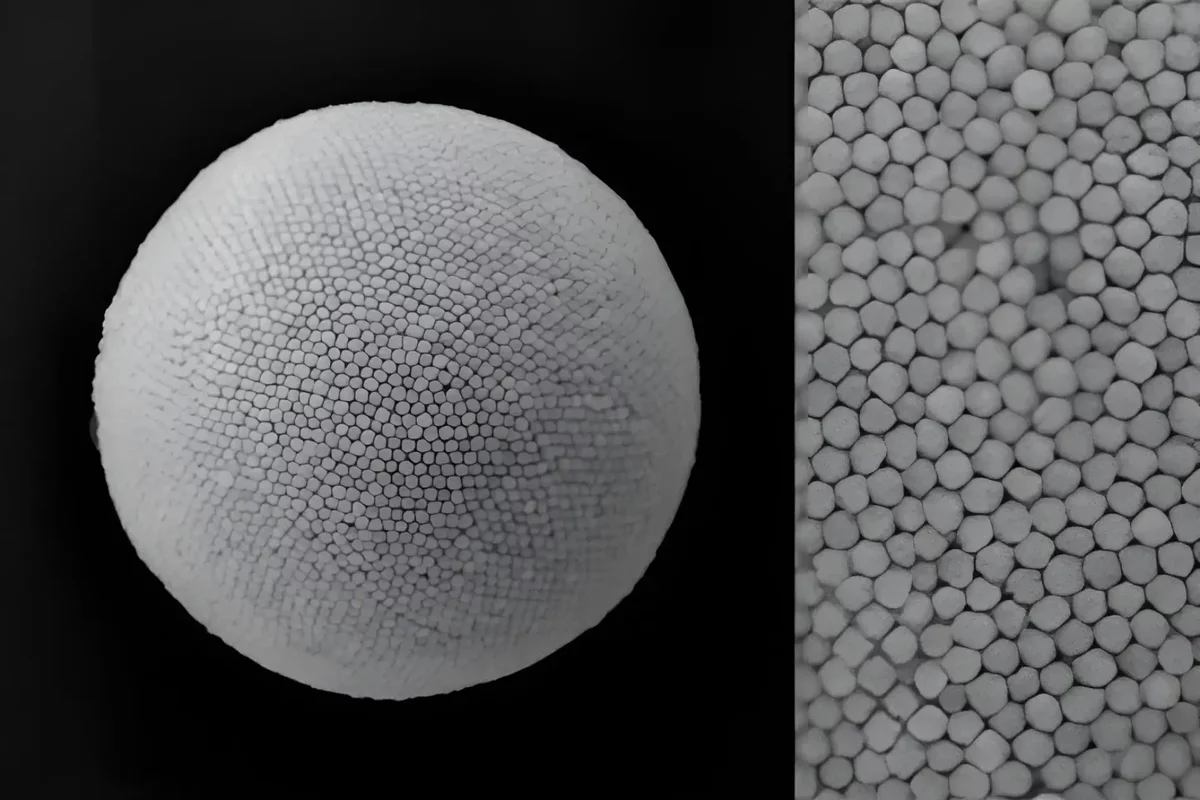
What sets Form's technology apart is its unique method of energy storage, which involves rusting and deoxidizing iron. When oxygen interacts with iron pebbles inside the battery, it generates electricity through the rusting process. Reversing this reaction allows for recharging the battery, effectively transforming rust back into iron while releasing oxygen.
Although Form's iron-air batteries are heavier and less efficient--delivering only 50% to 70% of the energy used for charging, compared to over 90% for lithium-ion batteries--they present a significant economic advantage. Form estimates that the cost of storing one kilowatt-hour of energy using their technology could be as low as $20, making it at least three times cheaper than conventional lithium-ion solutions.
The initiative also introduces a novel utility fee structure in Minnesota, designed to encourage utilities to embrace clean technologies while complying with regulatory requirements that prioritize cost-effectiveness. This approach, previously tested in Nevada, is part of a "clean transition tariff" that allows Xcel to undertake potentially risky projects with Google covering the premium costs, ensuring that regular customers are not adversely affected.
Both solar and wind technologies are well-established, yet Form's iron-air batteries remain in the early stages of deployment. The startup is currently installing its first battery in Minnesota in collaboration with Great River Energy, which will store 150 megawatt-hours of energy for 100 hours, capable of supplying 1.5 megawatts to the grid at peak performance.
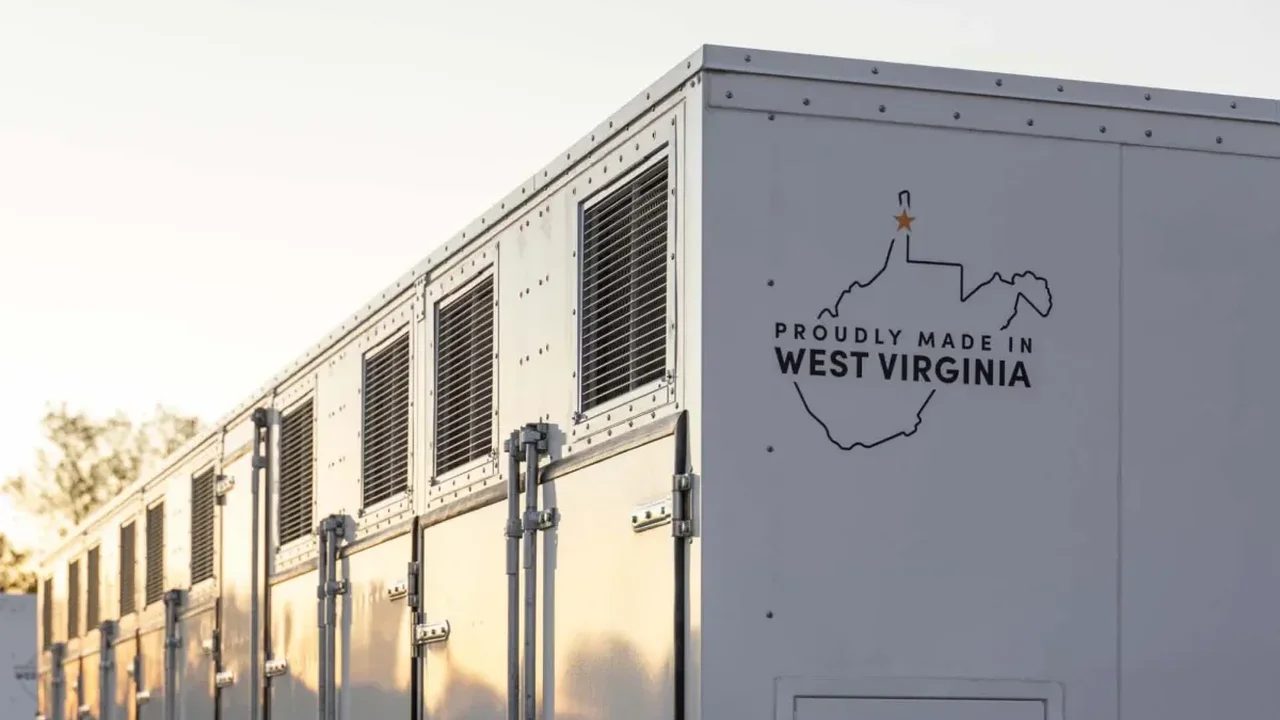
Form Energy operates a manufacturing facility in West Virginia and has successfully raised $1.4 billion to support its innovative projects, positioning itself at the forefront of the clean energy revolution.