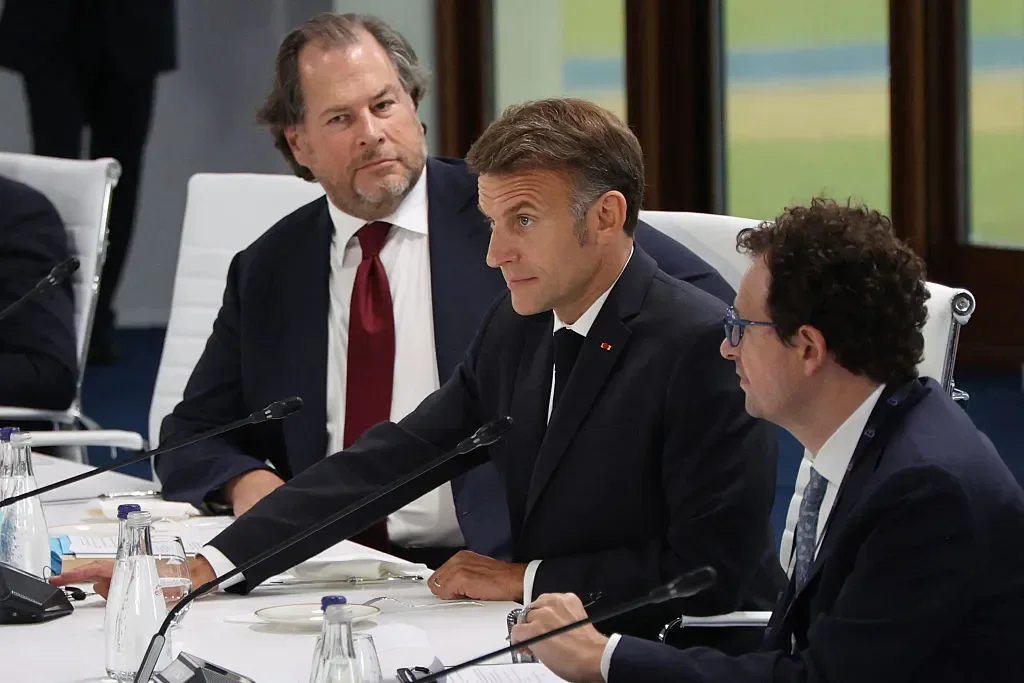
At the G7 summit, leaders from major economies highlighted a growing priority in the AI era: access to advanced models should be reliable, transparent, and globally usable. French President Emmanuel Macron and Indian Prime Minister Narendra Modi both stressed that countries building on U.S.-based AI systems want confidence that access will not change without notice.
The discussion gained urgency after the U.S. moved to restrict Anthropic's newest models, Mythos 5 and Fable 5, from export. The decision revived debate over how much control any single country should have over foundational AI tools that increasingly support business, research, and digital infrastructure.
Macron told leaders and AI executives that if access can be switched off suddenly, the impact would reach beyond customers and into the wider innovation ecosystem. Modi also underlined the importance of broad access for democratic nations seeking to strengthen critical systems and remain competitive in the global AI landscape.
Industry voices echoed that concern. Cohere CEO Aidan Gomez said long-term resilience depends on reducing dependence on a small number of dominant providers. The conversation in the G7 also included a possible trusted partners framework, designed to give selected non-U.S. users access to advanced models while supporting responsible use and stronger defenses.
While the details remain open, the direction is clear: AI is moving from a product question to a strategic infrastructure question. The next phase of global innovation may depend on how well countries balance openness, trust, and technological sovereignty.