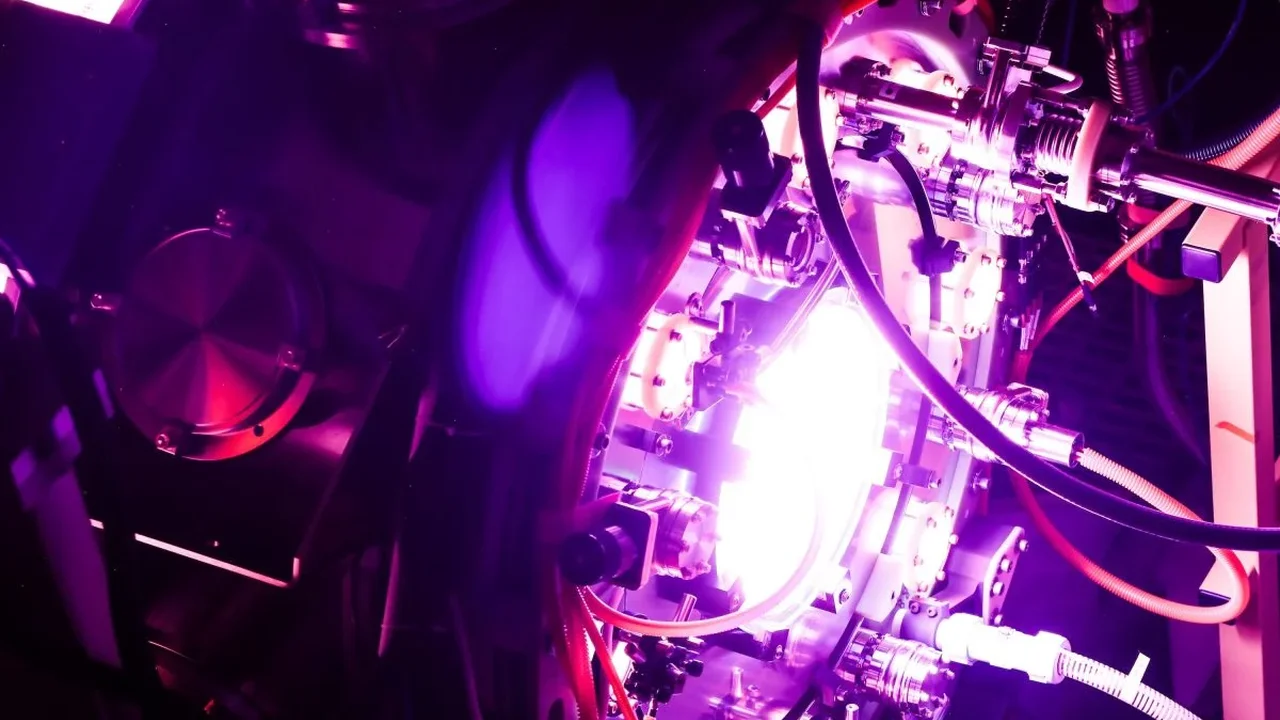
Fusion companies Helion and Commonwealth Fusion Systems (CFS) have received a combined $260 million in U.S. Department of Commerce awards to develop advanced semiconductors for controlling and powering their reactors. The funding is provided under the CHIPS and Science Act.
The awards come with a new condition: both companies will give the U.S. government non-voting equity. Helion received $175 million; based on its latest disclosed valuation of $15.5 billion, the government's stake is estimated at about 1%. CFS received $85 million, but its valuation has not been made public, so the size of its stake is unknown.
Funding with a stake in future growth
The sums are modest compared with the companies' funding to date: CFS has raised about $4 billion, while Helion has secured roughly $3.2 billion in committed capital. The awards may nevertheless signal renewed federal support for fusion, a field that requires substantial investment in materials, modeling and manufacturing before commercial power plants can become a reality.
For the government, equity offers a chance to share in a company's commercial success while supporting research and development. For startups and their investors, it introduces a trade-off: public funding can help advance complex technology, but the government's ownership stake may affect future financing decisions.
As fusion companies move toward commercial power, funding structures that balance public participation with private investment could help shape how the sector grows.