Fusion energy is moving from long-term promise to a fast-developing industrial race. Backed by advances in AI, high-performance chips, and high-temperature superconducting magnets, a new generation of startups is pushing reactor design, simulation, and control systems forward.
The field also gained momentum after a U.S. Department of Energy laboratory reported a controlled fusion experiment that crossed scientific breakeven, a milestone that strengthened confidence in the underlying physics. While commercial breakeven remains the larger goal, private capital has followed the progress with unusual speed.
Leading the funding surge
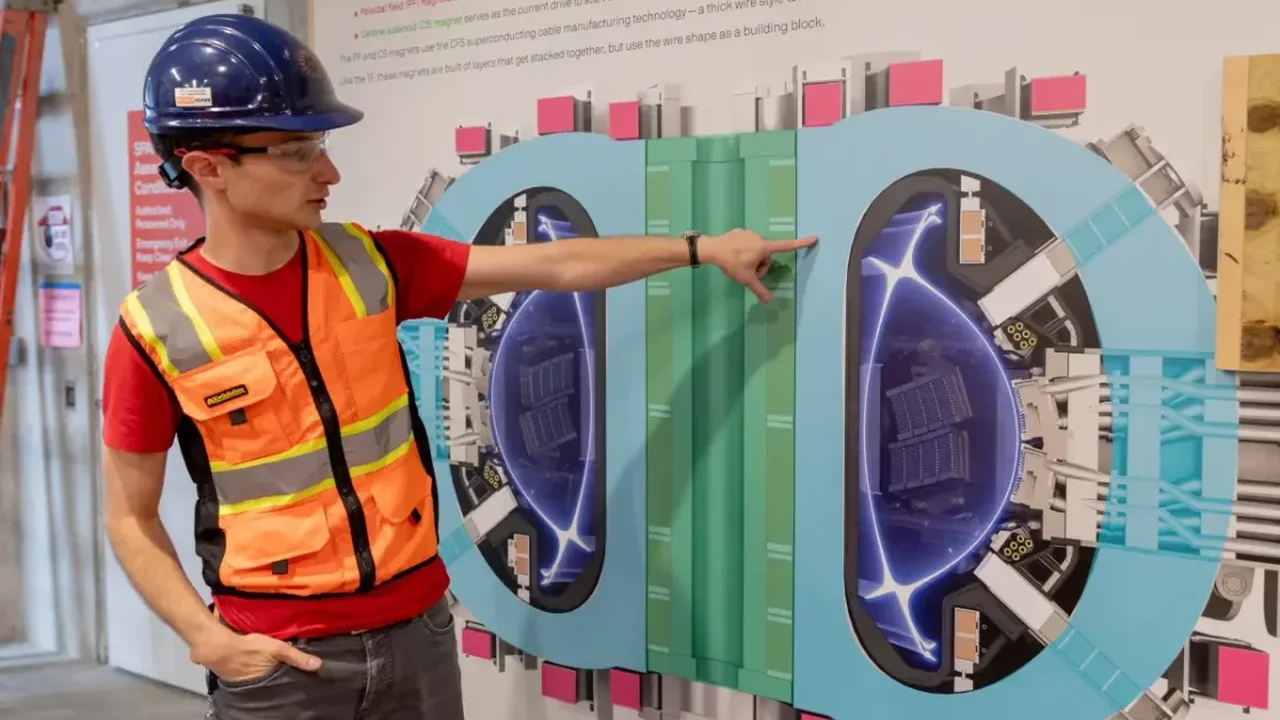
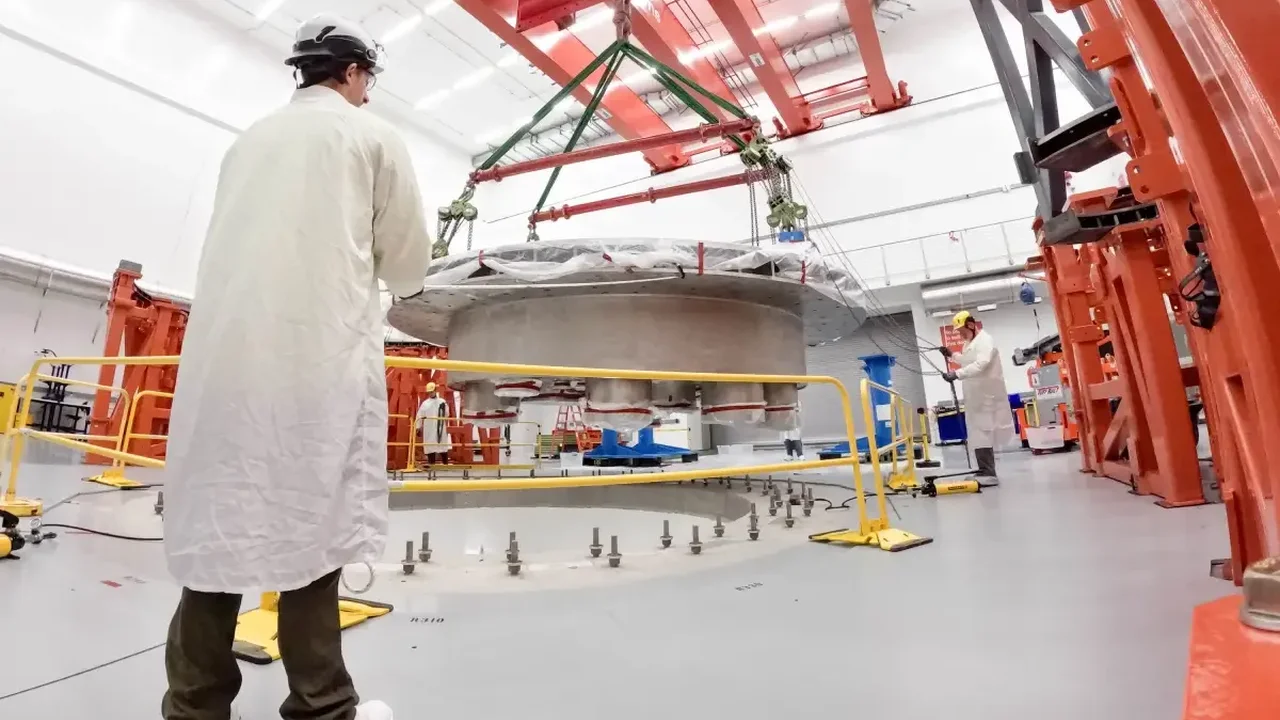
Commonwealth Fusion Systems remains the best-funded private fusion company, with nearly $3.94 billion raised and major work underway on its Sparc demonstration plant in Massachusetts. The company aims to reach scientific breakeven around 2027 and later build Arc, a 400-megawatt commercial plant planned for Virginia.
Helion is pursuing one of the most ambitious timelines, targeting electricity production in 2028 with Microsoft as its first customer. The Washington-based company has raised $3.2 billion and is advancing a reactor design that aims to convert fusion output into power directly inside the machine.
Other major names include TAE Technologies, Pacific Fusion, Proxima Fusion, Shine Technologies, Inertia Enterprises, General Fusion, Zap Energy, Tokamak Energy, Focused Energy, Marvel Fusion, Type One Energy, Kyoto Fusioneering, First Light Fusion, Thea Energy, and Xcimer. Their approaches range from tokamaks and stellarators to inertial confinement, magnetized target fusion, and hybrid power concepts.
What stands out most is not only the scale of funding, but also the diversity of technical paths. Some startups are building full power plants, while others are focusing on magnets, fuel targets, or supporting systems that could become essential infrastructure for the sector.
As fusion companies move from laboratory milestones toward pilot plants and commercial planning, the industry is beginning to look less like a speculative bet and more like a long-horizon energy platform. The next decade could determine whether fusion becomes a cornerstone of cleaner global power.