French AI startup ZML has introduced a free inference server designed to help large language models run efficiently across a wide range of chips, including Nvidia, AMD, Google TPU, Apple Metal and Intel Arc.
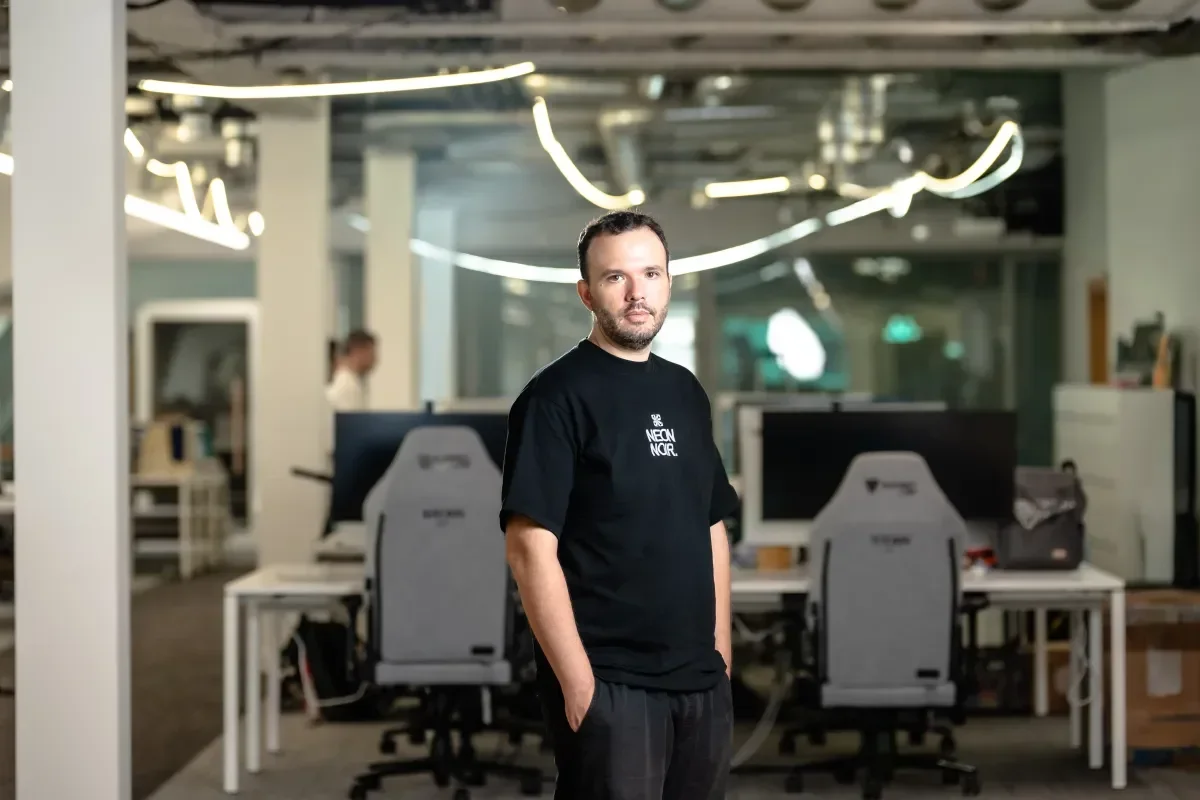
Called ZML/LLMD, the new software aims to reduce the barriers that often keep AI systems tied to a single hardware ecosystem. Founder Steeve Morin says the goal is to let enterprises and cloud providers combine different chips while reaching top performance, and in some cases even improving speed.
A push toward flexible AI infrastructure
As AI usage expands, inference -- the process of handling prompts and generating responses -- has become a major focus for companies looking to improve efficiency and control costs. ZML's approach is built around that shift, offering a tool that can help teams choose hardware based on performance, energy use or budget.
The company also sees room for emerging chipmakers, including several European players, to benefit from software that can adapt to new architectures. Morin says the broader vision is to make AI infrastructure more open, practical and scalable.
ZML is not positioning itself against Nvidia, but rather alongside a wider market that is rapidly growing around inference. The Paris-based startup says its lean team of 20 people has helped it move quickly, and additional releases are already planned.
Backed by $20 million from investors including 20VC, Kima Ventures and Hugging Face co-founders, ZML is launching LLMD as a free product for now, with monetization to come later. The move reflects a growing belief that the next wave of AI progress will depend as much on software efficiency as on model size. In the future, this kind of hardware-agnostic infrastructure could help make advanced AI more accessible across industries.