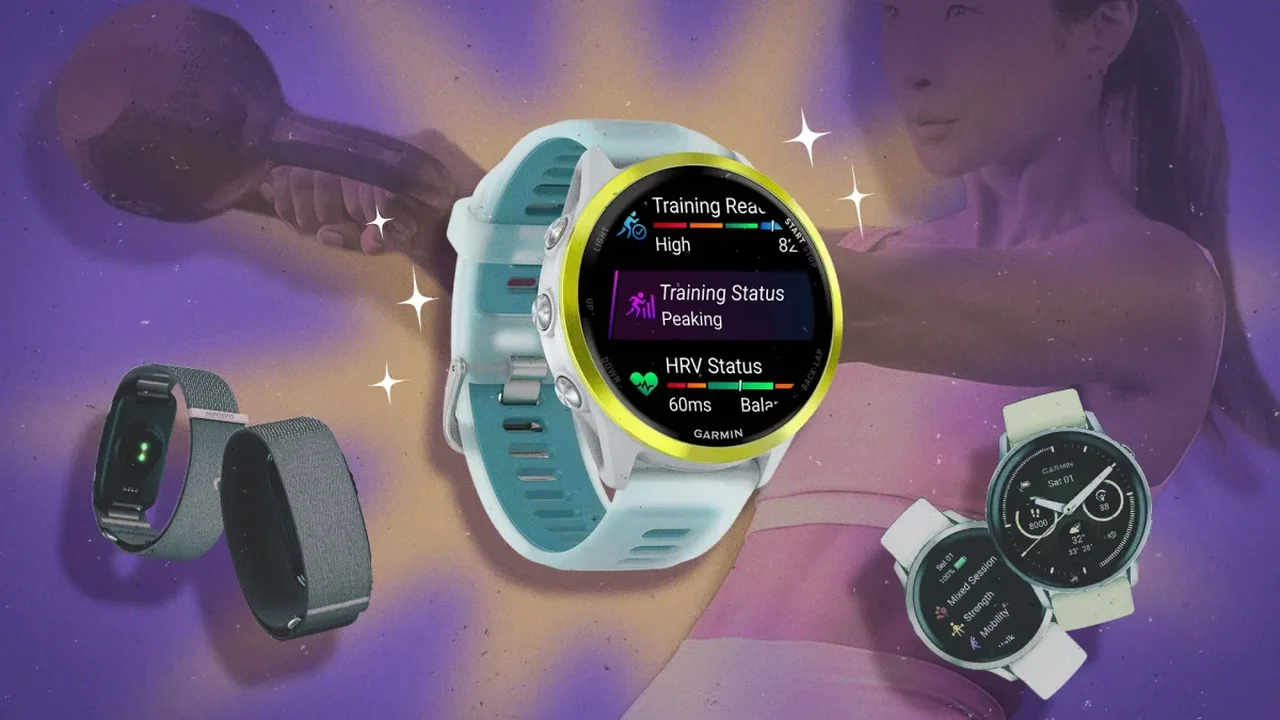
Garmin users can unlock more value from their devices by fine-tuning a few sleep settings and focusing on the metrics that matter most. Instead of relying on a single score, a smarter setup can turn an everyday watch into a more insightful overnight companion.
Build a sleep-focused dashboard
Start by moving the Sleep glance closer to the top of your watch menu so it appears first in the morning. Then enable Sleep Coach under sleep settings. This feature compares recent sleep patterns with training load and suggests how much rest your body may need that night.
It also helps to understand how Garmin builds its sleep score. The system combines sleep duration, sleep quality, and recovery signals linked to heart rate variability, giving users a broader view of overnight recovery.
Look beyond Body Battery
HRV is one of the most useful indicators for recovery trends. If it drops below your normal range, it can signal that your body needs more rest.
Pulse ox and respiration rate can add another layer of context, especially when viewed together. For sleep structure, total sleep time and how uninterrupted it was often provide more practical insight than stage estimates alone.
Track naps more accurately
Garmin can log naps of 20 minutes or longer, either manually or automatically on some models. This matters because nap data can adjust your nightly sleep needs and make Sleep Coach recommendations more precise.
Reduce overnight distractions
Nighttime brightness and notifications can interrupt recovery. Turning on Sleep Mode or Do Not Disturb helps keep the screen dim and alerts silent while you rest. Some models can activate these settings automatically based on your sleep schedule.
Use lifestyle logging
Garmin Connect also lets users record habits such as caffeine or alcohol intake alongside sleep data. Over time, these logs can reveal patterns that explain changes in sleep quality and help users make more informed choices.
For the best results, the watch should sit snugly on the wrist without rotating or feeling restrictive. And for users who want a lighter overnight experience, Garmin's purpose-built sleep wearables may offer a more seamless path to consistent data. As wearable sleep tools evolve, they are likely to make personal recovery tracking more precise and more useful in everyday life.