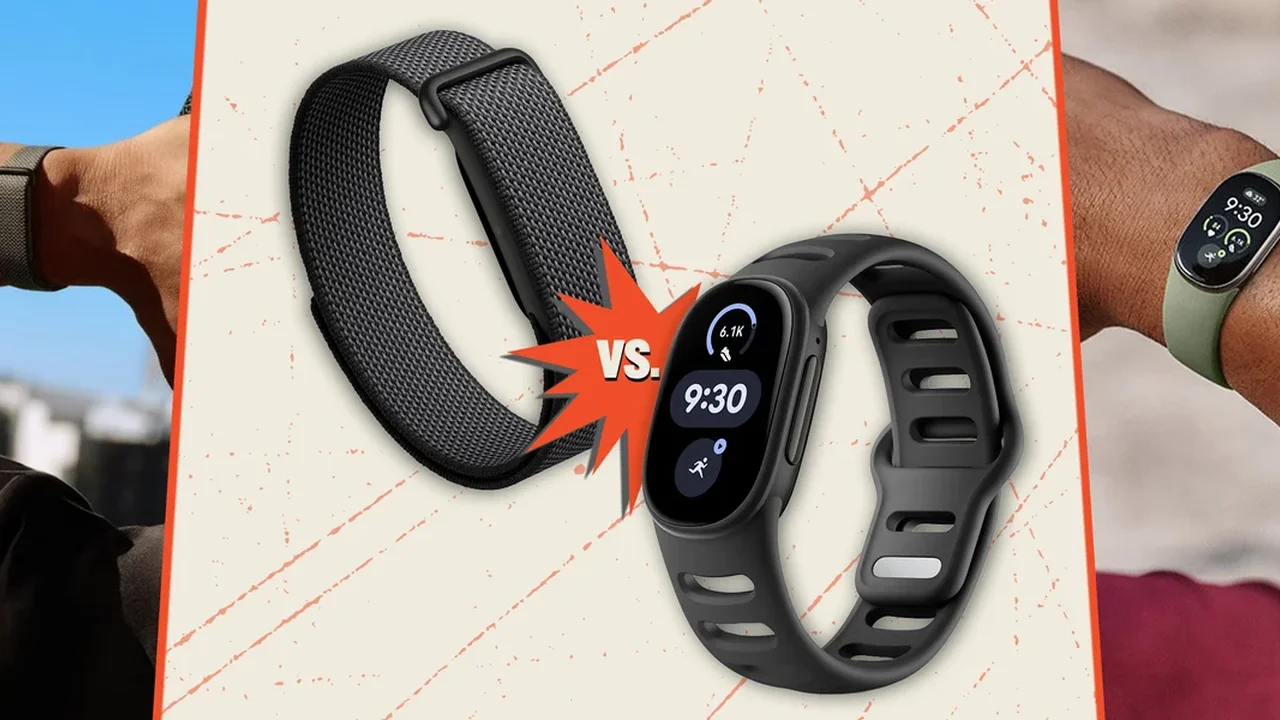
Google's Fitbit lineup now offers two distinct approaches to activity and wellness tracking. The Fitbit Air is a screen-free band priced at $99, while the $179 Fitbit Edge adds a display and more tools for workouts. Both work with iPhone and Android.
Shared health and sleep tracking
Both devices monitor heart rate, blood oxygen, heart-rate variability, sleep and overnight skin-temperature changes. The Google Health app turns these readings into features such as daily readiness and activity-load insights. Each tracker can also flag an irregular rhythm, though these tools are not a substitute for medical advice.
A subscription is not required for core tracking. Each device includes three months of Google Health Premium, which costs $9.99 per month afterward and adds features such as the AI-powered Health Coach and tailored workout plans.
Air: simple, light and screen-free
The compact Air has no display or built-in GPS, so workout details appear in the app rather than on your wrist. To map an outdoor run, you'll need to bring your phone. Its battery is rated for up to seven days, and the lower price makes it a straightforward option for people focused on sleep, walks, lifting or general activity.
Edge: live workout data and GPS
The Edge's 1.34-inch screen shows pace, heart-rate zones and lap splits as you exercise. Built-in GPS records routes without a phone, while an altimeter tracks elevation. It also adds an ECG app and a dedicated skin-temperature sensor. The trade-offs are a higher price and a larger design; using the always-on display can reduce battery life from around seven days to about two.
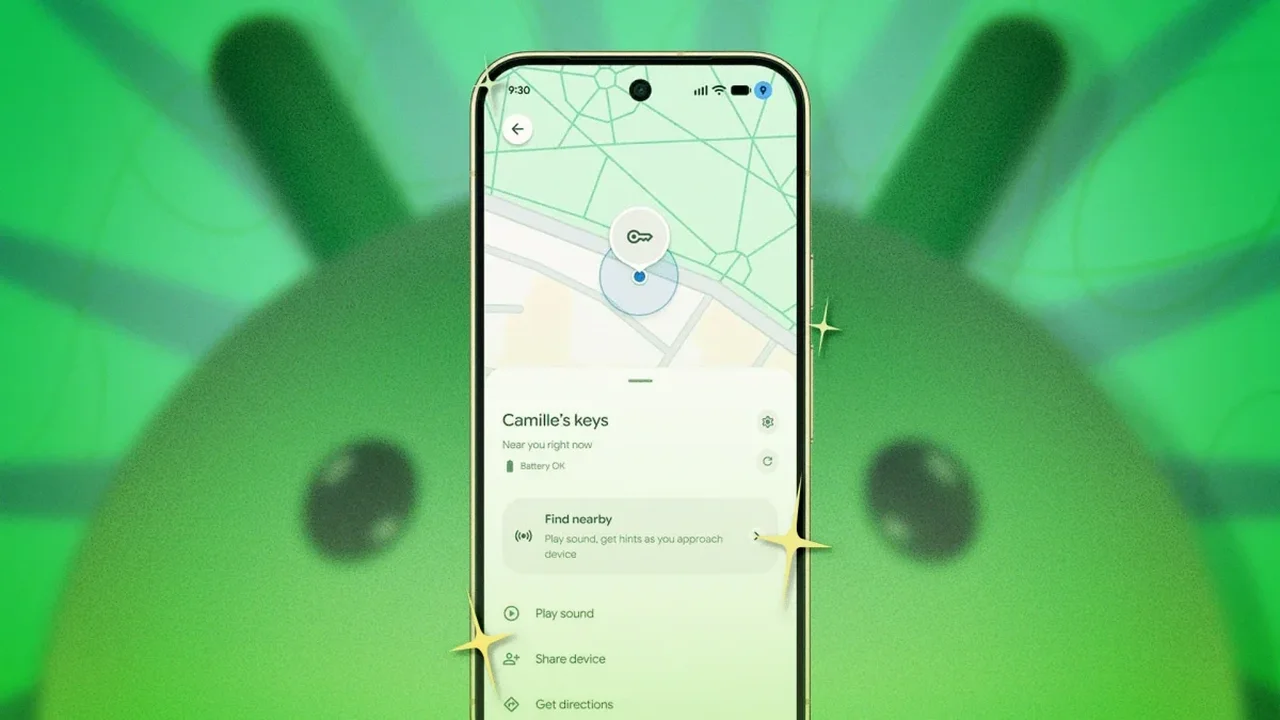
The Edge includes basic smart features such as maps, weather, notifications and phone-finding tools, but it does not support contactless payments. If wrist payments matter, the older Fitbit Charge 6 retains NFC; owners who mainly want Google Health features may not need to upgrade.
Choose Air for a discreet, lower-cost tracker, or Edge if seeing workout metrics and recording routes without a phone are priorities. As wearable sensors evolve, the clearest value will come from turning everyday measurements into useful, personalized guidance.