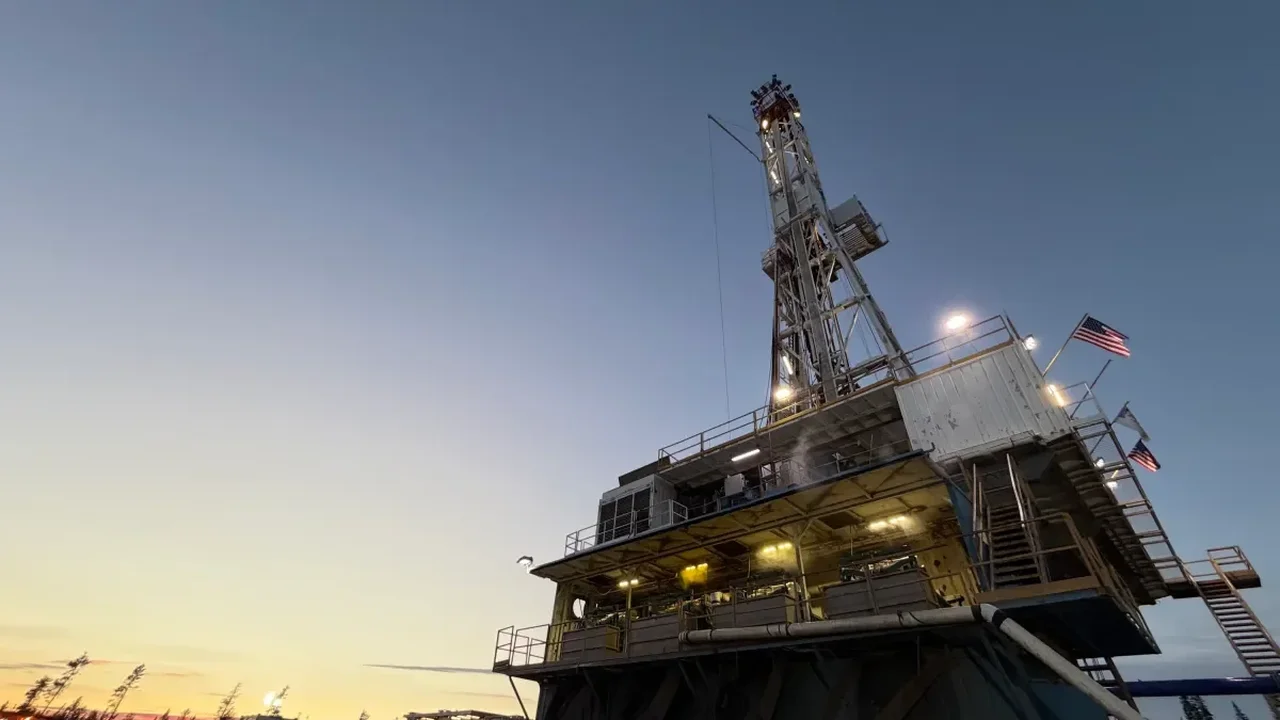
Super-hot rock geothermal is gaining momentum as energy companies explore ways to generate more electricity from deep beneath the Earth. The approach could eventually provide steady power for energy-intensive data centers and other growing electricity users.
At extreme depths, heat and pressure can turn water into a supercritical fluid, which can carry substantial energy to the surface. A single well could produce 15 megawatts of electricity or more, according to estimates for the technology.
Quaise Energy has announced Google as a customer for a planned project in central Oregon. Google is set to pay more than $500 million for 50 megawatts of power from a facility designed to reach intensely hot rock about three miles underground.
New approaches to drilling
Reaching these temperatures presents a major engineering challenge: conventional drill bits can wear down quickly. Quaise plans to use millimeter-wave energy, generated by a gyrotron, to break apart rock at depth rather than relying entirely on a standard drill bit.
Mazama Energy is pursuing another solution. Its Carbon Chill system uses carbon dioxide to cool drill heads. Under deep, hot conditions, the gas becomes supercritical; as it expands through a nozzle-like valve, it cools and can absorb heat. The circulating gas also carries rock fragments back to the surface for removal and reuse.
The two companies aim to reach hotter and deeper rock, potentially producing more power from each well and reducing the number of wells a project needs. The U.S. Department of Energy has also awarded XGS Energy funding to advance materials, well designs and models for reliable operation at extreme depths.
These projects remain at an early stage, and their commercial performance is not yet established. Still, customer commitments and advances in drilling point to growing interest in geothermal energy as a dependable, around-the-clock power source. If the techniques scale, they could broaden the options available to meet future electricity demand.