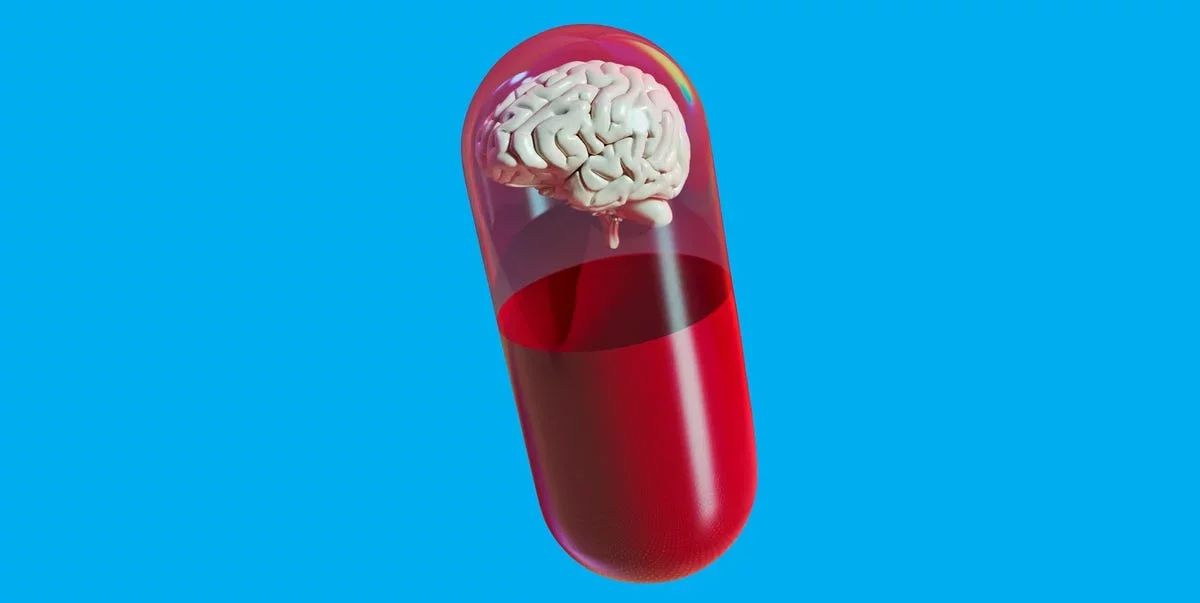
A groundbreaking study led by Dr. Onder Albayram, a neuroscientist at MUSC and member of the National Trauma Society Committee, has shed light on the complex relationship between fish oil and brain recovery. The research team investigated the biological mechanisms involved in the brain's repair processes following injury.
Growing Interest in Omega-3 Supplements
Omega-3 fatty acids, prominently found in fish oil, have seen a surge in popularity. According to Fortune Business Insights, these supplements are now available in various forms, including capsules, beverages, and snack items. Dr. Albayram notes the widespread consumption of fish oil supplements, often without a comprehensive understanding of their long-term implications.
"In neuroscience, we still lack clarity on whether the brain can effectively resist or adapt to these supplements," he stated, emphasizing the novelty of their study.
Collaborating with Dr. Eda Karakaya, Dr. Adviye Ergul, and other researchers, including Dr. Semir Beyaz from the Cold Spring Harbor Laboratory Cancer Center, the team made significant strides in understanding this issue.
Identifying Vulnerabilities in Brain Recovery
The researchers discovered a context-dependent metabolic vulnerability, indicating that energy utilization changes in cells might hinder the brain's recovery under specific conditions. This vulnerability was linked to eicosapentaenoic acid (EPA), a primary omega-3 fatty acid in fish oil. Their experimental models revealed that elevated EPA levels in the brain correlated with diminished repair capabilities post-injury.
Notably, not all omega-3 fatty acids function similarly. While docosahexaenoic acid (DHA) is known for its positive effects on brain health, EPA behaves differently and its impact can vary based on duration and biological context.
Linking Diet to Brain Function and Recovery
The study further explored the interplay between diet, brain biology, and healing. Using mouse models, the researchers examined how long-term fish oil consumption affected responses to mild head injuries, particularly focusing on blood vessel stability and repair signals.
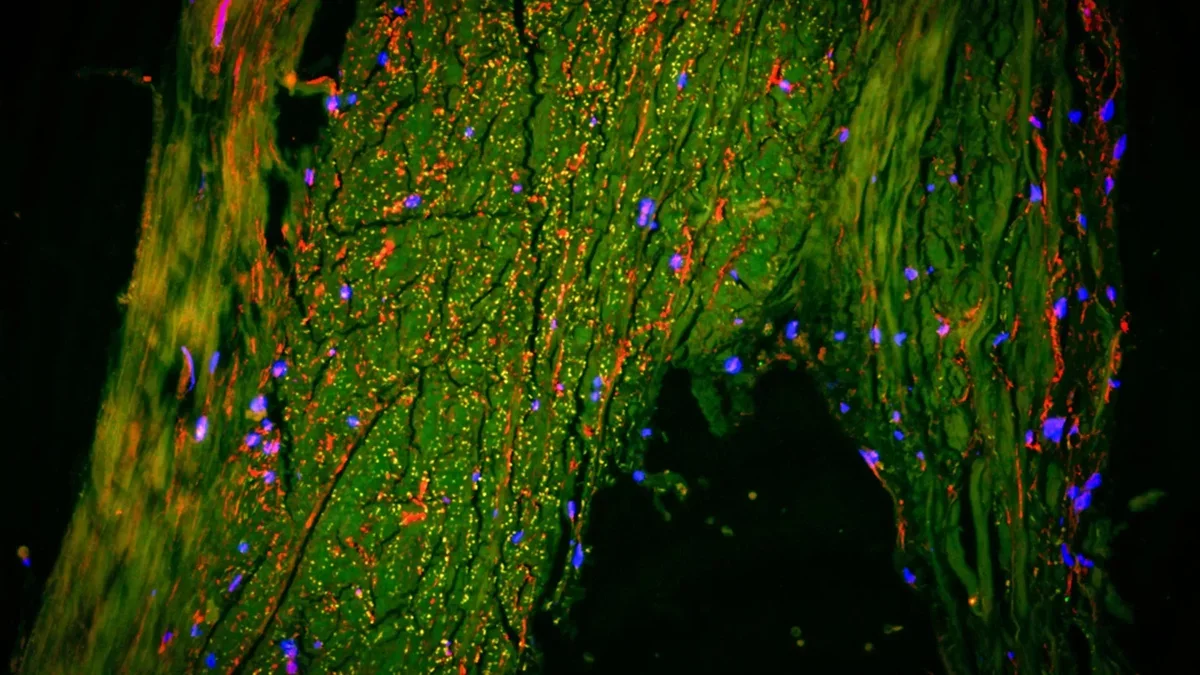
Human brain microvascular endothelial cells were also analyzed, revealing that EPA, unlike DHA, was associated with reduced repair capacity, corroborating findings from animal studies. The team even investigated postmortem brain tissue from individuals with chronic traumatic encephalopathy (CTE) to understand real-world implications.
Key Findings and Future Implications
The study highlighted several critical patterns, including:
- EPA-driven neurovascular instability can lead to cognitive decline following traumatic brain injury (TBI).
- EPA alters cortical gene responses and inhibits angiogenic signaling post-TBI.
- Under favorable metabolic conditions, EPA can impair blood vessel formation and stability.
- CTE cases show signs of disrupted fatty acid balance and metabolic changes related to EPA vulnerability.
Dr. Albayram clarified that these findings should not be interpreted as a universal condemnation of fish oil. "The effects of these supplements are context-dependent, and we must consider individual biological responses over time," he remarked.
The researchers aim to foster a more nuanced understanding of omega-3 supplementation in both clinical and general populations, advocating for further exploration into the mechanisms of fatty acid movement within the body.
Looking Ahead
As Dr. Albayram noted, this research represents a pivotal starting point, paving the way for future discussions on precision nutrition in neuroscience and enhancing our understanding of dietary influences on brain health.