Across major US dining cities, a new restaurant model is gaining momentum: keeping culinary quality high while making the experience more approachable, flexible and suited to regular visits.
From occasion dining to everyday luxury
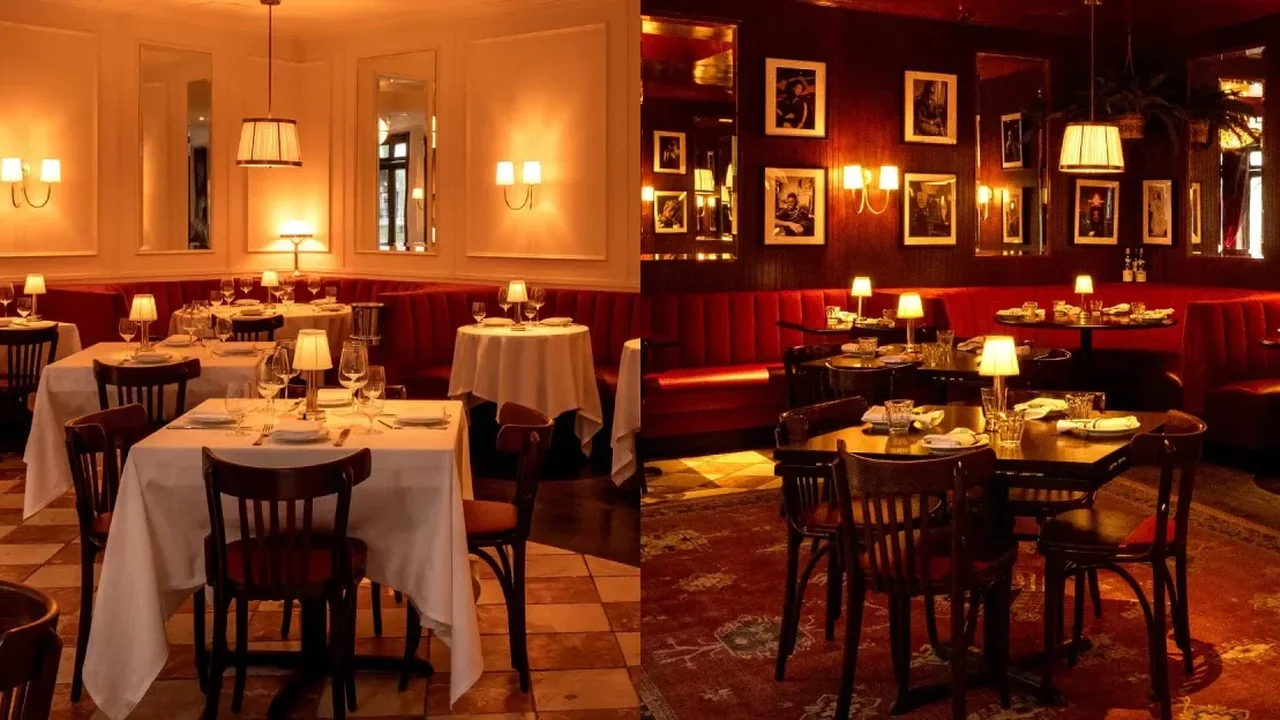
In New York, Floradora has reimagined the former Chateau Royale space with a menu built around familiar favorites, including mozzarella sticks, garlic bread, vodka pasta and steak frites. The concept retains polished touches such as tableside martinis, while shifting its focus toward comfort, generosity and more attainable pricing.
The same ownership team has also introduced Capitaine in place of the French bistro Libertine. With more dishes below $30 and a snack-friendly menu, the restaurant is designed to become a more natural part of neighborhood dining routines.
Value becomes part of hospitality
Los Angeles operators are exploring similar formats. Firstborn moved from an à la carte structure to a four-course prix fixe menu priced at $68 per guest. The format offers diners greater clarity while enabling the kitchen to work with a more focused selection of ingredients and preparations.
Elsewhere in the city, 88 Club evolved into Tiger Tiger, where a menu of recognizable Chinese dishes is paired with lower price points and more generous portions. The shift reflects growing interest in meals that combine craft, familiarity and the possibility of returning often.
New service models, same culinary ambition
Washington, D.C.'s Rye Bunny demonstrates another route toward modern accessibility. Operating with counter service, the restaurant maintains a thoughtful menu of pasta, seafood and seasonal specials while giving guests more control over their spending. The approach also supports a leaner operational structure and preserves staff benefits.
These changes suggest that restaurant luxury is being redefined. Rather than relying only on rare ingredients, elaborate rooms or milestone-night pricing, many operators are prioritizing consistency, clear value and a welcoming atmosphere. Everyday luxury is becoming less about exclusivity and more about making well-crafted food part of city life.
This evolution could shape a future in which ambitious restaurants grow through repeat visits, creating dining scenes that are both creatively vibrant and more connected to their communities.