HOUSTON -- The rise of artificial intelligence (AI) in the art world has sparked significant debate about its ethical implications. Artists are increasingly concerned that AI could undermine their creativity and livelihoods, raising the question: Can AI coexist ethically with artistic expression?
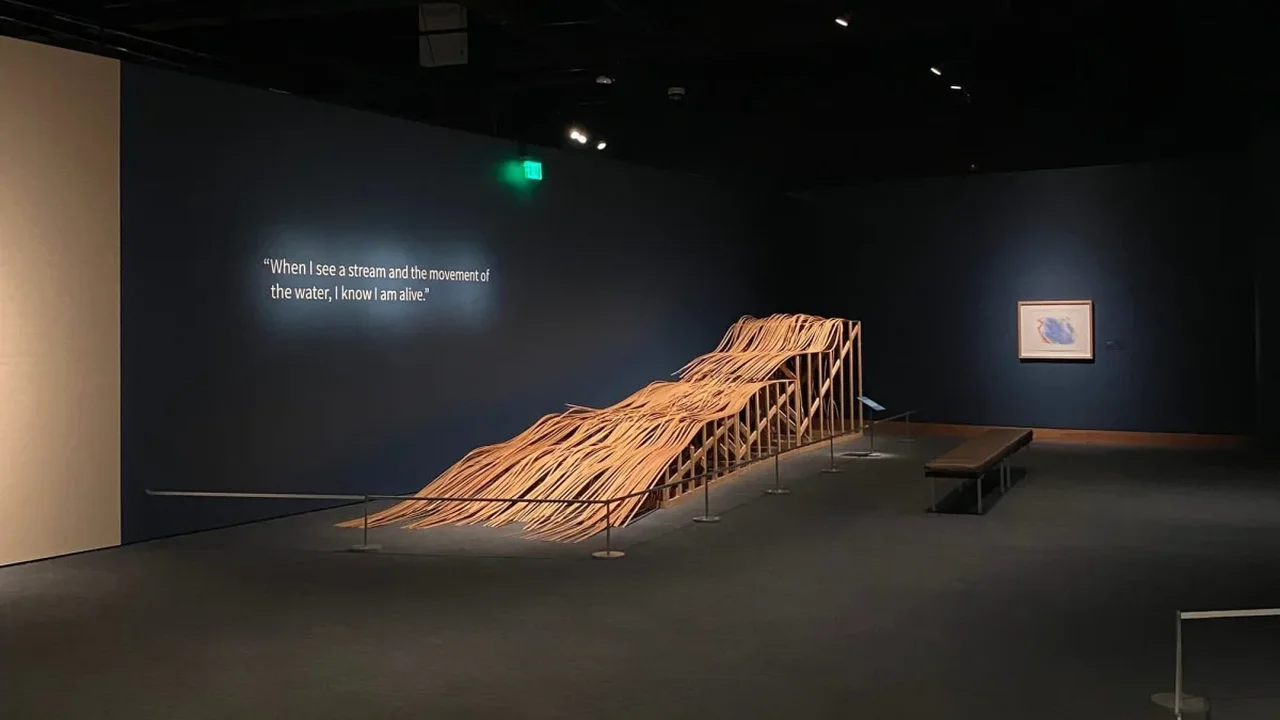
A recent visit to the Imaging after Photography exhibition at Rice University in Houston provided a refreshing perspective. Co-curated by Alison Weaver, the executive director of the Moody Center for the Arts, the exhibition showcases how seven contemporary artists navigate AI's impact on photography. Weaver emphasized that technology is shaped by human biases, and it is crucial to include artists' voices in discussions about AI's role in art.
The exhibition is not merely a showcase of AI art; it represents a pivotal moment in artistic evolution, arguing that we are transitioning into a post-photographic era. Here, the distinction between photo-realistic images and reality itself is increasingly blurred. The participating artists utilize AI responsibly, training their algorithms on personal images or publicly available works, thus setting a standard for ethical practices in the digital age.
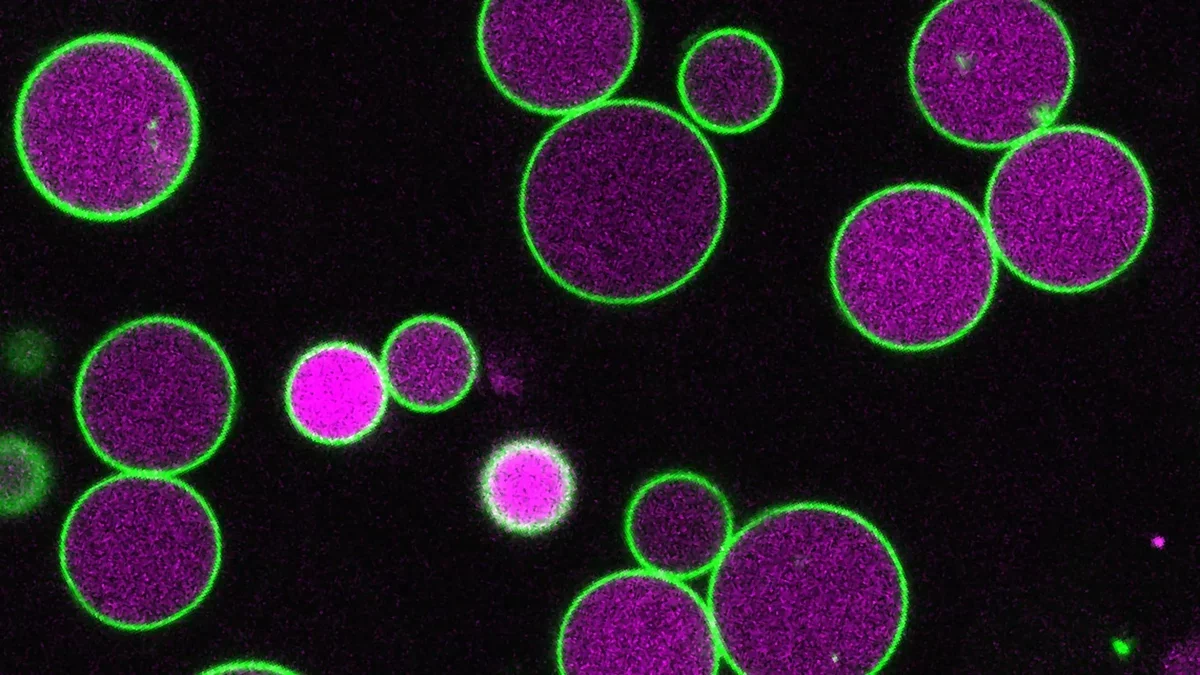
Among the standout pieces are those by lesser-known artists, particularly in a darkened gallery designed to evoke a sense of wonder. Argentine artist Sofia Crespo employs AI alongside traditional cyanotype techniques to explore the development of single- and multi-cellular organisms, creating stunning visual representations that merge science and art.
Joan Fontcuberta's What Darwin Missed series utilizes AI to generate images of imaginary species based on photographs of corals taken in the Galapagos Islands, prompting viewers to question the nature of reality in art. Meanwhile, Nouf Aljowaysir's work critiques the historical portrayal of West Asia, using AI to reveal biases in how algorithms interpret cultural subjects.
This exhibition reflects a broader artistic trend that looks back at the mid-19th century, a time when the world was being mapped and cataloged. As we confront the challenges of climate change and digital surveillance today, artists are using AI to reconnect with the lost wonders of our world, evoking a longing for the unknown.
In conclusion, the integration of AI in art presents exciting possibilities for innovation while also raising essential ethical considerations. As artists continue to engage with these technologies thoughtfully, we may witness a transformative impact on the future of creativity, where AI serves as a partner rather than a competitor.