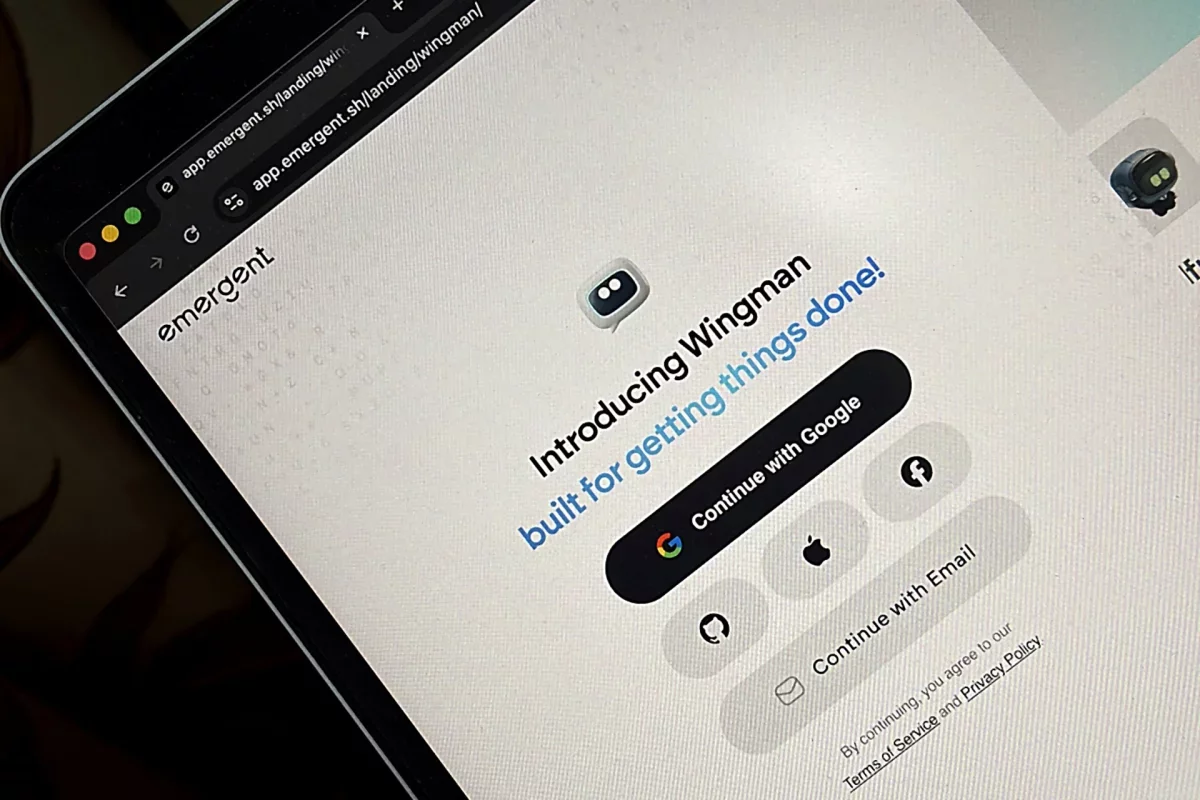
Emergent, a burgeoning startup from India, has unveiled "Wingman," an innovative AI agent designed to operate within messaging platforms such as WhatsApp and Telegram. This launch marks Emergent's strategic expansion into the realm of autonomous software, a sector gaining momentum with tools inspired by OpenClaw and Claude from Anthropic.
Initially recognized for its unique "vibe-coding" platform, which empowers users without programming skills to create full-stack applications through natural language, Emergent is now venturing into the execution phase. With Wingman, the goal is to enable AI agents to manage routine tasks across various digital workflows effectively.
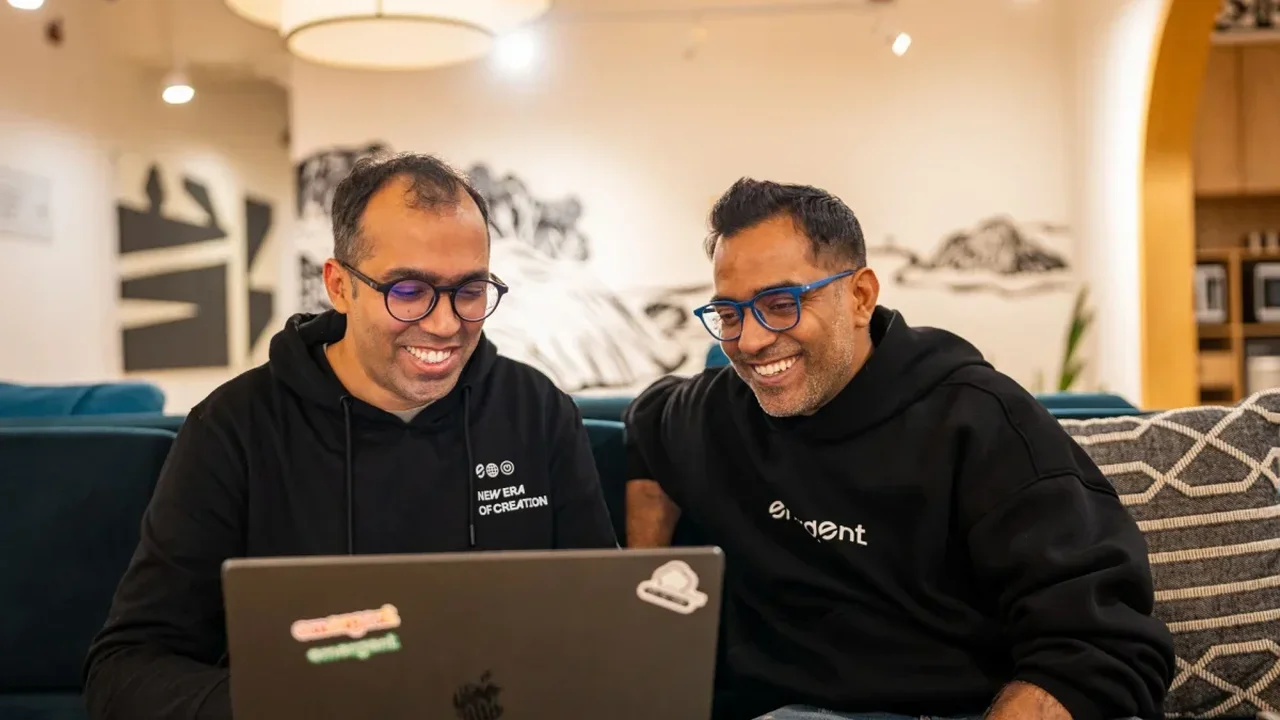
Mukund Jha, co-founder and CEO of Emergent, expressed the company's vision: "The obvious next step for us was, can we help them not just build the software, but actually operate more autonomously through it? You move from software that supports the business to software that can actively help run it."
Since its inception in 2025, Emergent has attracted over eight million users to its vibe-coding platform, with 1.5 million active users each month. The startup recently secured $70 million in funding, achieving a valuation of $300 million with support from notable investors like SoftBank and Khosla Ventures.
Wingman operates by allowing users to assign and track tasks through chat, while simultaneously executing actions across interconnected tools like email and calendars. This AI agent autonomously performs routine functions but seeks user consent for more significant decisions, addressing the need for user oversight in automated processes.
The emergence of autonomous AI agents is becoming a competitive battleground in the tech industry, with numerous companies racing to develop solutions that can alleviate users of repetitive tasks. Projects like OpenClaw have gained traction, while major players such as Microsoft and Anthropic are also exploring similar avenues.
Emergent differentiates itself by integrating Wingman into existing messaging platforms, enabling users to interact with the agent without the need for a new interface. The introduction of "trust boundaries" allows the agent to perform standard tasks independently while requiring user approval for more impactful actions, thus enhancing user confidence in automated systems.
Jha highlighted the rationale behind developing Wingman within messaging platforms, noting, "A lot of real work already happens through chat, voice, and email -- asking for something, following up, sharing context, making a decision. Increasingly, they'll be the main ways we work with agents too."
While Wingman shows promise, it still encounters challenges, particularly in ambiguous situations that require human judgment. The system may struggle with consistency in complex scenarios, indicating areas for future improvement.
Currently, Wingman is available through a limited free trial, transitioning to a paid model thereafter, with existing Emergent users able to access the agent via their accounts.