As the era of "vibe coding" unfolds, companies are grappling with a surge of AI-generated code, leading to what has been termed "code overload." This phenomenon has raised concerns about the quality and reliability of the code, prompting the need for effective management solutions.
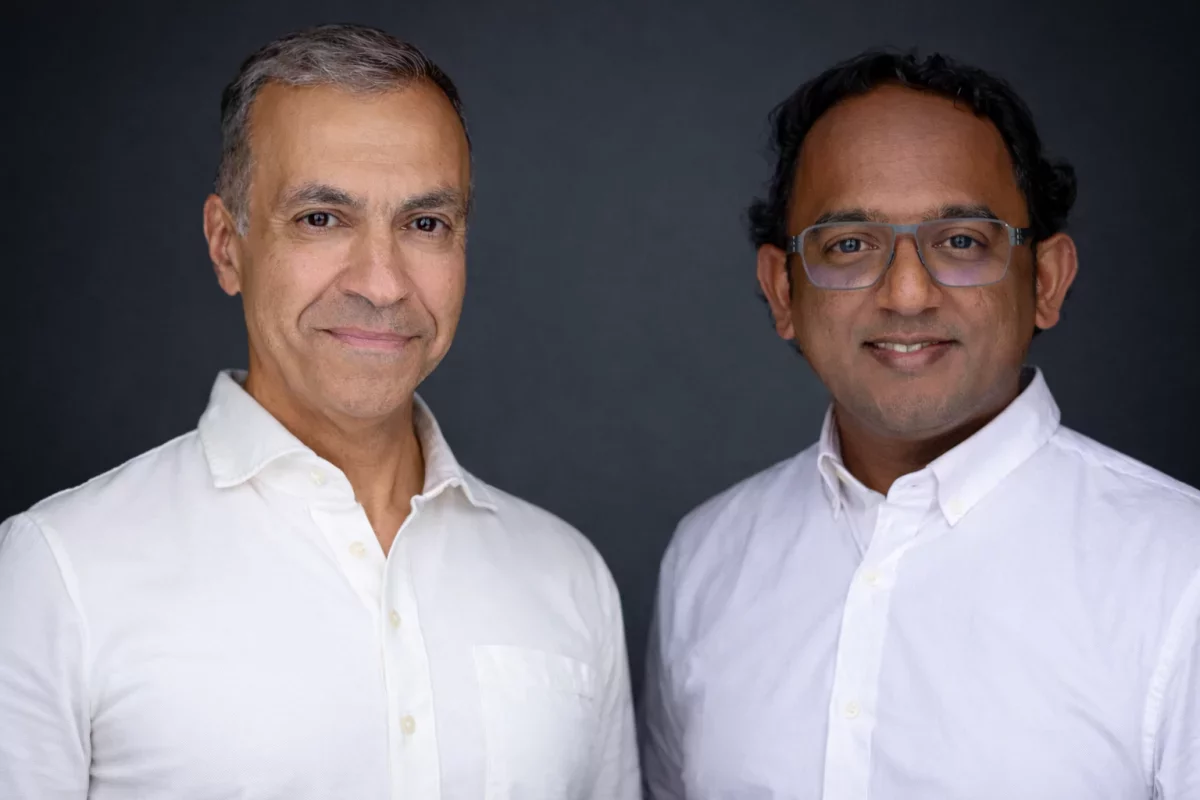
In response to this challenge, Gitar, a startup founded by Ali-Reza Adl-Tabatabai, a former expert at Intel Labs, Google, and Uber, has emerged from stealth mode with a promising funding round of $9 million, spearheaded by Venrock and supported by Sierra Ventures.
Founded two years ago, Gitar offers subscription-based access to its innovative platform that deploys AI agents to enhance various aspects of code quality. These capabilities include conducting code reviews and managing continuous integration workflows--an essential process for maintaining a stable and up-to-date codebase. Additionally, Gitar empowers engineering teams to create custom agents that can perform security and maintenance tasks autonomously.
According to Adl-Tabatabai, the CEO, the influx of AI-generated code necessitates more rigorous reviews, additional testing, and troubleshooting of continuous integration failures. Gitar's focus is on "code validation," ensuring that the software being developed is ready for deployment. "While generation produces code, validation ensures its trustworthiness. Gitar orchestrates the entire workflow, managing reviews, tests, and diagnostics seamlessly," he explained.
Looking ahead, Adl-Tabatabai envisions a future where automation plays a pivotal role in software development. He notes that currently, human oversight is crucial before code is released into production, but he believes that the reliance on Gitar's platform will grow, enabling faster shipping of code with minimal human intervention. "We have a validation agent designed to guarantee that your code is safe for deployment, involving human checks only in exceptional cases," he asserted.
While the automated code-review landscape is becoming increasingly crowded, Gitar aims to carve out its niche by focusing specifically on the post-writing phase of code development. "Many competitors have concentrated on code generation; we have chosen to address what happens after the code is created," Adl-Tabatabai remarked.
The new funding will facilitate the expansion of Gitar's engineering and product teams, as the San Mateo-based company intensifies efforts to scale its services effectively.