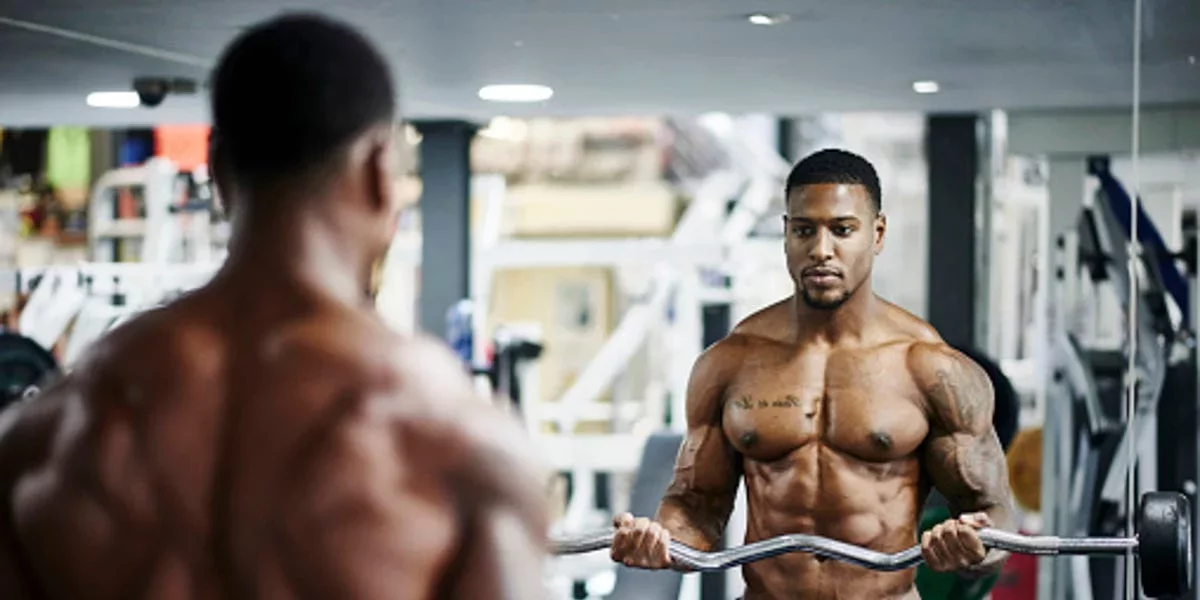
IN THE FITNESS WORLD, a notable shift is taking place as bodybuilders and trainers are recognizing the importance of what are often called "mirror muscles." Chris Bumstead, a renowned bodybuilder, recently shared his journey of relearning how to move effectively after focusing heavily on hypertrophy training. Meanwhile, trainers Jason and Lauren Pak emphasize that prioritizing aesthetics can lead to significant gaps in overall fitness, advocating for a balance where function is prioritized over mere appearance.
There is a common misconception that training for aesthetics, such as building bigger arms or sculpting abs, detracts from overall athletic performance. However, experts argue that developing these "mirror muscles" can actually enhance functional strength and longevity. Don Saladino, a trainer for various actors, asserts that there are undeniable benefits to training for aesthetics, as muscle health correlates with longevity. "Muscle is the organ of longevity," he states, highlighting its essential role in maintaining a healthy body over time.
Function Meets Aesthetics
Even if your primary focus is on aesthetics, following foundational strength training principles--like progressive overload--can lead to improvements in functional fitness. The muscles that are often targeted for their visual appeal contribute significantly to overall movement and functionality. Building strong biceps and forearms, for instance, enhances grip strength, which is a key indicator of longevity.
Moreover, the popular "V-taper" look, often associated with superheroes, is achieved through developing back muscles that protect the shoulders from injury. This connection between aesthetics and functionality is crucial, especially for those new to fitness. As Dr. Pat Davidson points out, a well-rounded training regimen incorporates both front and back muscles to effectively counteract the effects of gravity.
Despite the criticism aimed at those focused on mirror muscles, trainers like Andy Speer emphasize that there is nothing wrong with wanting to improve specific body parts. The key is to ensure a balanced approach that includes comprehensive workouts for overall health. Ultimately, the motivation to train--whether aesthetic or functional--drives movement, which is the greatest victory in fitness.
In conclusion, as individuals like Peter Elias demonstrate, the desire to see physical improvements can coexist with goals of mobility and athletic performance. This dual motivation can lead to a healthier lifestyle and a more fulfilling fitness journey.
Effective Exercises for Mirror Muscles
THE GOOD NEWS is that training for aesthetics can intersect with functional fitness more than many realize. Here are three effective exercises that target mirror muscles while enhancing overall strength:
1. Half-Kneeling Shoulder Press
This exercise not only builds shoulders and triceps but also engages the core for stability. Aim for 3 sets of 8 reps per side.
2. Kettlebell Swing
An explosive movement that targets the glutes while challenging the core and improving aerobic capacity. Incorporate 4 to 5 minutes of swings into your routine.
3. Chin-Up
Chin-ups are excellent for developing strong lats and improve overall upper body strength. Aim for 3 sets of as many good-form reps as possible.
These exercises illustrate that the pursuit of mirror muscles can indeed support a broader fitness journey, paving the way for a healthier future.