What people consider delicious is shaped by geography, heritage and generations of culinary creativity. Across the world, ingredients that may seem unfamiliar to newcomers have evolved into meaningful dishes, street-food favorites and ceremonial specialties.
A world of distinctive flavors
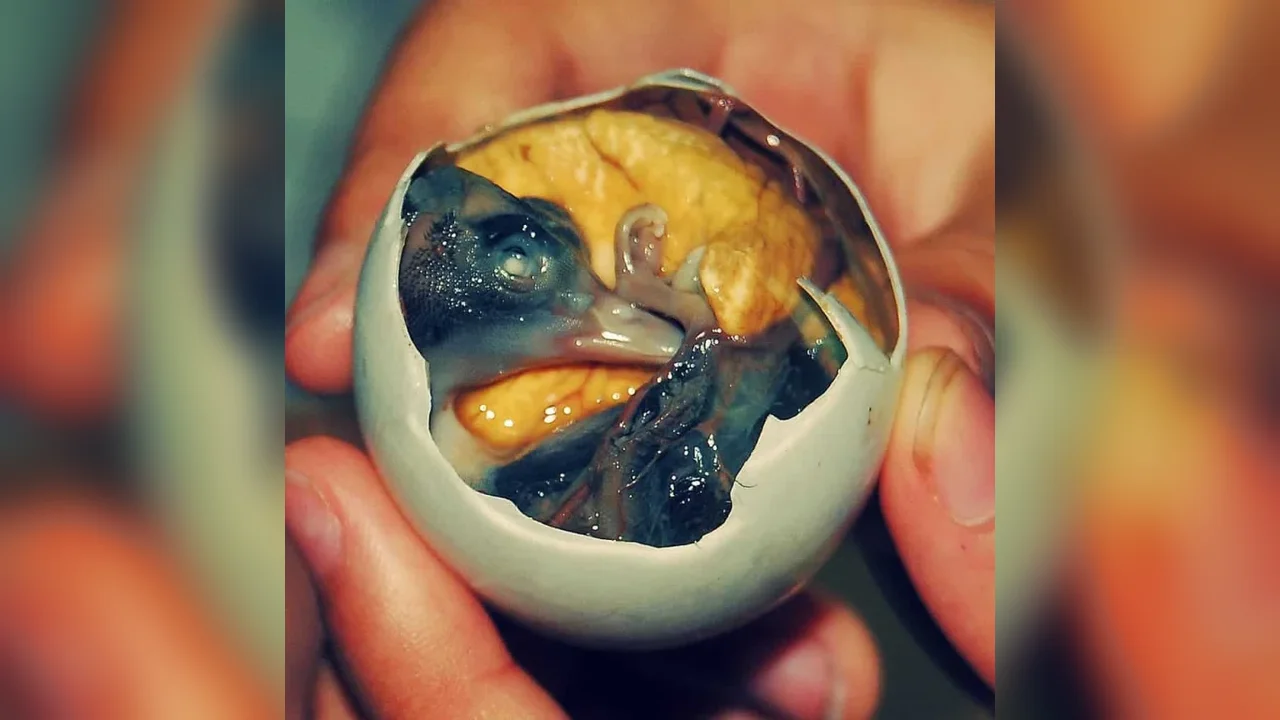
Balut, widely associated with the Philippines, is a fertilized duck egg prepared after a period of incubation and commonly enjoyed with salt, vinegar, garlic or chili. It remains an important example of Southeast Asian street-food culture.
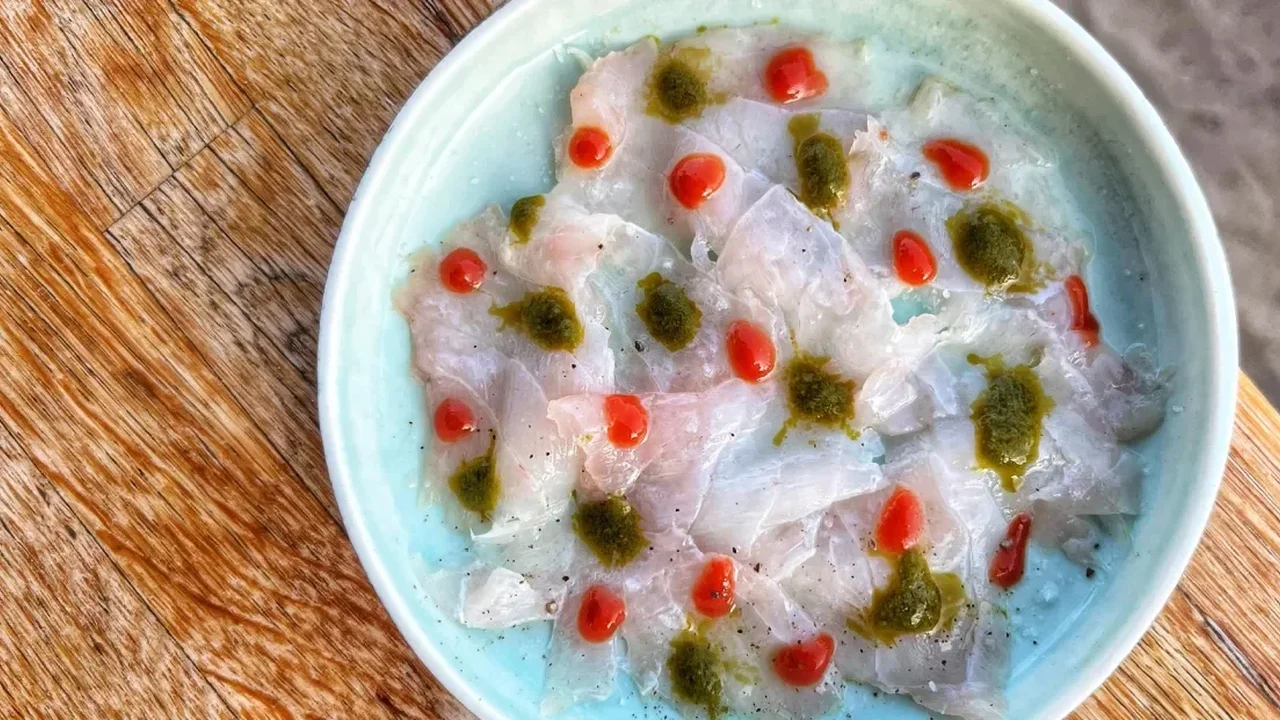
In Japan, shirako refers to fish milt served raw or cooked. Its delicate, creamy texture has made it a seasonal ingredient in traditional cuisine. Related preparations are also found in parts of Europe, where milt can be pickled, fried or used in pasta dishes.
Mexico's celebrated huitlacoche, also called cuitlacoche, is created when corn develops edible fungal growths. Harvested while tender, it has an earthy, mushroom-like flavor and appears in tacos, quesadillas, soups and sauces. It illustrates how agricultural knowledge can transform an unexpected crop condition into a valued ingredient.
The Chinese century egg is a preserved duck, chicken or quail egg cured in an alkaline mixture for several weeks or months. The process creates a translucent, jelly-like white and a richly flavored yolk, often served with congee, tofu or chilled appetizers.
On Sardinia, casu marzu represents a highly distinctive regional cheese tradition. Made from sheep's milk cheese, it is known for its unusually soft texture and long-standing cultural significance within local food heritage.
In Cambodia, fried tarantulas have become a recognizable snack in and around Skuon. Prepared with seasonings such as garlic, salt and sugar, they offer a crunchy exterior and are part of the country's diverse street-food landscape.
Korea's san-nakji is prepared from freshly cut small octopus and typically dressed with sesame oil and seeds. The dish is valued for freshness and texture, reflecting the central role of seafood in Korean cuisine.
For dessert, hasma is used in Chinese sweet soups with ingredients such as rock sugar, lotus seeds, fruit or dates. When rehydrated, it develops a soft, gelatinous consistency and is traditionally associated with celebratory dining.
Food as a cultural language
These dishes reveal that culinary curiosity is not simply about unusual ingredients. It is also about preservation techniques, local ecosystems, family traditions and the ability of communities to create meaning through food. As global dining becomes more connected, diverse culinary practices may inspire more respectful, sustainable and adventurous approaches to the ingredients on our tables.