In the Cyclades, Sifnos has built a distinctive reputation through food shaped by dry landscapes, local fishing traditions and generations of craft. Reached by ferry from Athens via Piraeus, the island offers an inviting route for travelers seeking a slower, flavor-led Greek escape.
Day One: Arrival and Kastro
Begin in Piraeus with a classic bifteki-style pita from Yorgos Souvlaki, served simply with grilled beef, tomato, onion and parsley. After arriving on Sifnos, settle into Kastro, the island's historic former capital. Its walkable lanes make an atmospheric base for an opening dinner at Loggia Wine Bar, where charcoal-roasted potatoes, tarama aioli and seasonal plates pair with Greek wines.
Day Two: Coastal Traditions and Modern Cooking
Start in Kastro with Greek yogurt, fruit and seeds at Diporto Shop, followed by a walk toward the Church of the Seven Martyrs. For lunch, head north to Cheronissos and experience Sifnian cooking at its most direct: revithada, the island's slow-cooked chickpea specialty, alongside simply grilled local seafood.
In the evening, Cantina presents a contemporary take on regional ingredients. Chef Giorgos Samoilis builds dishes around nearby farmers and fishers while applying a zero-waste approach. Seasonal preparations may include charcoal-grilled vegetables, seafood with fig leaf sauces and desserts that creatively reuse day-old bread.
Day Three: Sweets, Ceramics and Seaside Dining
Artemonas is ideal for a morning stop at Theodorou Pastry Shop, known for handmade almond cookies and other traditional sweets. Continue toward Faros for a quiet beach break, then explore local ceramics studios--an essential part of Sifnos's cultural identity.
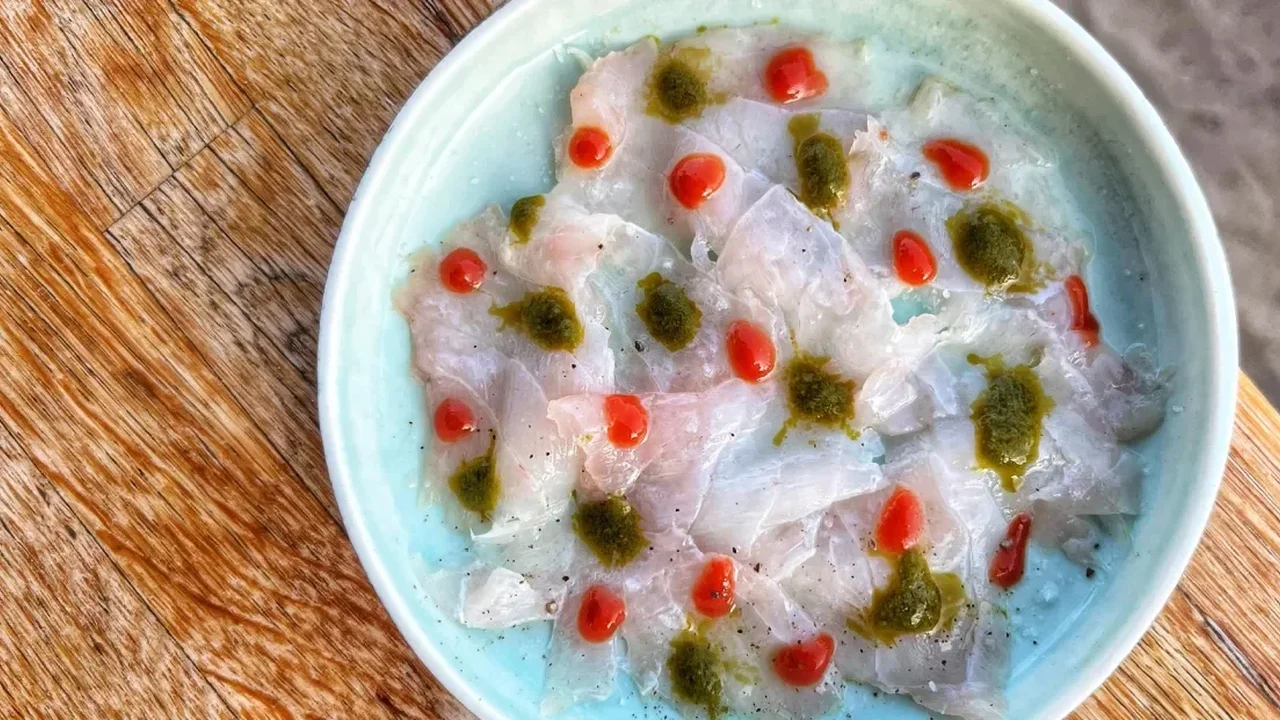
At Pelicanos, seafood and Mediterranean techniques meet in dishes such as crab-and-bottarga pasta or changing seasonal specials. Complete the itinerary in Platis Gialos at Omega3, where local fish is prepared in fresh, minimalist combinations that reflect the island's close relationship with the Aegean.
Sifnos shows how local ingredients, craft and thoughtful hospitality can turn a small island into a global reference point for meaningful food travel. Its model may help shape a future in which visitors choose destinations not only for scenery, but for authentic, community-rooted culinary experiences.