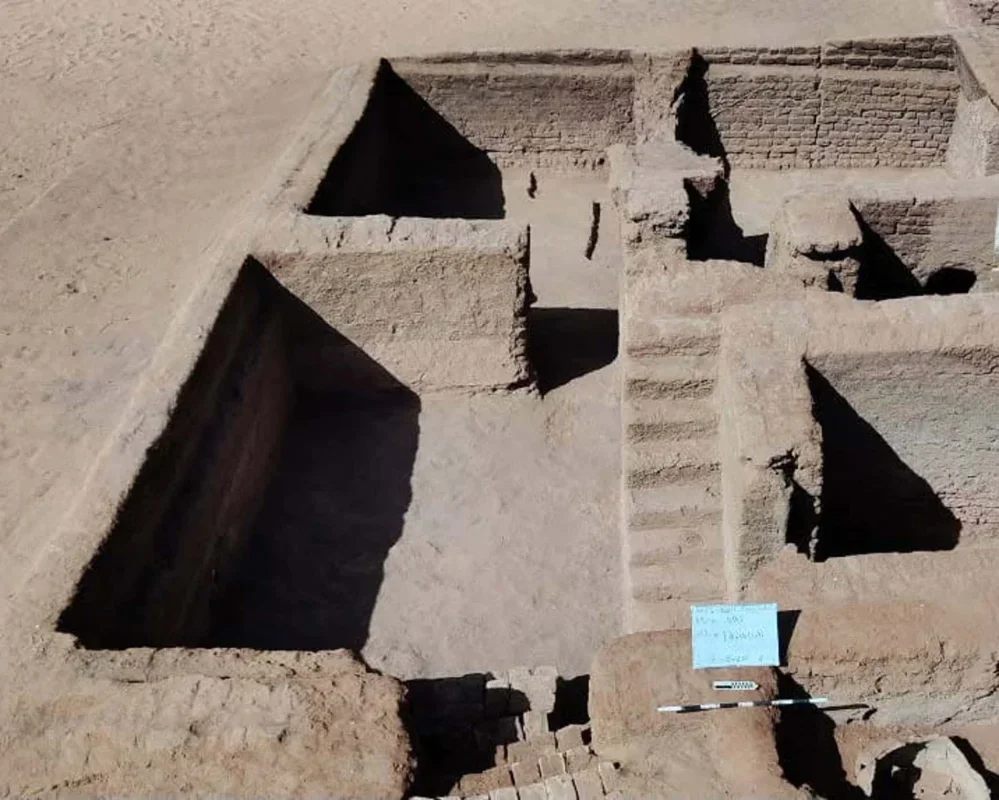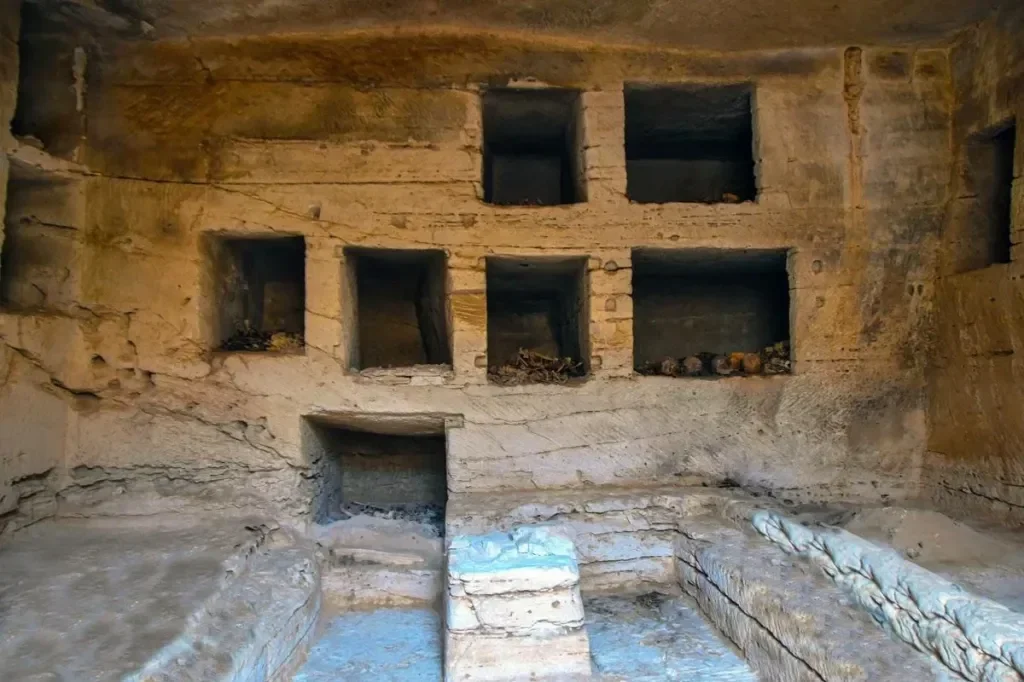
Egyptian archaeologists have revealed a remarkable set of finds at Marina el-Alamein, near Alexandria, including 18 previously unknown tombs from the Ptolemaic and Roman eras, along with a stone sarcophagus and rare burial objects.
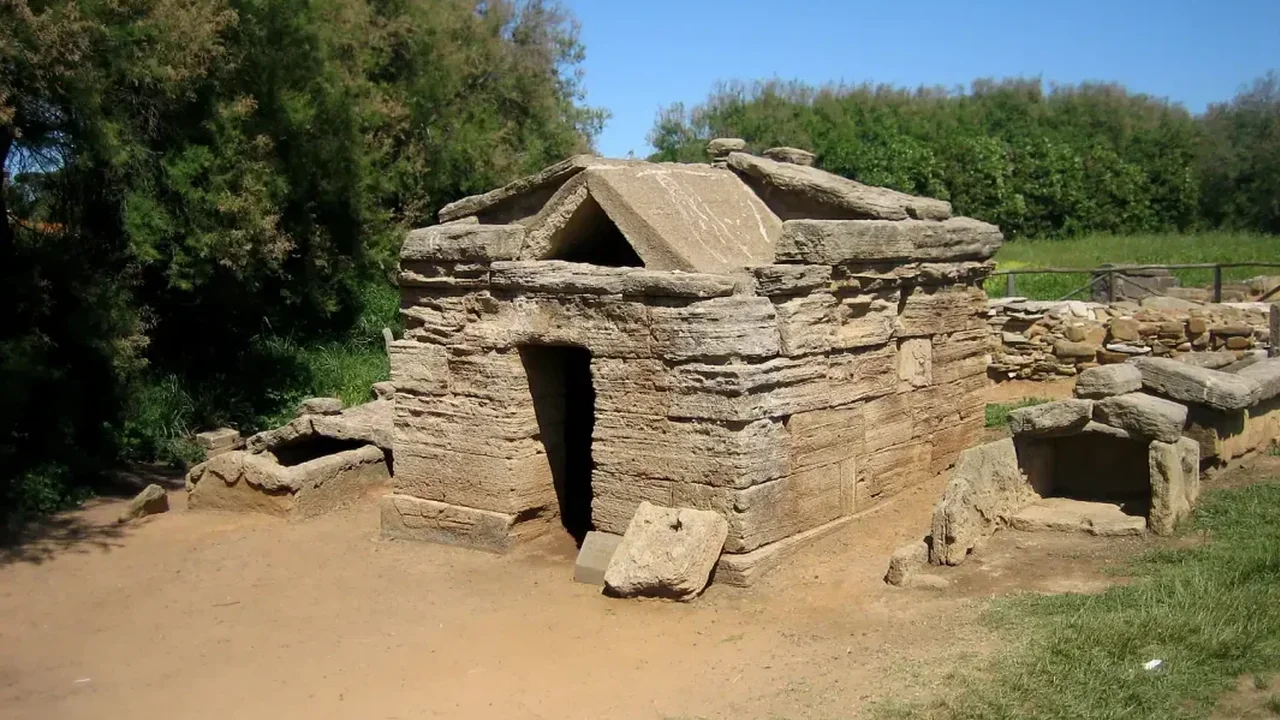
The newly documented tombs include 11 rock-cut chambers reaching depths of up to 26 feet and seven limestone tombs built at ground level. Several burial spaces were still sealed with stone slabs, helping preserve their contents for more than 2,000 years.
Among the standout discoveries was an 8-foot sarcophagus with its original lid intact. Inside, researchers found skeletal remains now under study, while nearby they identified a fragment of a plaster sphinx statue. The team also uncovered 24 gold funerary amulets shaped like tongues, some placed in the mouths of the deceased, a ritual believed to support speech before the gods of the underworld.
Other finds included a gold amulet of the Eye of Horus, a limestone offering altar designed as a "false door," a funerary sculpture of a seated man holding a bird, and well-preserved pottery vessels. Together, these objects highlight the continuity of Egyptian burial traditions during the Greco-Roman period.
Marina el-Alamein, first identified in 1986, is widely linked to the ancient port city of Leukaspis, which flourished between the second and fourth centuries. Today, the site continues to expand historical understanding of Egypt's Mediterranean coast, while future visitor facilities could make the heritage zone more accessible in the years ahead.