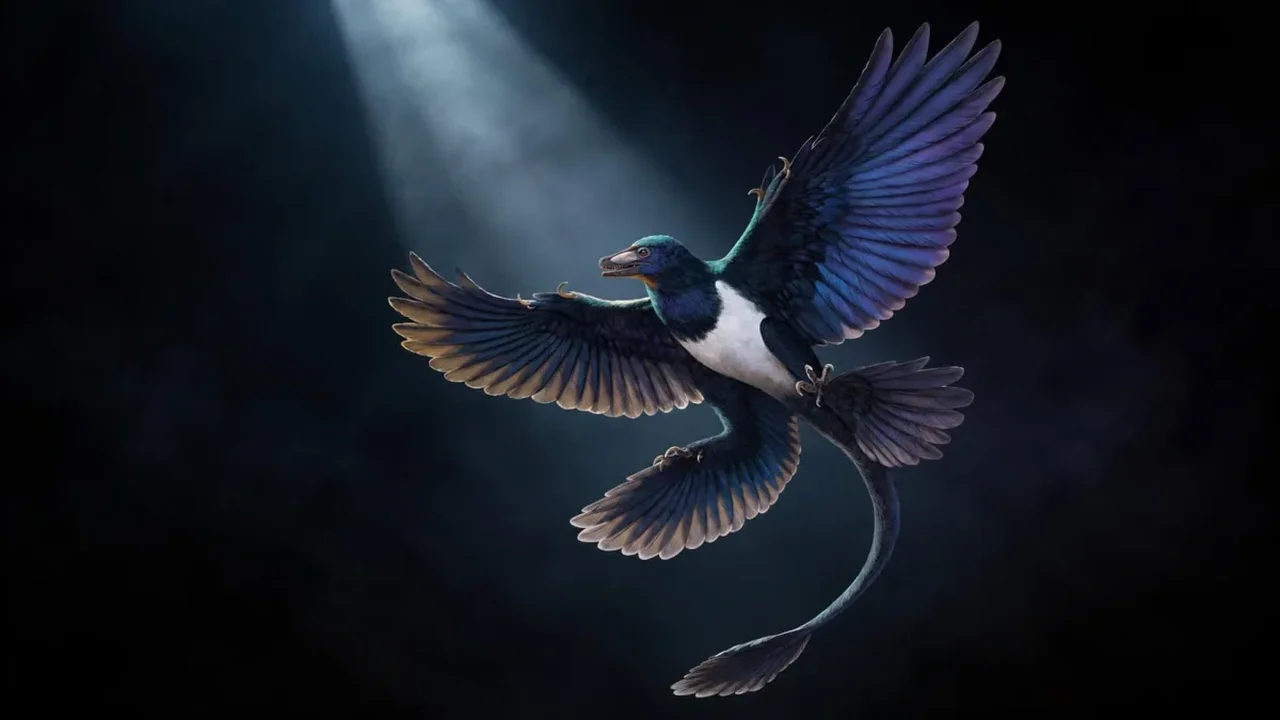
Researchers have unveiled an exciting discovery in South Korea: a new dinosaur species named Doolysaurus huhmini, which pays homage to the beloved Korean character Dooly. Jongyun Jung, a postdoctoral researcher at the University of Texas's Jackson School of Geosciences, led the study, emphasizing the significance of this find for both science and cultural heritage.
A Historic Find
This marks the first new dinosaur species identified in South Korea in 15 years and is notable for being the first fossil to include parts of a dinosaur skull. Initially, only a few leg and spine bones were visible, but a micro-CT scan at the University of Texas High-Resolution X-ray Computed Tomography (UTCT) facility revealed much more hidden within the rock, including crucial skull fragments.
"When we first discovered the specimen, we were thrilled to find leg bones and vertebrae, but uncovering skull parts was beyond our expectations," Jung remarked, reflecting on the excitement of the discovery.
Introducing Doolysaurus huhmini
The species name not only honors the iconic character Dooly but also pays tribute to Min Huh, a prominent Korean paleontologist whose contributions to dinosaur research have been invaluable. The fossil was discovered in 2023 by co-author Hyemin Jo and the findings were published in the journal Fossil Record on March 19.
What Did Doolysaurus Look Like?
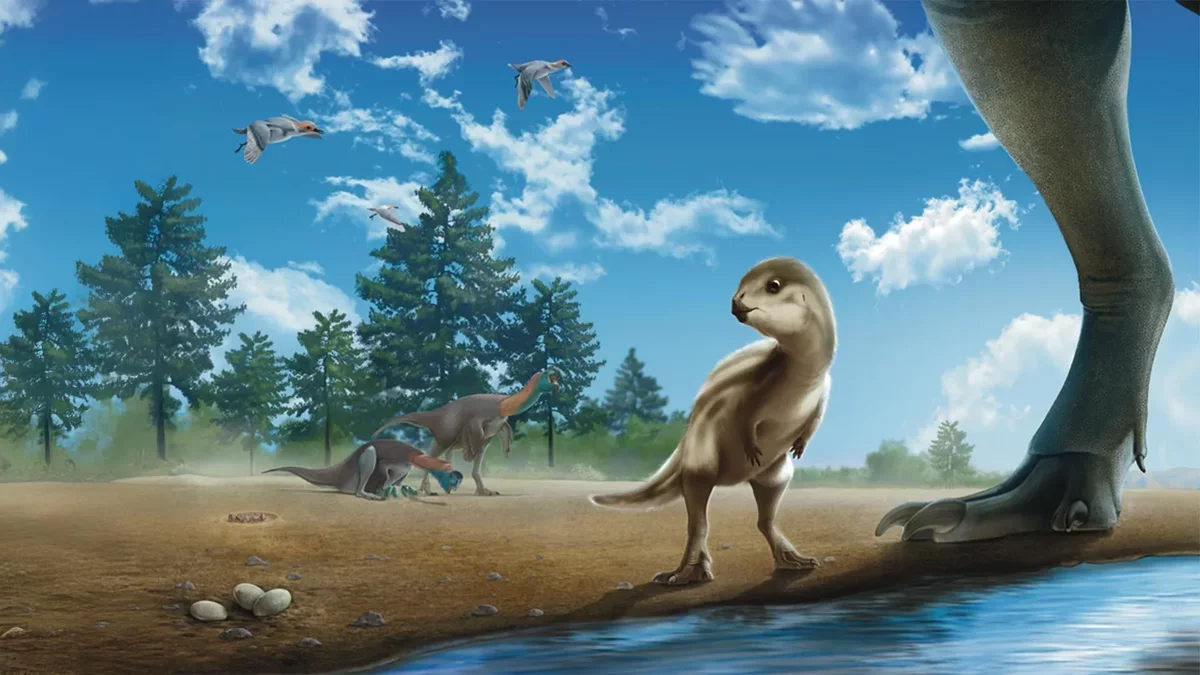
The young dinosaur, estimated to be around two years old at the time of its demise, was approximately the size of a turkey, with adults potentially growing twice as large. Researchers speculate that it may have been adorned with soft, fuzzy filaments, leading study co-author Julia Clarke to suggest it might have resembled a "cute little lamb."
Advanced Scanning Techniques
Due to the fossil's encasement in hard rock, traditional extraction methods could take years. Instead, the team utilized micro-CT scanning, enabling them to visualize the complete skeleton within months. This innovative approach has become essential for studying delicate fossils, particularly those of small dinosaurs and early birds.
Insights into the Cretaceous Period
Doolysaurus thrived during the mid-Cretaceous period, roughly 113 to 94 million years ago. Its classification as a thescelosaurid indicates it was a two-legged dinosaur likely found in East Asia and North America, possibly covered in fuzzy textures.
Additionally, the presence of gastroliths--small stones swallowed to aid digestion--suggests an omnivorous diet consisting of plants, insects, and small animals. This discovery has spurred further investigation into the fossil's preservation, indicating that many more specimens may lie undiscovered within the rock.
Looking Ahead
Jung, along with his collaborators, plans to apply the CT scanning techniques to other fossils in Korea, optimistic about uncovering more hidden treasures. South Korea's rich fossil landscape, known for its dinosaur tracks and nests, may still hold many secrets waiting to be revealed.
As technology continues to advance, the potential for new discoveries in paleontology is vast, promising to enrich our understanding of prehistoric life.