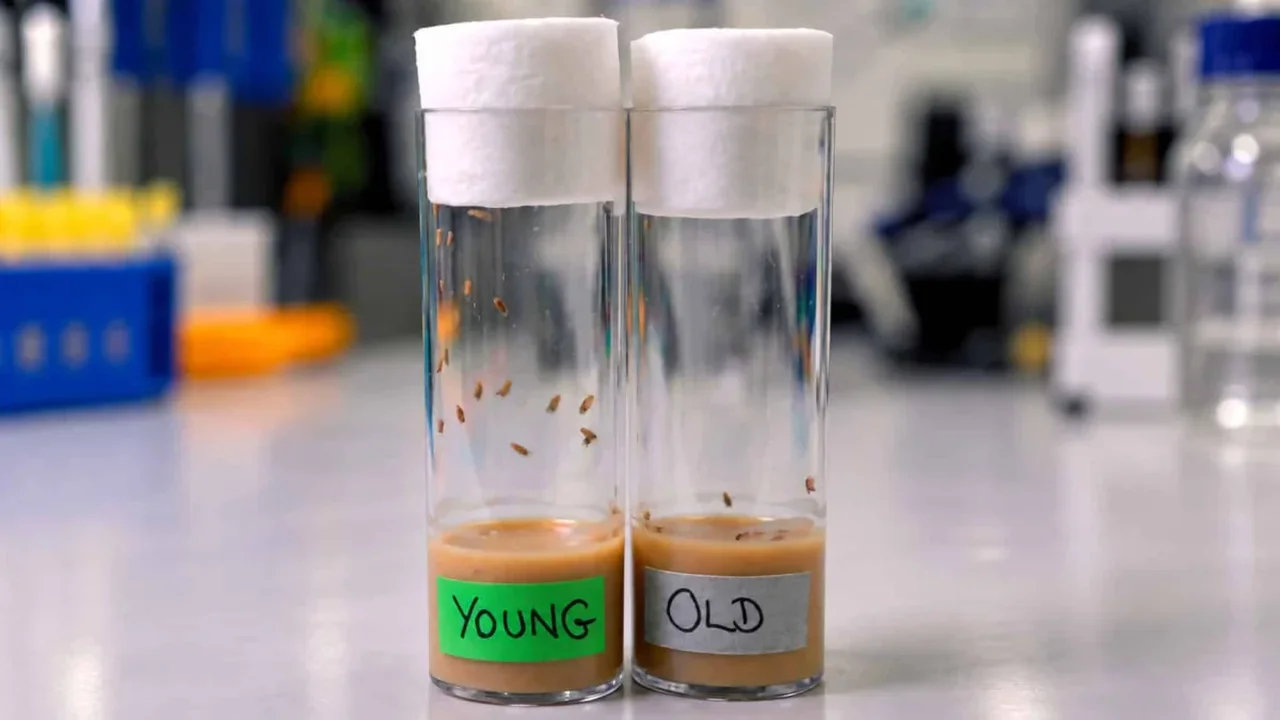
A compound designed to directly activate AMPK, a central cellular energy sensor, has extended lifespan in fission yeast, nematode worms and fruit flies. In some experiments, lifespan gains exceeded 25%, offering a focused new perspective on how cells regulate ageing.
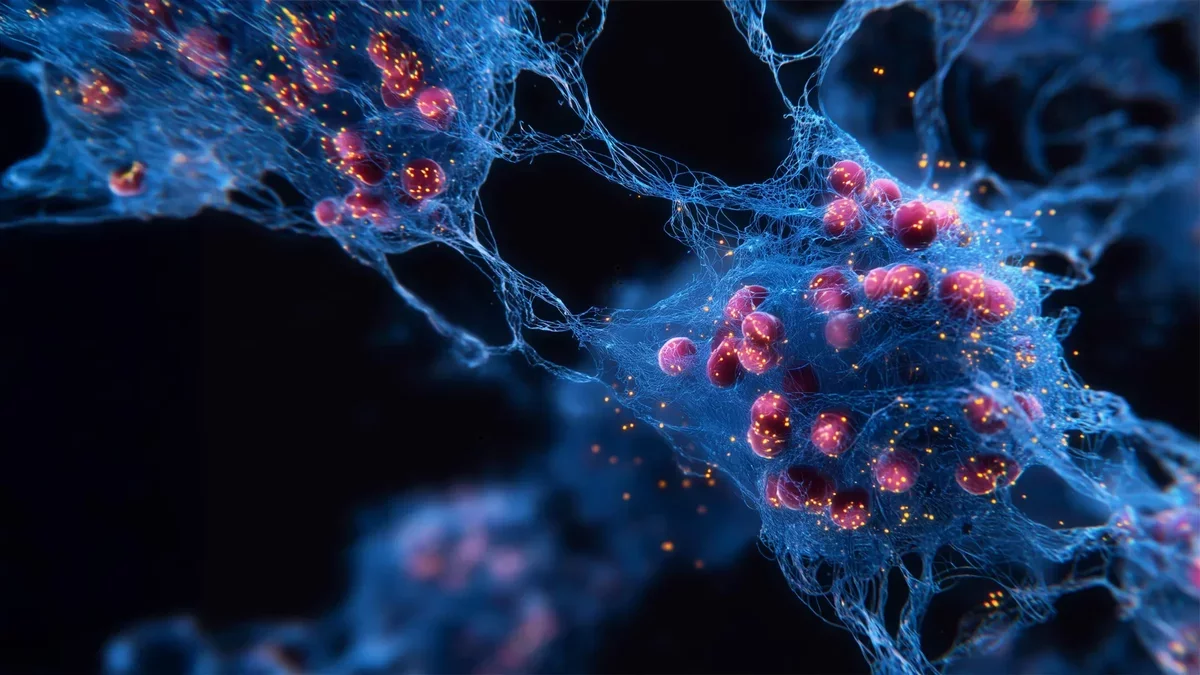
Published in Aging Cell, the study examined compound 991, which switches on AMPK directly. This pathway normally becomes active when cells face limited energy, encouraging them to prioritise maintenance, improve fuel use and reduce energy-intensive processes such as growth and fat storage.
A precise test of a longevity pathway
The longevity effect disappeared in yeast and worms engineered without functional AMPK, indicating that the compound's benefits depended on the intended metabolic pathway. In fruit flies, treatment also reduced body fat without lowering food intake.
AMPK is evolutionarily conserved from yeast to humans and can be stimulated naturally by exercise, fasting and other changes in energy balance. Previous research has associated the pathway with healthy ageing, but many compounds influence several biological systems at once. The direct action of 991 enabled researchers to examine AMPK with greater precision.
The findings also underline the importance of dosage. Higher levels of the compound reduced lifespan in some yeast and fly tests, showing that metabolic pathways require careful calibration rather than maximum activation.
What the findings mean for mammals
Researchers also tested nanoparticle-delivered 991 in mice for three weeks. This part of the work did not assess lifespan, but liver cells showed signs of a more energy-efficient state, including increased mitochondrial activity and lower activity in the mTOR growth pathway.
These early mammalian observations do not demonstrate an anti-ageing effect in mice or people. Further studies will need to establish long-term safety, effective dosing and whether direct AMPK activation can produce durable benefits in mammals.
The research positions cellular energy management as a promising frontier for longevity science, with future work potentially guiding more precise approaches to supporting healthy ageing.