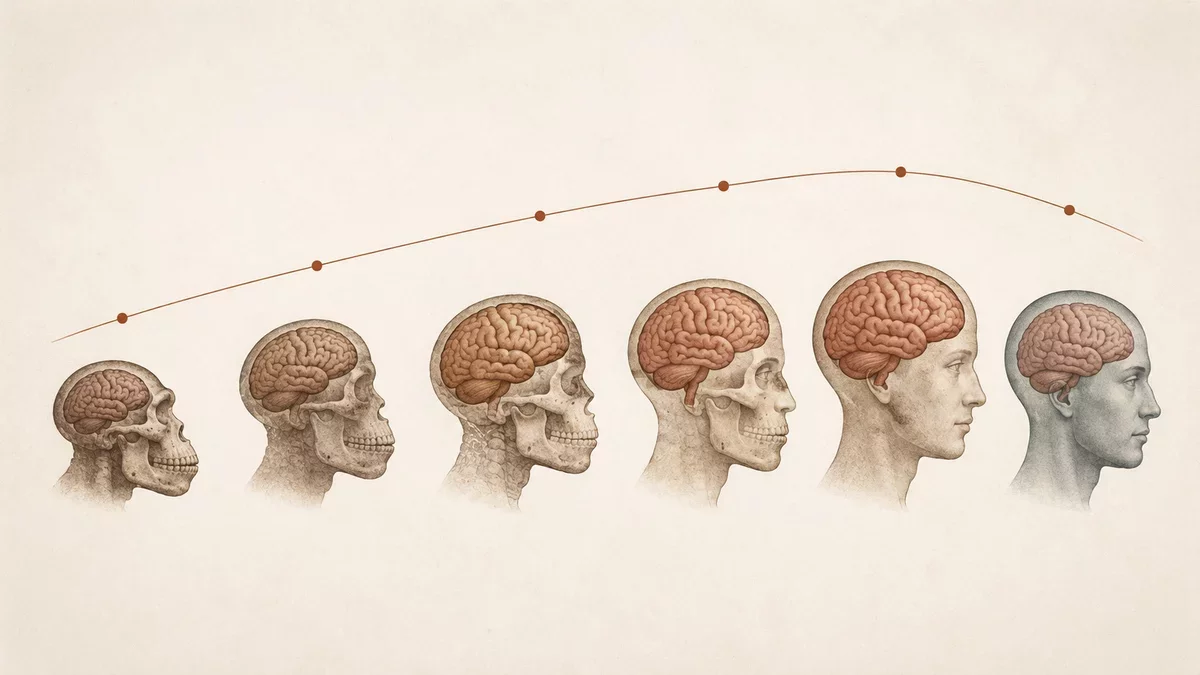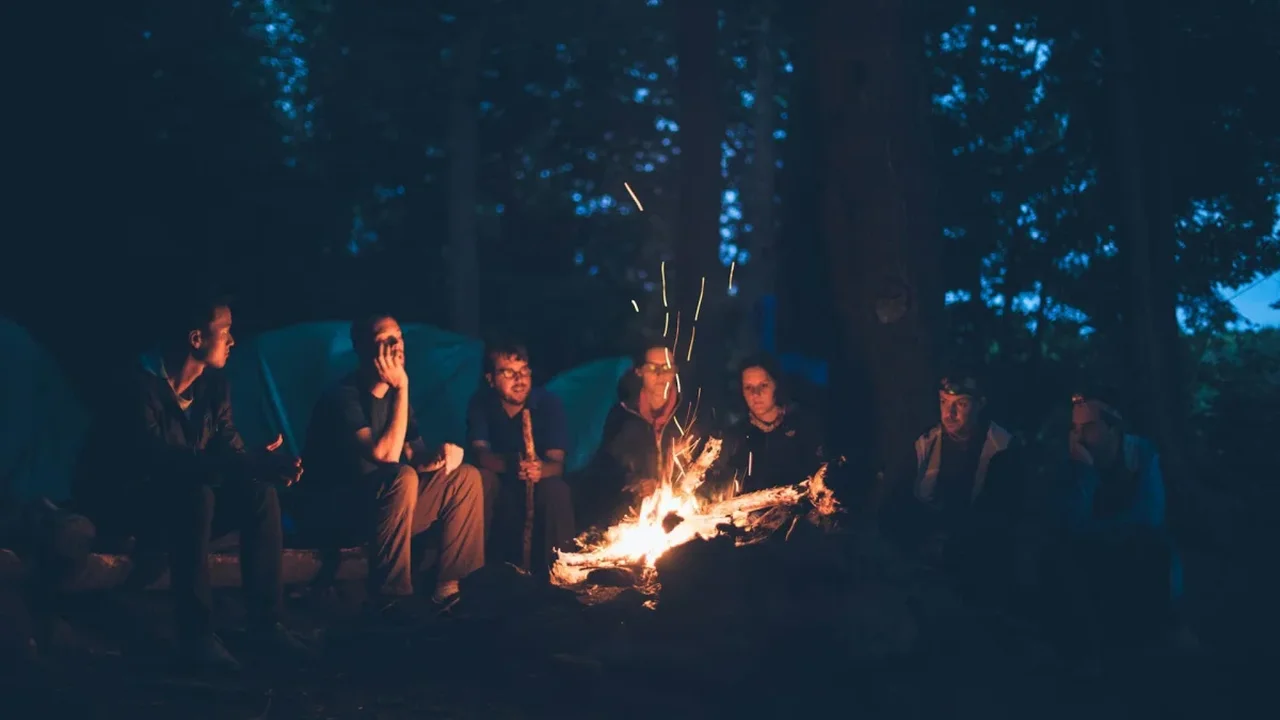
New research suggests that the campfire may have played a surprising role in the evolution of human communication. Rather than serving only as a source of warmth and safety, fire could have created the social setting that encouraged early humans to move from simple gestures to more flexible speech.
A social space after sunset
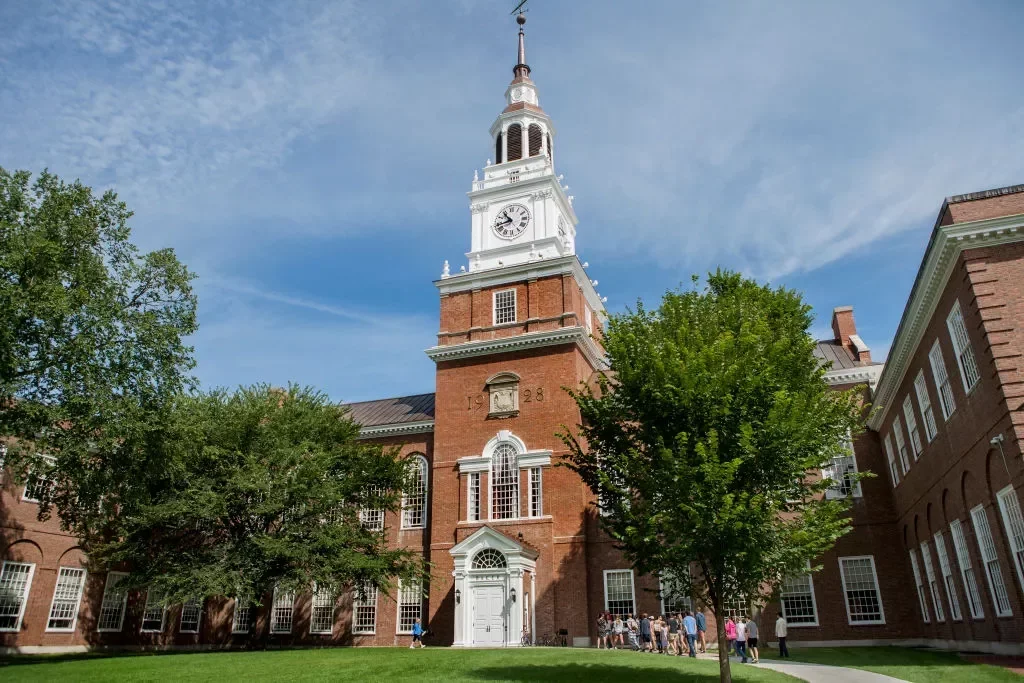
Researchers Catherine Hobaiter of the University of St Andrews and Nathaniel J. Dominy of Dartmouth College explored why language may have become so important in human evolution. Their idea is that once fire extended the day beyond daylight hours, people gathered in shared evening spaces where conversation lasted longer and became more imaginative.
Studies of the Ju/'hoansi in southern Africa, including work by anthropologist Polly Wiessner, show that daytime talk often focuses on immediate tasks, while nighttime gatherings are more likely to include stories, songs, dances, and rituals. In that setting, communication goes beyond the present moment and begins to carry memory, identity, and shared meaning.
Why voice may have gained an advantage
The theory also points to the physical conditions around fire. Flickering light makes gestures harder to read across a group, while speech remains clear whether it is day or night. Over time, that may have given vocal communication an edge, helping language become more structured and expressive.
The researchers also note that firelight can extend social time without the same effect as modern bright lighting, and its rhythm may have supported attention during storytelling. In this view, the fire did not just gather people together; it may have helped shape how they listened, responded, and shared knowledge.
Because language leaves no fossils, the idea remains a hypothesis. Still, evidence of ancient controlled fire use, including findings from Wonderwerk Cave in South Africa, makes the timeline plausible. The study, published in Proceedings of the Royal Society, adds a fresh perspective on one of humanity's biggest questions: how speech began. If future research supports it, the campfire may prove to be one of the quiet engines behind human culture and communication.