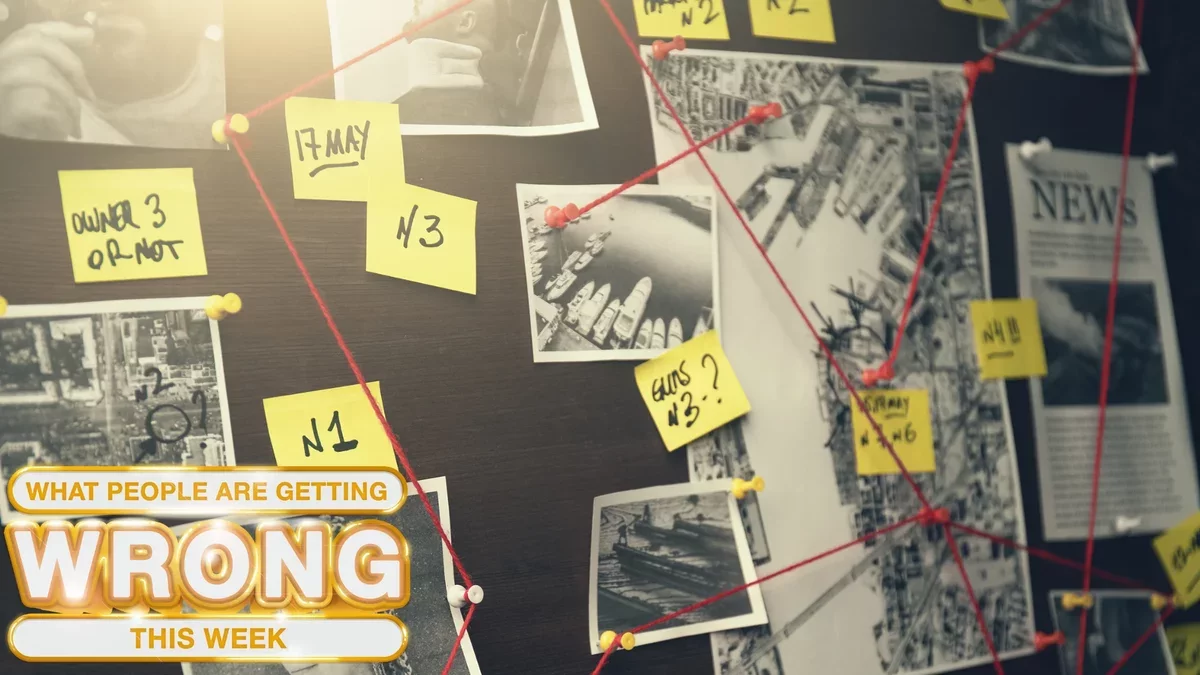
In a narrative resembling a Hollywood thriller, a conspiracy theory has emerged surrounding the alleged disappearances and deaths of several scientists engaged in advanced aerospace and nuclear projects in the United States. Over the past five years, claims have circulated that up to a dozen scientists have mysteriously vanished or died, prompting investigations by the FBI, the Department of Energy, and the Department of Defense.
Some lawmakers, like Congressman Eric Burlison, have suggested that these incidents bear the signs of a foreign operation, while others, such as Rep. Tim Burchett, have hinted at potential cover-ups related to unidentified aerial phenomena (UAP). However, the reality is far less dramatic.
According to experts, this conspiracy theory is a concoction of unrelated events. Science writer Mick West notes that the U.S. is home to approximately two million scientists and over 700,000 individuals holding top-secret clearances in the aerospace and nuclear sectors. The idea that a handful of deaths among this vast population is statistically significant is misleading.
Many individuals cited in the conspiracy do not even possess top-secret clearances, nor are they all scientists. For instance, the list includes a construction foreman and a former custodian, whose deaths have clear, unrelated explanations. Notable cases like physicist Ning Li, who passed away due to Alzheimer's, and Carl Grillmair, a victim of a home invasion, illustrate the lack of mystery surrounding these incidents.
Unraveling the Myth
The claims surrounding these supposed "missing scientists" often stem from apophenia, a tendency to find patterns in random data. Even the most compelling stories, like that of Amy Eskridge--who founded the Institute for Exotic Science and claimed to be researching anti-gravity--are riddled with exaggerations. Despite her tragic death at 34, the narrative that she was murdered for her groundbreaking research lacks substantial evidence.
In fact, Eskridge's academic credentials and her lack of published research raise questions about her classification as a scientist in this context. Her final presentations suggested that she was still in the theoretical stages of her work, not on the brink of a revolutionary discovery.
Addressing the Speculation
While Eskridge's death has drawn attention, it is essential to differentiate between speculation and reality. Reports indicate her death was ruled a suicide, despite conspiracy theorists alleging foul play. The lack of concrete evidence supporting these claims further complicates the narrative.
Family members of the deceased scientists have voiced their frustration over the conspiracy theories, emphasizing the need for respect for their loved ones' legacies. They argue that these speculations detract from the real contributions these individuals made to science and society.
As we navigate through these discussions, it's crucial to approach such sensitive topics with a commitment to truth and respect for the individuals involved. The future of scientific inquiry relies on integrity, transparency, and a focus on genuine advancements rather than sensationalized narratives.