In a groundbreaking study published in 2023, researchers utilized high-resolution CT scans to investigate the remains of four Inca children, revealing surprising insights about their past. These mummies, preserved for centuries in the frigid heights of the Andes, were found to have suffered from severe trauma, challenging long-held beliefs about their sacrificial roles in ancient rituals.
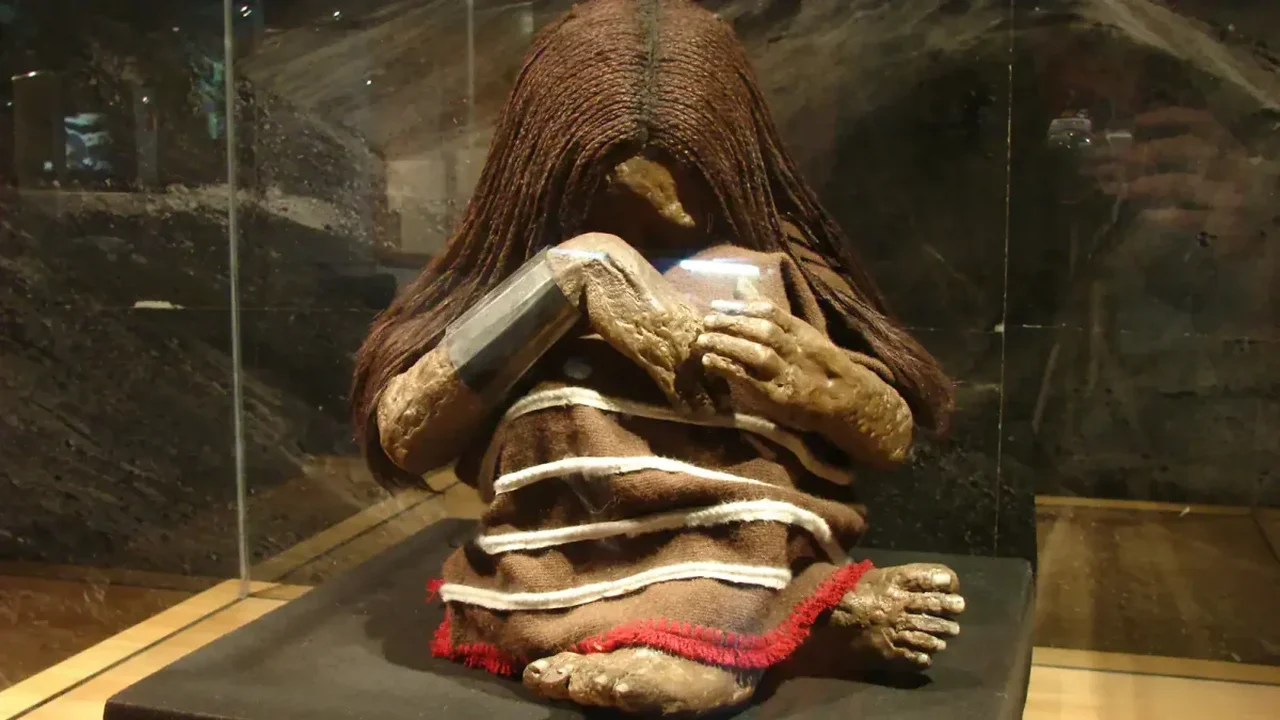
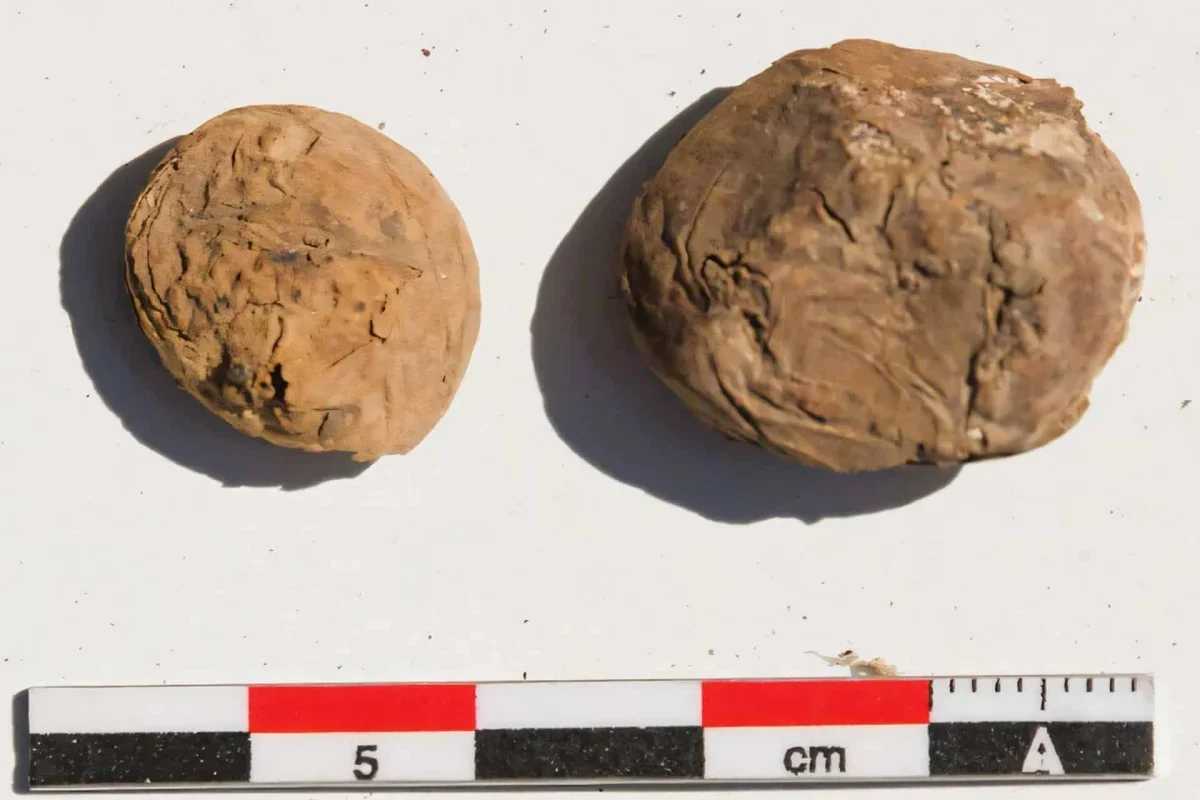
Initially discovered nearly three decades ago at altitudes exceeding 5,800 meters (19,000 feet), these mummies exhibited remarkable preservation of their skin, hair, and clothing. However, the CT scans unveiled shocking details: stones were found where hearts should be, and evidence of blunt-force trauma to the skulls indicated that these children did not merely succumb to the harsh conditions of their environment.
Historians had previously relied on Spanish colonial accounts, which depicted these children as flawless offerings to the gods. Yet, the findings from this study, led by Dagmara Socha from the University of Warsaw, reveal a more complex reality. "Although historical sources describe the children as physically perfect and without flaws, modern scientific analyses reveal a very different reality," Socha stated.
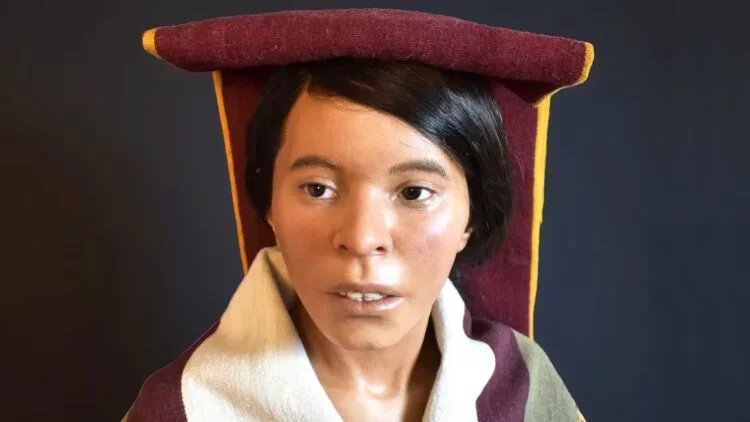
The analysis focused on notable mummies, including the renowned "Lady of Ampato," and revealed that the children were likely victims of intentional violence rather than mere victims of exposure. The scans indicated that they died from severe head injuries inflicted by wooden clubs or ritualistic tools, contradicting earlier assumptions that they were left to die from cold or suffocation.
One particularly intriguing case involved a 10-year-old girl whose abdominal and chest organs had been removed post-mortem, with stones and textiles placed in their stead. This suggests a deliberate preparation process, possibly aimed at correcting perceived physical imperfections before her presentation to the deities.
Moreover, health assessments indicated that these children were not in optimal condition. One eight-year-old girl exhibited signs of Chagas disease, while lung scarring hinted at tuberculosis, common afflictions in the Inca population of that era.
Despite the revelations, much remains to be uncovered. The current study examined only four mummies, and further research on additional high-altitude remains could clarify whether such post-mortem practices were widespread. Future studies may also integrate CT imaging with DNA and chemical analyses to uncover more about the origins and lives of these children.
As we delve deeper into the past through innovative scientific methods, these findings not only reshape our understanding of Inca rituals but also highlight the intricate relationship between ancient cultures and their beliefs. The ongoing research promises to unveil further layers of history, inspiring a richer comprehension of human civilization.