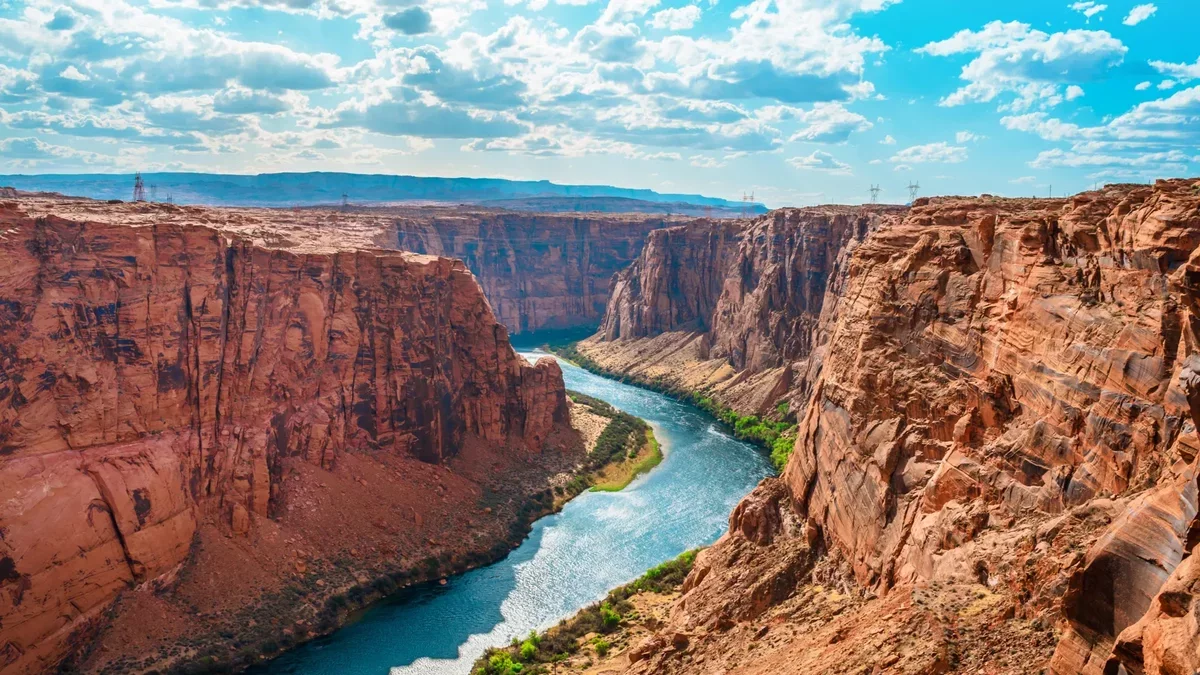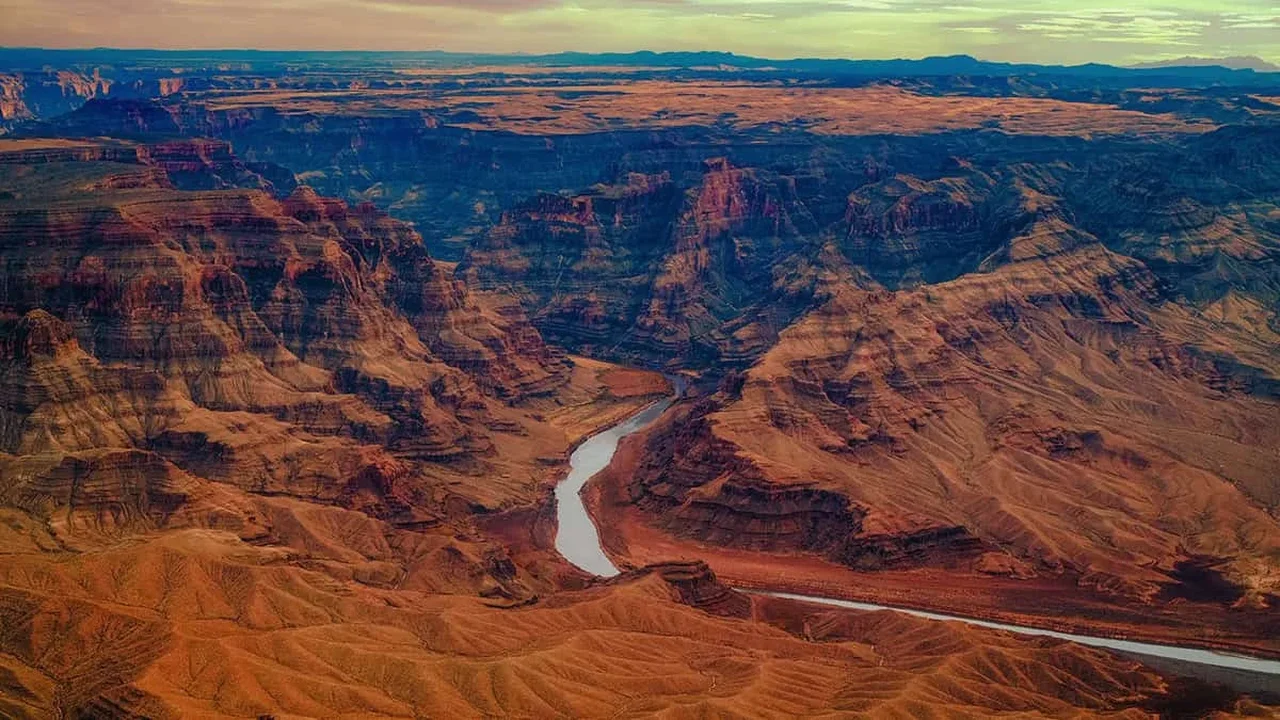
The Colorado River is entering another critical phase as shrinking flows and low reservoir levels force a tighter water strategy across the American West. The river and its reservoirs support about 40 million people, 30 tribes, and large parts of seven states plus Mexico.
Recent measurements show the river's flow has fallen by roughly 20% since 2000 compared with 20th-century averages. Lake Mead and Lake Powell have both reached record lows, underscoring how snowpack decline, higher evaporation, and long-term overallocation are reshaping the basin.
In response, the U.S. Department of the Interior finalized a two-year operating plan that will reduce deliveries in the Lower Basin by 1.25 million acre-feet. Arizona will absorb the largest share, followed by California and Nevada. The plan also sets operating rules intended to keep Lake Powell high enough to support Glen Canyon Dam.
Officials and water experts describe the decision as a short-term stabilizer rather than a lasting fix. Researchers at the University of Colorado Boulder say the basin now needs science-based planning that looks far beyond the next operating cycle. The latest environmental review, prepared with input from nearly 200 specialists across federal agencies, examined effects on river flow, groundwater, ecosystems, agriculture, recreation, and tribal communities.
While some basin leaders welcomed the added clarity, others argued that the cuts and responsibilities remain uneven. The debate now centers on how to balance reliability, fairness, and long-range resilience in a region where every acre-foot matters.
As water management becomes more data-driven and adaptive, the Colorado River could become a model for how arid regions build smarter systems for a warmer future.