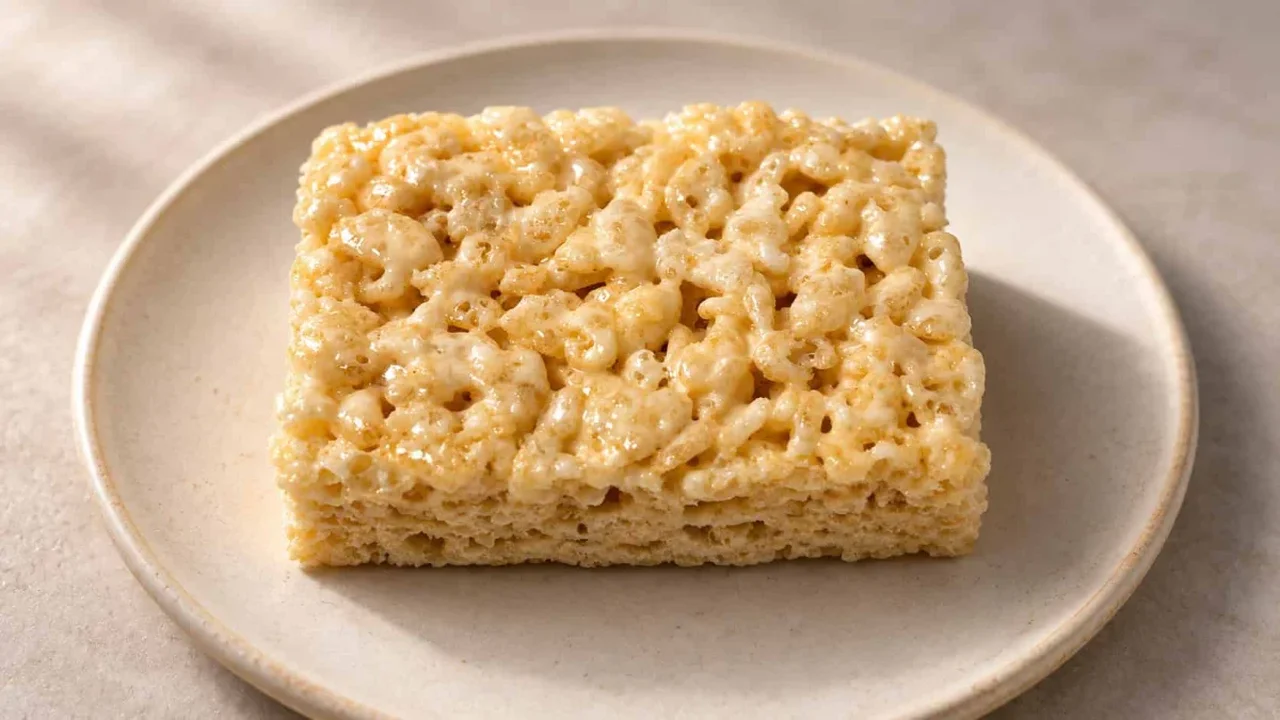
Rice Krispies still contain rice, but the cereal's recipe has changed: rice flour has replaced whole rice grains. Coco Pops has also been reformulated, now using a blend of rice and corn flour.
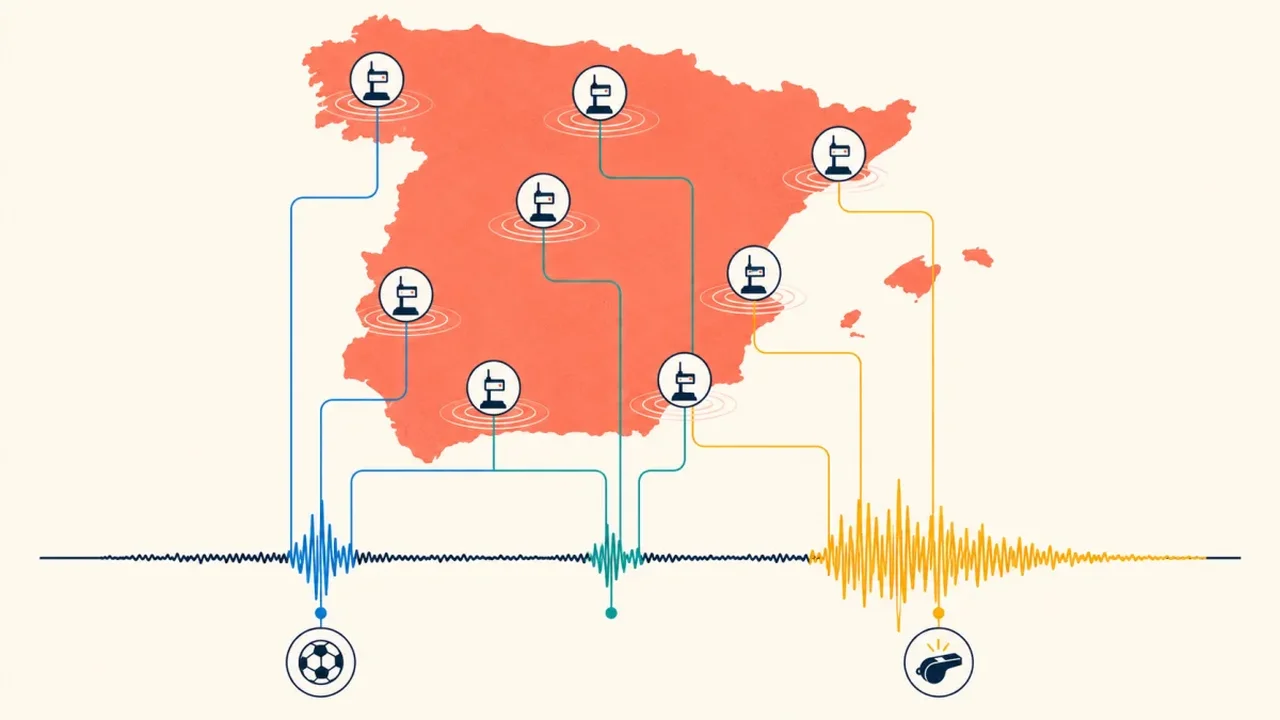
Kellogg's attributed the change to disrupted supplies of suitable rice after drought and extreme weather affected Spain in 2022 and 2023. In Seville, rice planting fell sharply as irrigation water became scarce. The European Commission's Joint Research Centre reported that reservoirs across Andalusia were at around a quarter of capacity.
Why the cereal sounds different
Traditional Rice Krispies are made by cooking, compressing and toasting whole grains. Heating expands the starch, leaving each piece with a brittle, air-filled structure. When milk enters those tiny cavities, their walls break and produce the familiar crackling sounds.
Rice flour changes that structure, so the new cereal may sound quieter and take longer to pop. Kellogg's has also included wheat gluten in the updated Rice Krispies recipe, making it unsuitable for people with wheat allergies. The previous recipe contained barley malt extract.
The issue extends beyond breakfast cereal. Research published in Communications Earth & Environment has examined how warming conditions affect rice-growing regions, while a 2026 analysis of 61 studies found that high temperatures can reduce grain quality and disrupt rice development. Researchers at Cornell University have also explored how the cereal's crackling physics can help explain similar sounds in other materials.
Rice is a staple for billions and an ingredient in many processed foods. As growing conditions become less predictable, manufacturers may increasingly adapt recipes and sourcing. The cereal aisle offers a small, tangible example of how climate resilience could shape the foods of tomorrow.