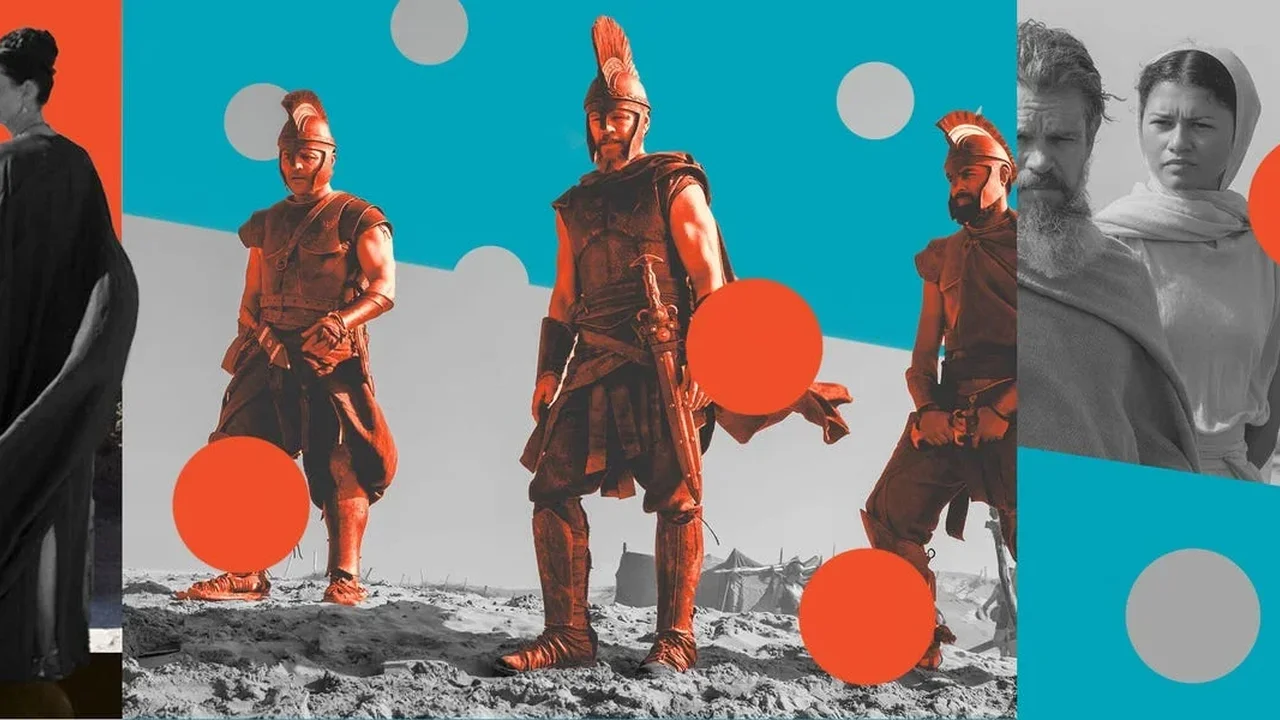
Christopher Nolan's upcoming The Odyssey is drawing attention not only for its scale, but for the way it reimagines Homer's ancient epic through a contemporary lens. Set to reach theaters on July 17, the film brings a modern cast and a bold visual style to one of literature's most enduring stories.
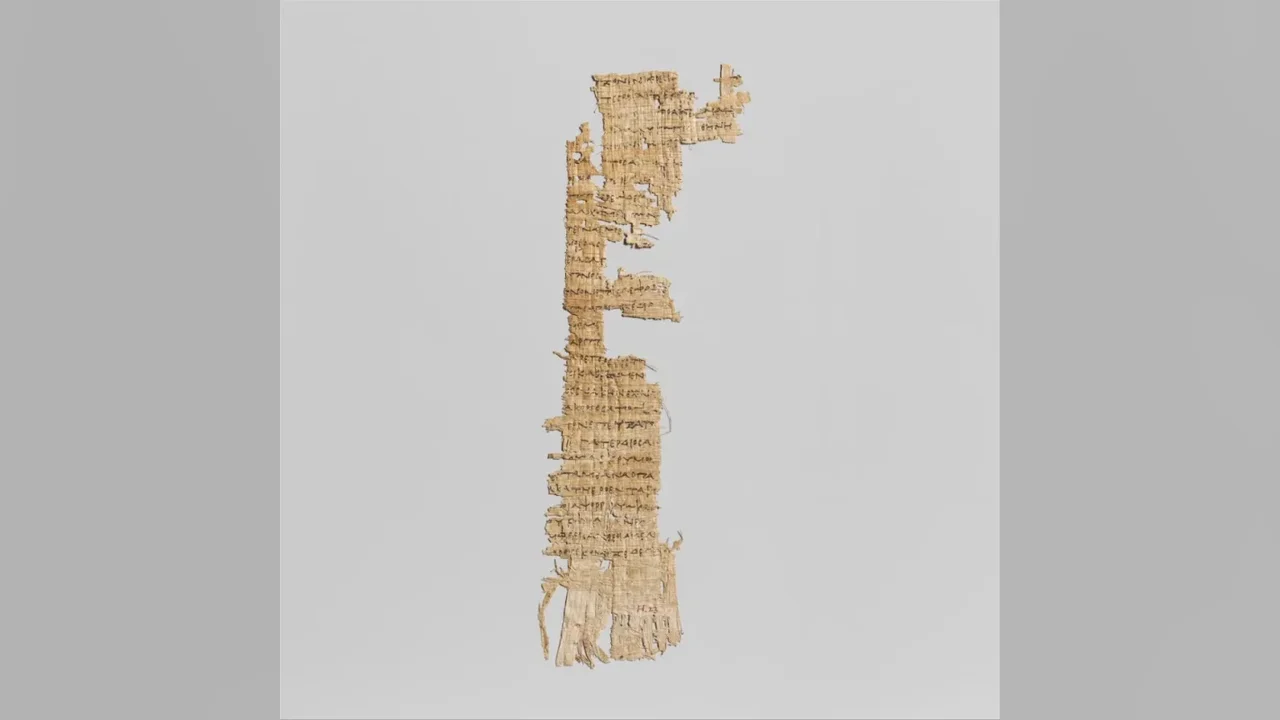
Homer's poem, rooted in an oral tradition dating back to the 8th century BCE, has survived for nearly 2,800 years because it keeps adapting to new audiences. Nolan appears to lean into that flexibility, using a more natural, contemporary style of dialogue rather than elevated period speech. According to the director, the goal was to make the language feel emotionally immediate.
The film's casting has also become part of the conversation. Lupita Nyong'o, Elliot Page, and Travis Scott appear in supporting roles, while Matt Damon plays Odysseus and Anne Hathaway portrays Penelope. Nolan has said Scott's role reflects the poem's oral roots, drawing a parallel between ancient storytelling and rap performance.
Another creative choice is the film's visual design. Agamemnon's armor, worn by Benny Safdie, uses dark metallic tones and gold detailing to signal status and power. Nolan noted that historical materials such as blackened bronze may have been possible in the Bronze Age, giving the costume a grounded basis even as it looks striking on screen.
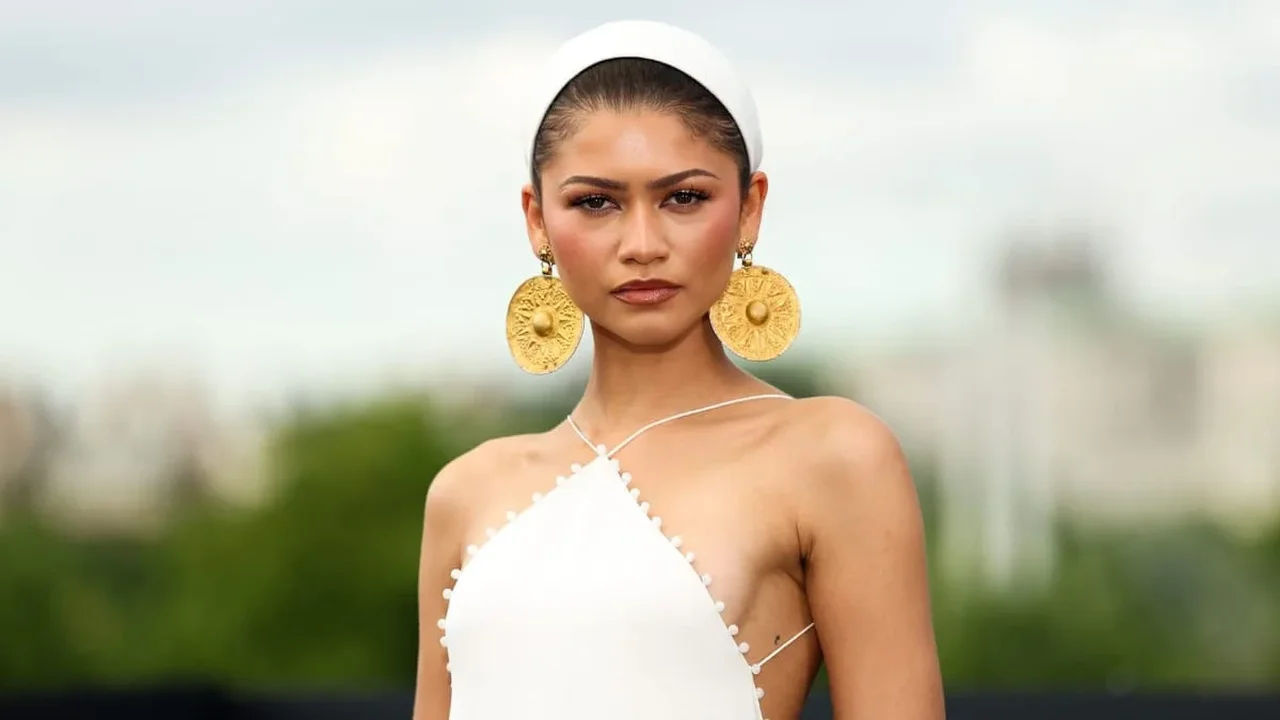
The film also presents the mythic world with vivid energy: Charlize Theron appears as Calypso, Samantha Morton plays Circe, Zendaya takes on Athena, and the journey includes the cyclops and Poseidon. Rather than treating the gods as distant symbols, Nolan gives them a more direct presence, keeping the story active and cinematic.
The Odyssey shows how a classic can be retold with new voices, new imagery, and new cultural resonance. Its arrival may help shape how future filmmakers adapt ancient stories for modern audiences.