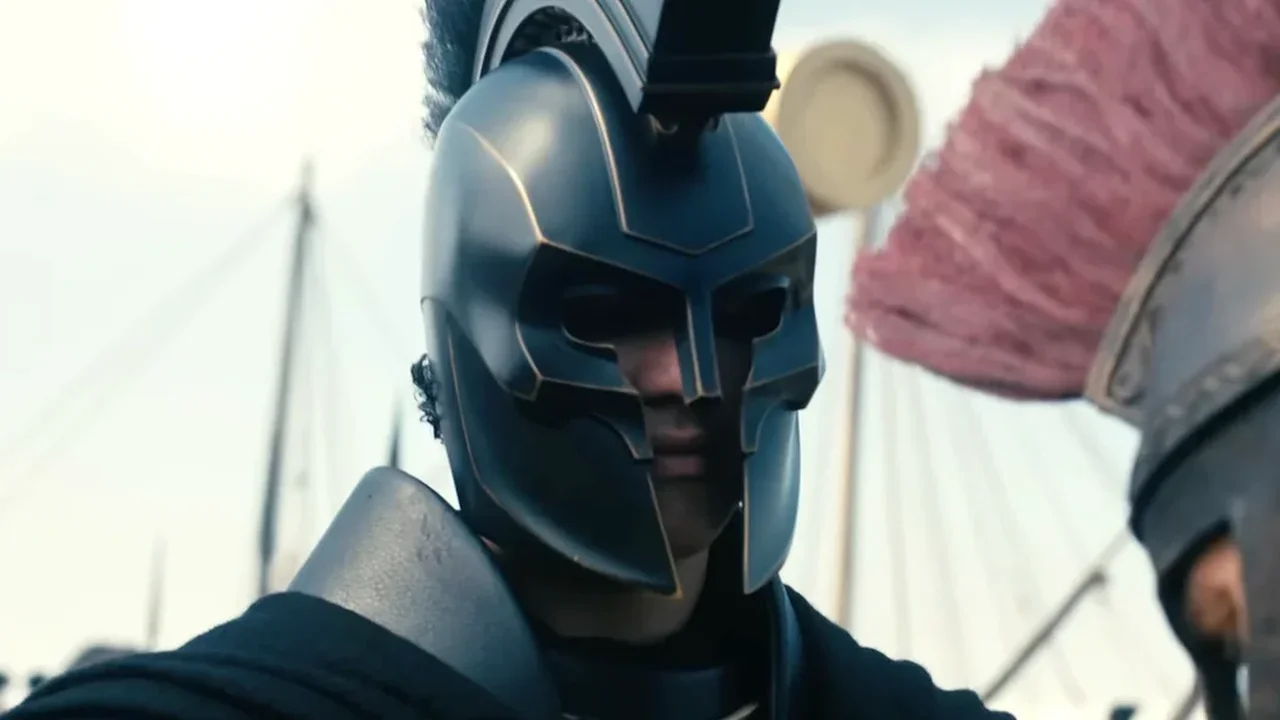
Christopher Nolan's upcoming The Odyssey is reigniting interest in large-scale historical cinema, a genre that blends myth, strategy, and visual ambition. As epic storytelling returns to the spotlight, a new wave of viewers is discovering how past eras can feel strikingly modern on screen.
Why these films stand out
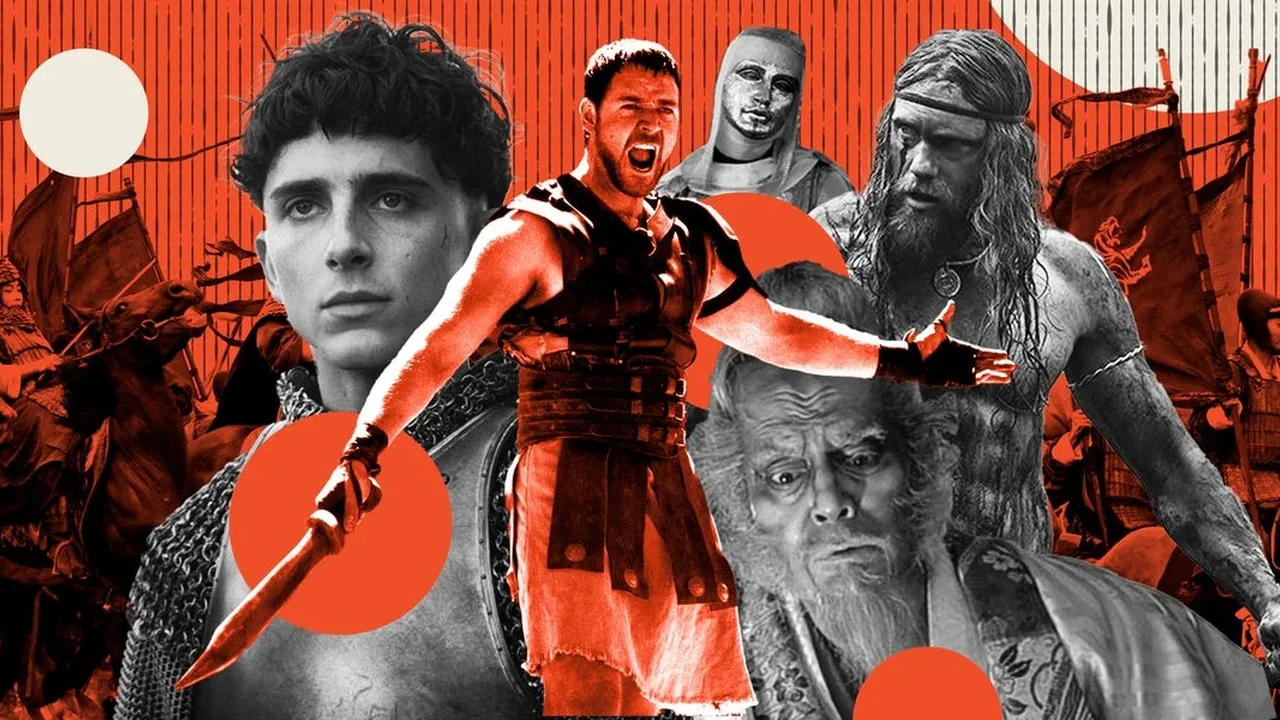
From Arthurian legend to Roman arenas, these titles show how directors have reimagined history through bold production design, powerful performances, and immersive action. The list spans modern classics and visually inventive works that helped keep the epic tradition alive after the studio-era boom faded in the 1960s.
Excalibur brings King Arthur's world to life with mythic scale and surreal atmosphere. Ran, Akira Kurosawa's sweeping interpretation of Shakespeare's King Lear and Japanese feudal legend, is celebrated for its elemental visuals and commanding battle scenes. Gladiator revived the Roman epic for a new generation with its emotional core and arena spectacle.
Troy adapts Homeric material into a star-driven blockbuster, while Kingdom of Heaven expands the historical epic with a more reflective, director's-cut vision. Beowulf pushes the genre into motion-capture territory, and Red Cliff delivers a two-part war saga shaped by John Woo's kinetic style.
More recent entries such as Immortals, The King, and The Northman show how filmmakers continue to remix ancient stories with contemporary pacing, stylized imagery, and a stronger sense of atmosphere. Together, they reflect a growing appetite for cinema that is both grand in scale and rooted in timeless conflict.
As audiences continue to embrace mythic storytelling, the historical epic may be entering a fresh creative era where tradition and innovation move forward together.