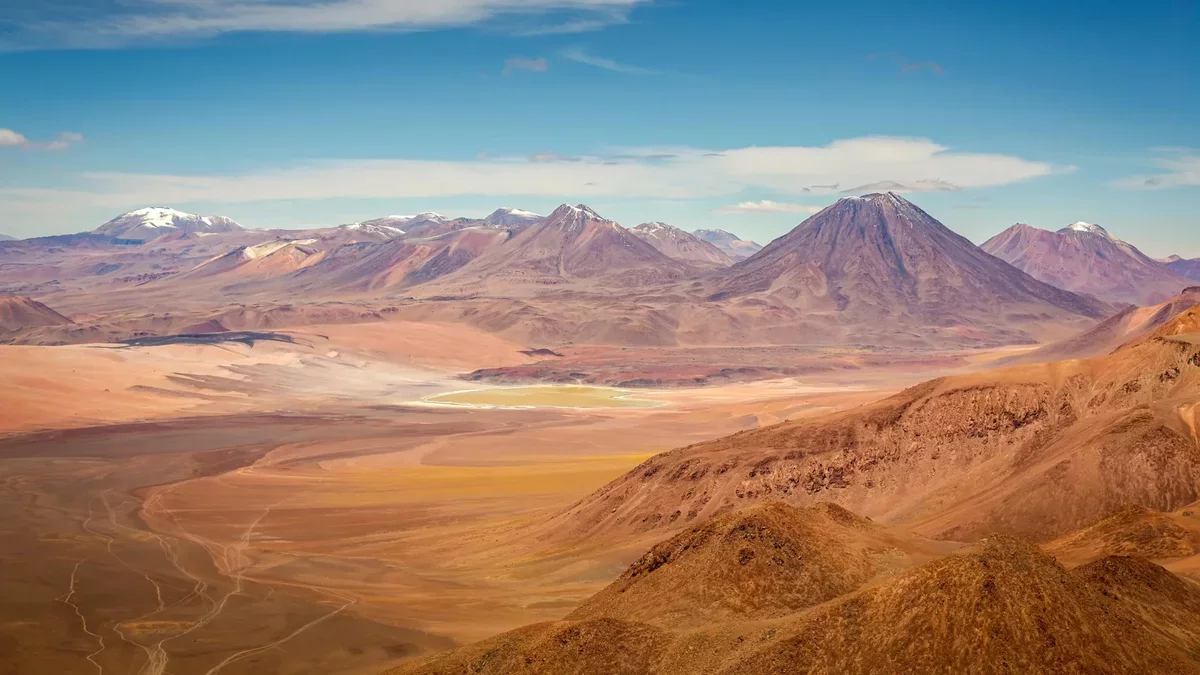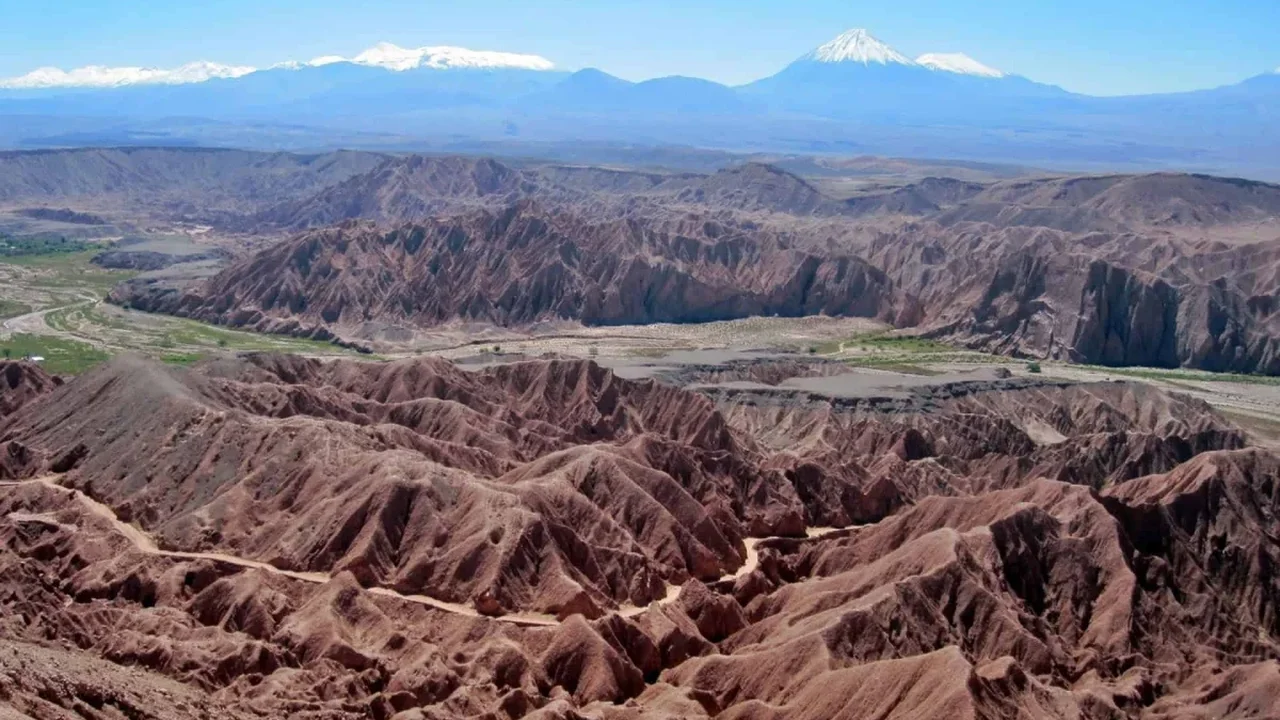
A cold, dry plateau in Chile's Atacama Desert has recorded some of the most intense sunlight measured on Earth. In January 2017, an instrument at the Chajnantor Plateau registered a brief peak of 2,177 watts per square metre--an intensity comparable to solar radiation near Venus.
The measurement came from a pyranometer installed in 2016 at 5,148 metres above sea level. Over five years of observations, the site averaged 308 watts per square metre across day and night. The findings were reported in the Bulletin of the American Meteorological Society.
Why the plateau receives so much sunlight
At this elevation, sunlight passes through less atmosphere before reaching the ground. The region's exceptionally dry air contains little water vapour to absorb solar energy, while clear skies and low levels of aerosols and ozone allow more radiation through. The Southern Hemisphere's summer also coincides with Earth's closest annual approach to the Sun.
Clouds played a surprising role in the record peak. Under certain conditions, sunlight scattering off bright cloud edges can be redirected toward the ground, temporarily boosting radiation at a particular spot. This effect, known as cloud enhancement, helps explain how the reading rose above the typical solar intensity measured beyond Earth's atmosphere.
Strong sunlight does not necessarily mean warm air. The plateau's thin, dry atmosphere holds little heat, and the surface cools quickly--so temperatures can hover near freezing despite the powerful solar energy arriving during the day.
The Altiplano's consistent solar resources could support renewable-energy generation, although sudden changes in sunlight can make power output more variable. As researchers refine measurements of these conditions, high-altitude regions may offer fresh insight into how to plan and manage future solar energy systems.