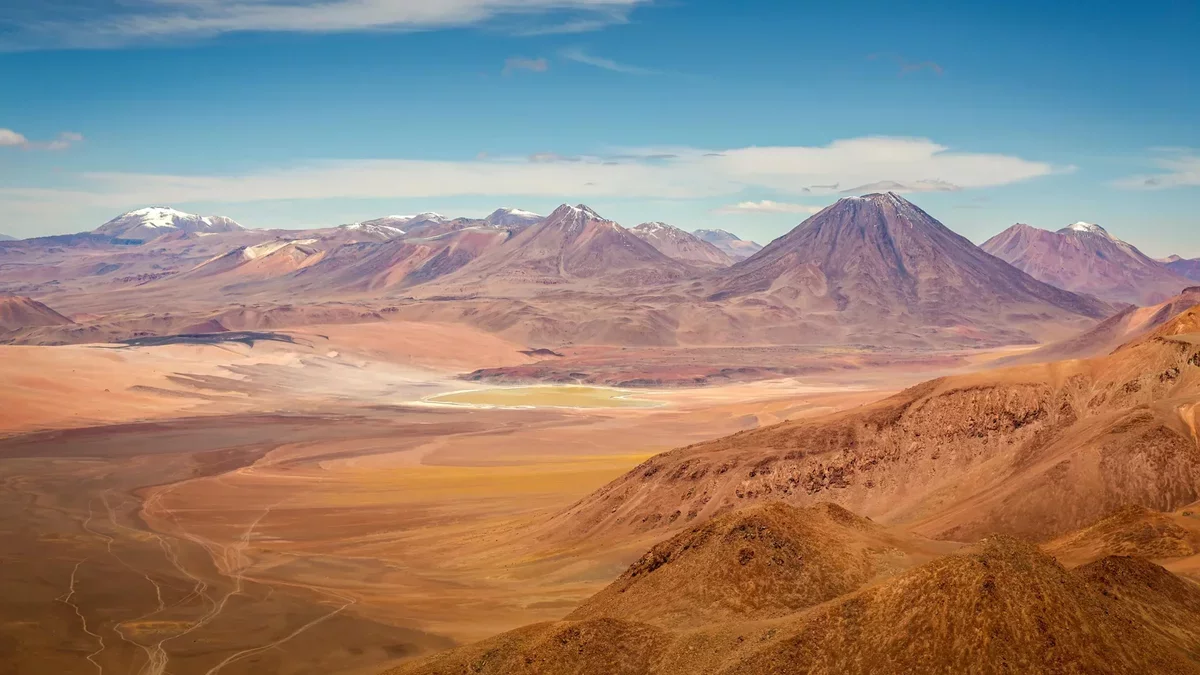
The Atacama Desert, known as the world's driest desert, has surprised researchers with the discovery of thriving communities of nematodes. A collaborative effort among zoologists, ecologists, and botanists has shed light on how various species manage to survive in such extreme conditions. Their research, published in Nature Communications, offers new insights into how environmental factors shape biodiversity across diverse landscapes.
The Importance of Nematodes
Nematodes are among the most abundant organisms in soil ecosystems, playing a crucial role in maintaining ecological balance. These microscopic creatures help regulate bacterial populations, facilitate nutrient cycling, and serve as indicators of soil health. Their wide adaptability allows them to thrive in diverse environments, from deep ocean sediments to Arctic regions and saline soils. This resilience makes them ideal subjects for studying life in extreme conditions.
"Soils are fundamental to ecosystem performance, influencing carbon storage and nutrient supply. Understanding the multicellular animals, not just microbes, that inhabit these soils is essential," explains Dr. Philipp Schiffer from the University of Cologne's Institute of Zoology, a co-author of the study. "Data on soils in extreme ecosystems like the Atacama Desert remains limited."
Exploring Life in Extreme Conditions
The research team is part of the Collaborative Research Centre 1211 "Earth -- Evolution at the Dry Limit," which has been conducting long-term studies in the Atacama. They examined six distinct regions with varying environmental conditions, including higher elevations with more moisture, saline zones exposed to high UV radiation, and fog-fed oases that support unexpected plant life.
Soil samples were collected from diverse terrains, including sand dunes, salt flats, riverbeds, and mountainous areas. The researchers analyzed the biodiversity, reproductive strategies, and population structures of nematodes in each environment.
Asexual Reproduction in Harsh Environments
Significant differences were observed across locations. In higher elevation areas, many nematode species were found to reproduce asexually, supporting the hypothesis that this reproductive strategy may confer advantages in extreme environments. Biodiversity patterns also aligned with moisture availability, with wetter areas supporting a wider variety of species. Temperature variations further influenced the survival of nematode communities in specific regions.
Implications for Climate Change
The findings indicate that stable and resilient soil ecosystems can thrive even in remote, arid landscapes, suggesting that other dry regions may harbor more biodiversity than previously thought. However, the research also reveals potential vulnerabilities. "In some regions studied, simplified food webs indicate that these ecosystems are already compromised and may be more vulnerable to disturbances," notes Schiffer.
As global aridity increases, understanding the adaptations of organisms in extreme environments becomes increasingly relevant. This research underscores the importance of recognizing ecological patterns, such as precipitation gradients and altitude influences, even in harsh conditions, marking a significant advancement in our understanding of soil organisms' responses to environmental changes on a global scale.