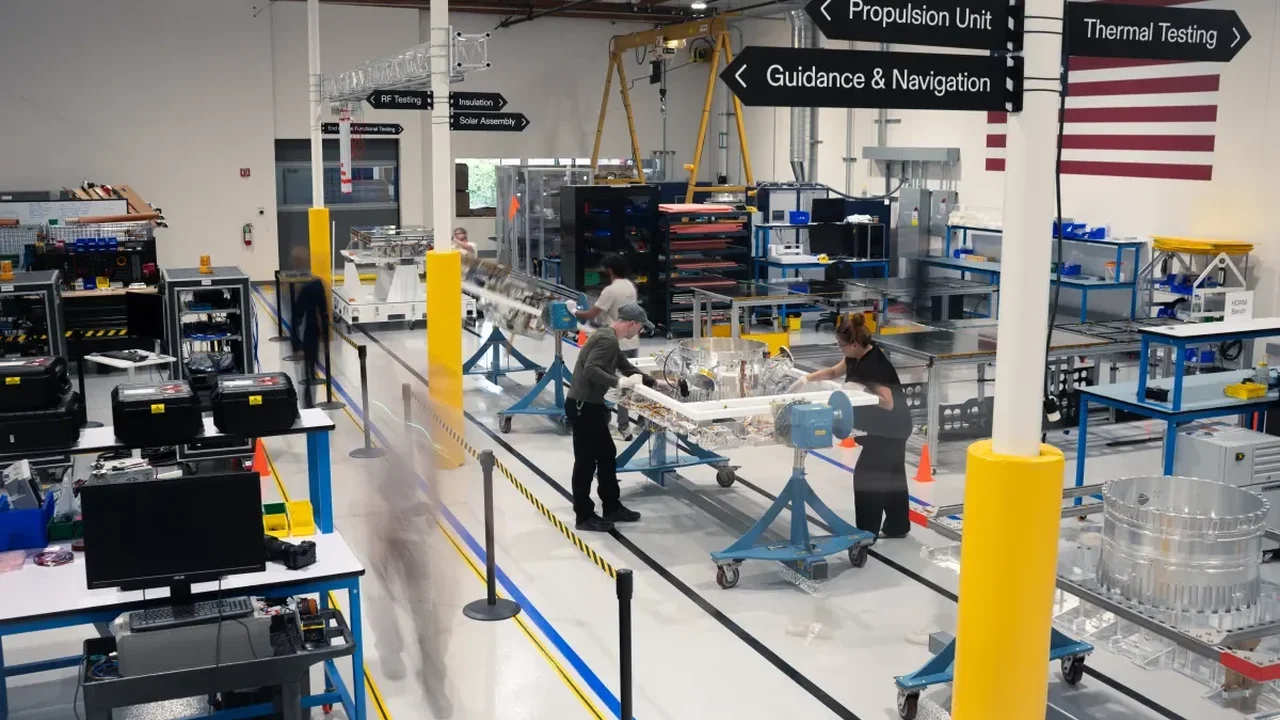
California-based Charter Space has raised $5 million in seed funding to broaden insurance services designed for the fast-growing commercial space sector. The company, which launched its nationally licensed brokerage in May, now supports more than 50 businesses across the United States space industry.
Data-driven coverage for complex missions
Founded by Yuk Chi Chan and Yukun Yin, Charter Space initially developed software that brings aerospace engineering, manufacturing and testing data into a single environment. The team identified an opportunity to use this technical information to modernize how space missions are assessed for insurance coverage.
The company's platform is designed to help insurers better understand complex aerospace projects, including satellites, spacecraft and launch-related systems. By improving the flow of technical data into underwriting processes, Charter Space aims to make coverage more accessible for companies operating in orbit and beyond.
Supporting a broader space economy
The funding round was led by Crystal Venture Partners, with participation from QED, Blank Ventures, Hustle Fund and Gaingels. Charter Space has now raised $8 million in total and plans to expand its sales team and insurance product range.
Future offerings may cover emerging mission models such as lunar operations, in-space spacecraft servicing and space-based power systems. These areas are becoming increasingly relevant as launch costs fall, satellite programs multiply and private companies take on more ambitious roles in the orbital economy.
Insurance can provide companies with additional financial flexibility, supporting investment structures beyond traditional venture capital. For a sector built on advanced engineering and long development cycles, broader coverage could help create a more resilient foundation for innovation.
As commercial activity in space accelerates, platforms that connect aerospace data with financial services may become an important part of building a more scalable, sustainable and investable space economy.