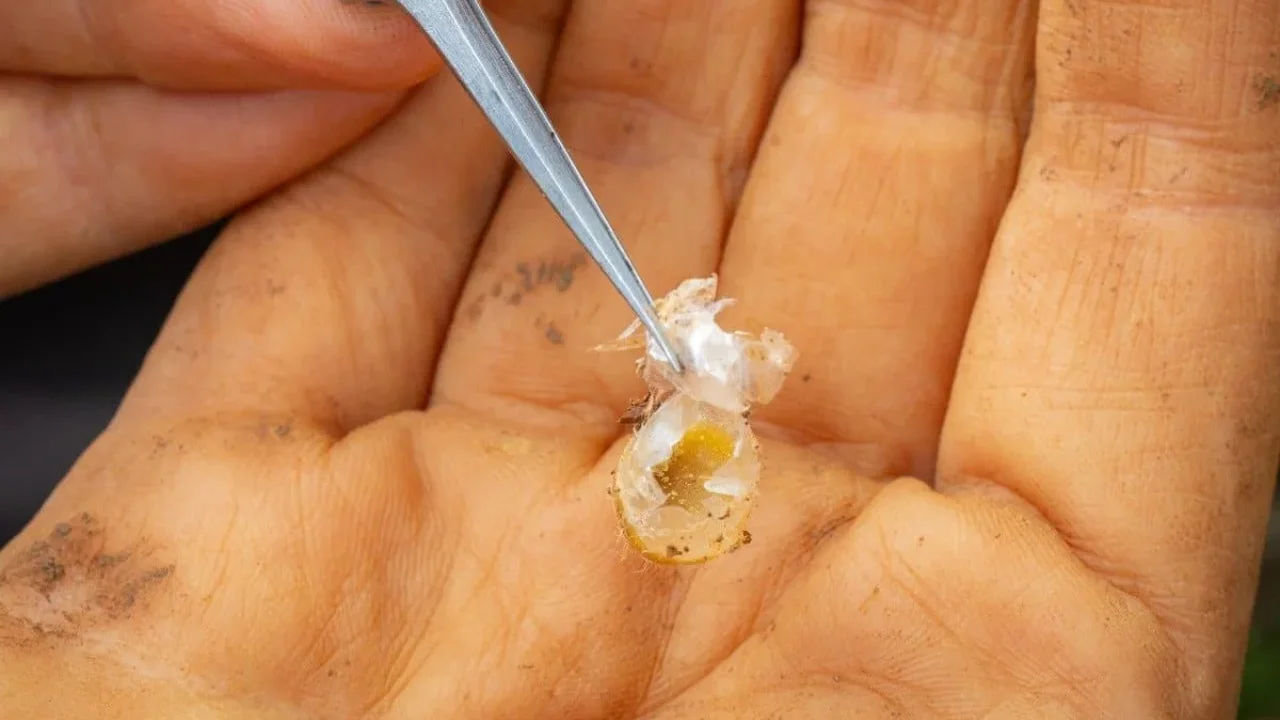
Cellophane bees make a flexible, translucent polyester to line their underground nests. New research suggests this natural material combines plastic-like qualities with the ability to break down in soil, offering scientists a potential blueprint for more sustainable materials.
Native to North America, Colletes inaequalis bees produce the lining through secretions from a specialized gland. Researchers examined fresh nest material and samples aged four, seven and 11 months. The polyester made up about 73% of the lining's weight when new; after four months in soil, its share had fallen to 40%. Later samples showed cracks and became brittle.
What makes the material different?
The researchers found that the polyester has crystalline regions, a feature often associated with slower breakdown. Yet its molecular arrangement may leave some chemical bonds more accessible to water and enzymes. Tests also detected esterase activity, which could help break down polyester bonds.
These findings point to possible structural and biological factors, but the precise reasons for the material's biodegradability remain unclear. The nest lining is not yet a ready-to-use substitute for commercial plastics, and further work is needed to determine whether its useful properties can be recreated at scale.
Published in PNAS, the study highlights how studying natural materials could guide the design of flexible plastics that decompose more readily. If researchers can reproduce the bees' material principles, they may help shape a new generation of more sustainable products.