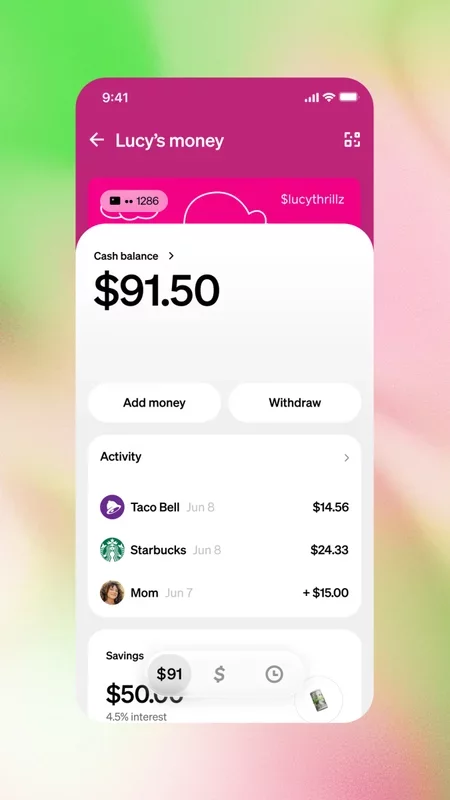
In a bold move to engage younger audiences, Cash App, a fintech company under Jack Dorsey's Block, has identified a new target demographic: children aged 6 to 12. This initiative follows the company's successful introduction of financial services for teenagers, as it seeks to foster financial literacy among the next generation.
The newly launched program allows parents to set up accounts for their children, who will not have direct access to the app. Instead, parents will manage these accounts, overseeing deposits and monitoring transactions. Children will receive a debit card linked to their accounts, providing them with a practical way to learn about spending and budgeting.
Additionally, these accounts can accept peer-to-peer payments from a select group of approved users, such as grandparents, and will have the potential to earn interest of up to 3.25%. Kristen Anderson, Cash App's group product lead for Core Networks, emphasized the importance of this initiative in teaching children about financial responsibility. "We've noticed a strong desire from our customers to introduce kids to financial experiences at an earlier age," Anderson stated.
To further enhance the learning experience, the app includes an "allowance" feature, allowing parents to automate transfers to their child's account, thus promoting savings habits. Once children reach the age of 13, they can transition to their own Cash App accounts, with parental approval. At this stage, they gain access to a wider range of services, including cryptocurrency trading and stock investments, all under adult supervision until they turn 18.
With approximately 5 million active teen users already on board, Cash App is paving the way for a financially savvy generation. Other platforms are also exploring similar offerings for younger users, highlighting a growing trend in fintech aimed at fostering financial literacy from an early age.
As this initiative unfolds, it holds the potential to significantly impact how children understand and interact with money, setting the stage for a future where financial literacy is ingrained in the very fabric of youth education.