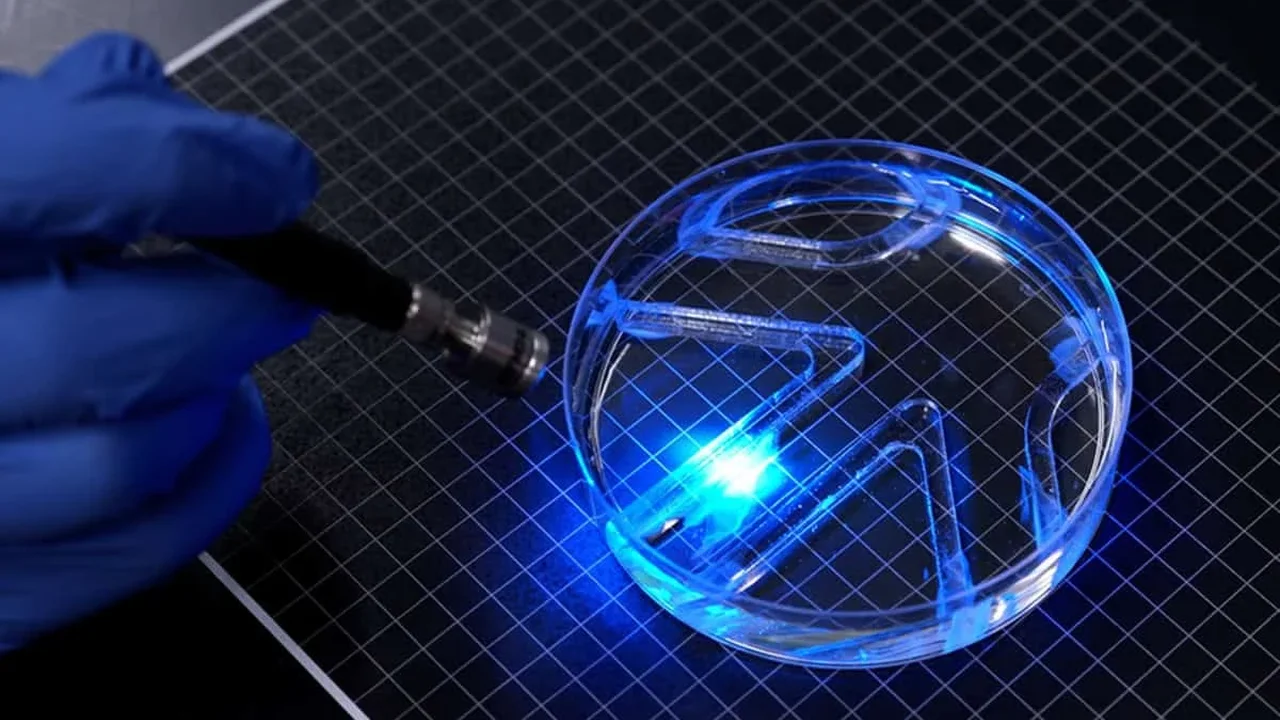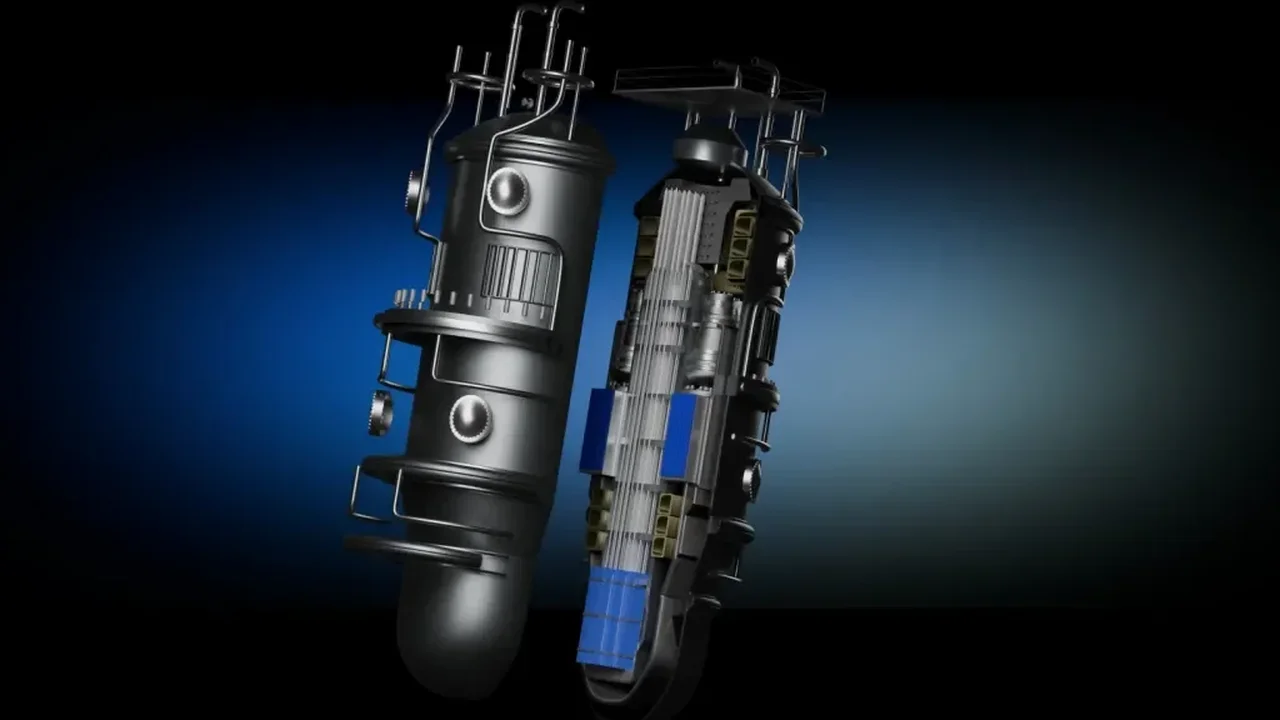
Fusion research is often associated with enormous facilities, but Cambridge Heavy Industries is developing a compact, benchtop device to test a different route. The Massachusetts startup says its smaller modules allow it to run dozens of experiments each day, with results informing simulations that use AI to refine the design.
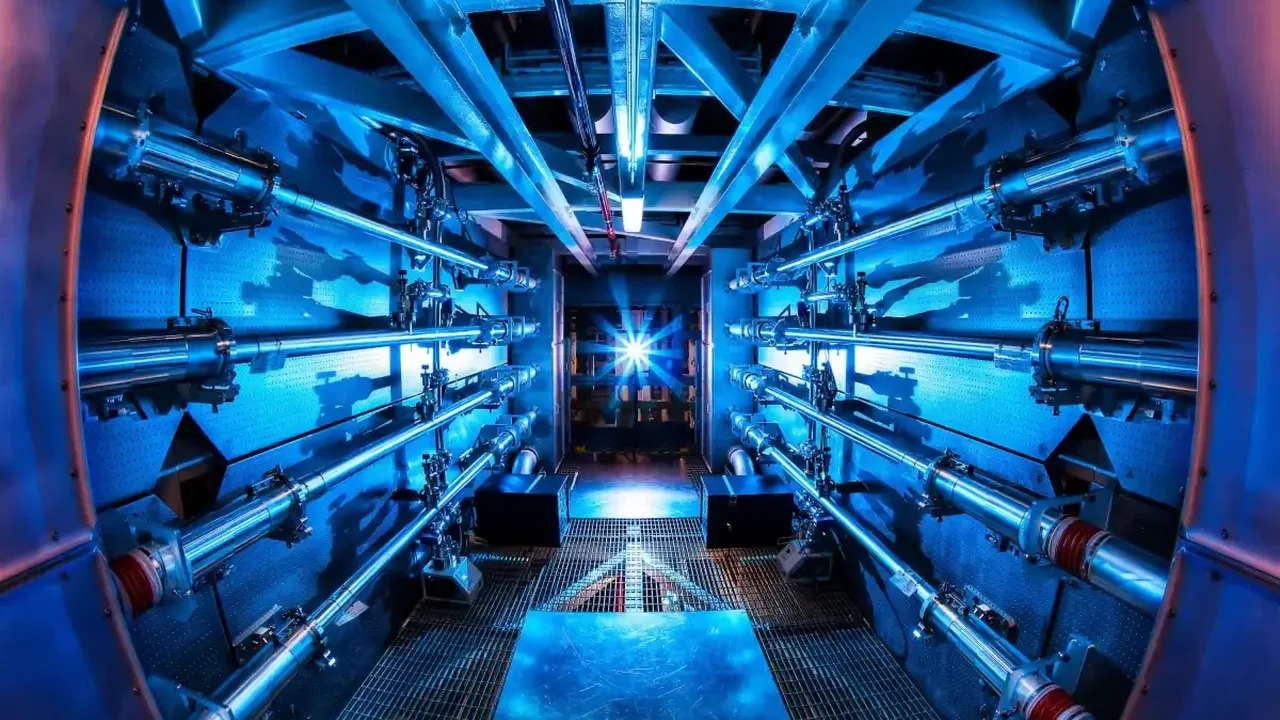
The system uses lasers to compress a fuel target. Its approach coordinates laser pulses in successive rings, building pressure toward the target's center before another laser delivers heat and helps create the conditions for fusion. The concept grew out of research at MIT, where scientists used laser pulses to study materials under extreme conditions.
From laboratory device to energy system
Cambridge Heavy recently raised $6.2 million in seed funding, led by Azolla Ventures, to advance its work. The company's longer-term goal is to scale the design into a power plant within about a decade. That facility would be much larger than the current prototype, but the company expects it to be smaller than many other proposed fusion plants.
Before then, the startup also plans to explore producing tritium, a scarce hydrogen isotope used as fuel in many fusion concepts. A dependable supply could help address a potential constraint as the sector moves from experimental systems toward commercial energy production.
If its compact design proves scalable, Cambridge Heavy's rapid testing model could help make fusion research more iterative and broaden the range of engineering approaches available for future power systems.