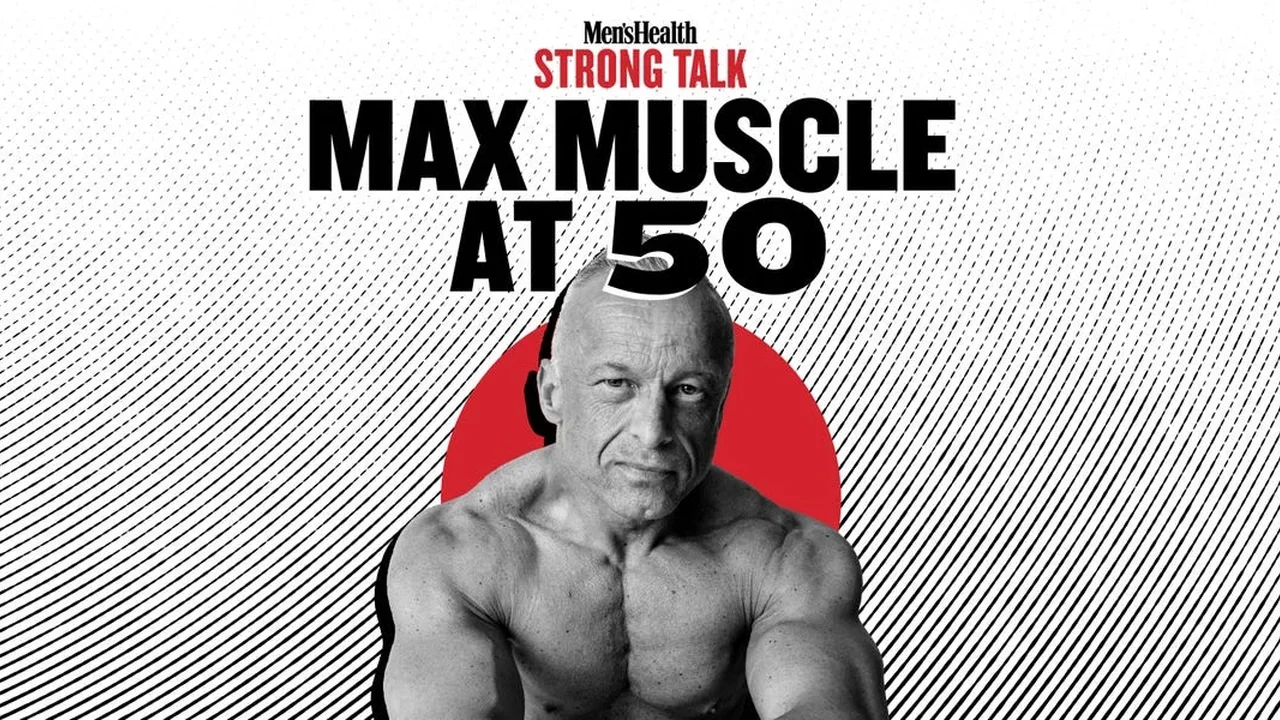
Building muscle is less about spending every day in the gym and more about combining consistent resistance training with enough food and recovery. A practical plan can support strength, everyday movement and long-term fitness.
Train with purpose
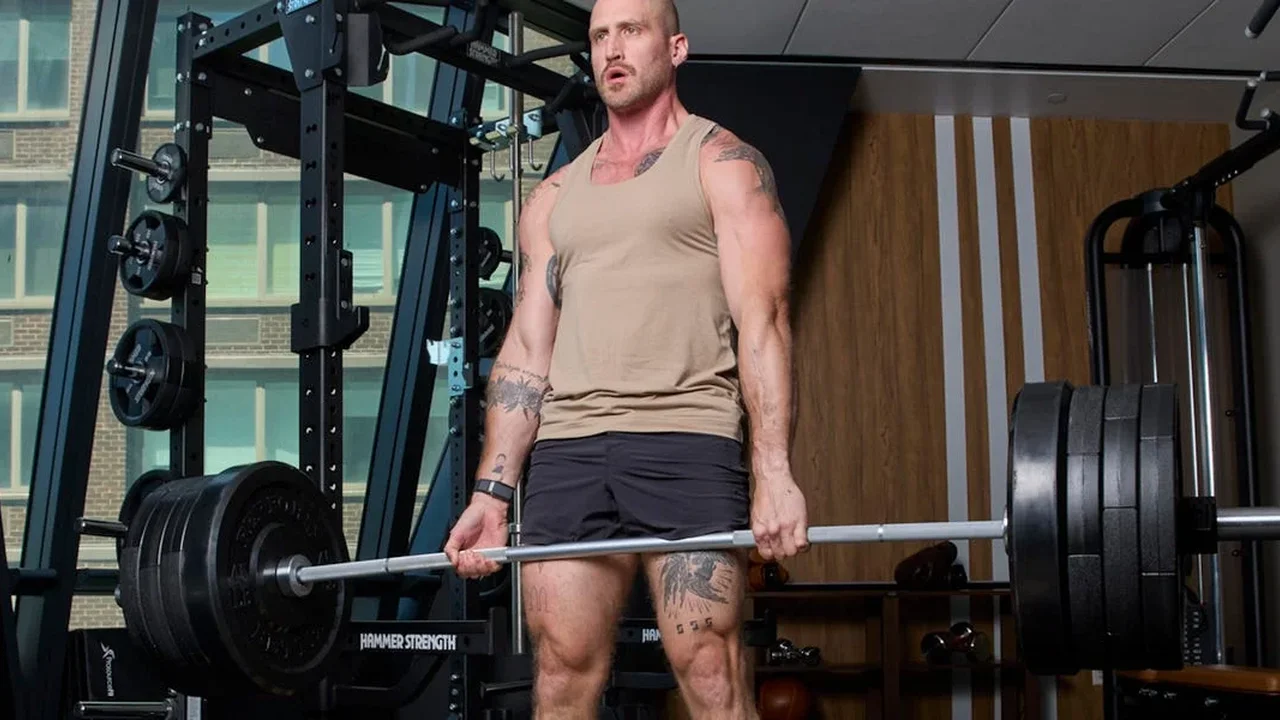
Make multi-joint exercises such as squats, presses, rows and deadlifts the foundation of your routine. These movements engage several muscle groups at once, while targeted exercises can add variety. Use a weight that challenges you while allowing you to maintain good technique.
Progress does not have to mean adding weight every session. Over time, you can aim for an extra repetition, more controlled movement, an additional set or shorter rest periods. Gradual increases in difficulty help keep training productive without turning every workout into a maximum-effort test.
Fuel growth and recovery
Muscle repair depends on adequate protein, while total energy intake also matters. Include protein-rich foods across the day and choose a balanced range of carbohydrates and fats. If your goal is to gain muscle, a modest increase in calories may help; nutrient-dense foods can make that easier.
Recovery is part of the process, not a break from it. Allow muscles time between demanding sessions, and aim for regular, quality sleep. Hard training without sufficient recovery can make it harder to sustain progress.
Build a routine that lasts
Strength training can support joint function and make everyday tasks and recreational activities feel more manageable. Results take time and vary with training experience, nutrition and consistency. A realistic plan--adjusted to individual needs and performed with safe technique--offers a stronger foundation than chasing rapid changes.
As training knowledge and personalized fitness guidance continue to evolve, sustainable habits can help more people make strength and movement a lasting part of everyday life.