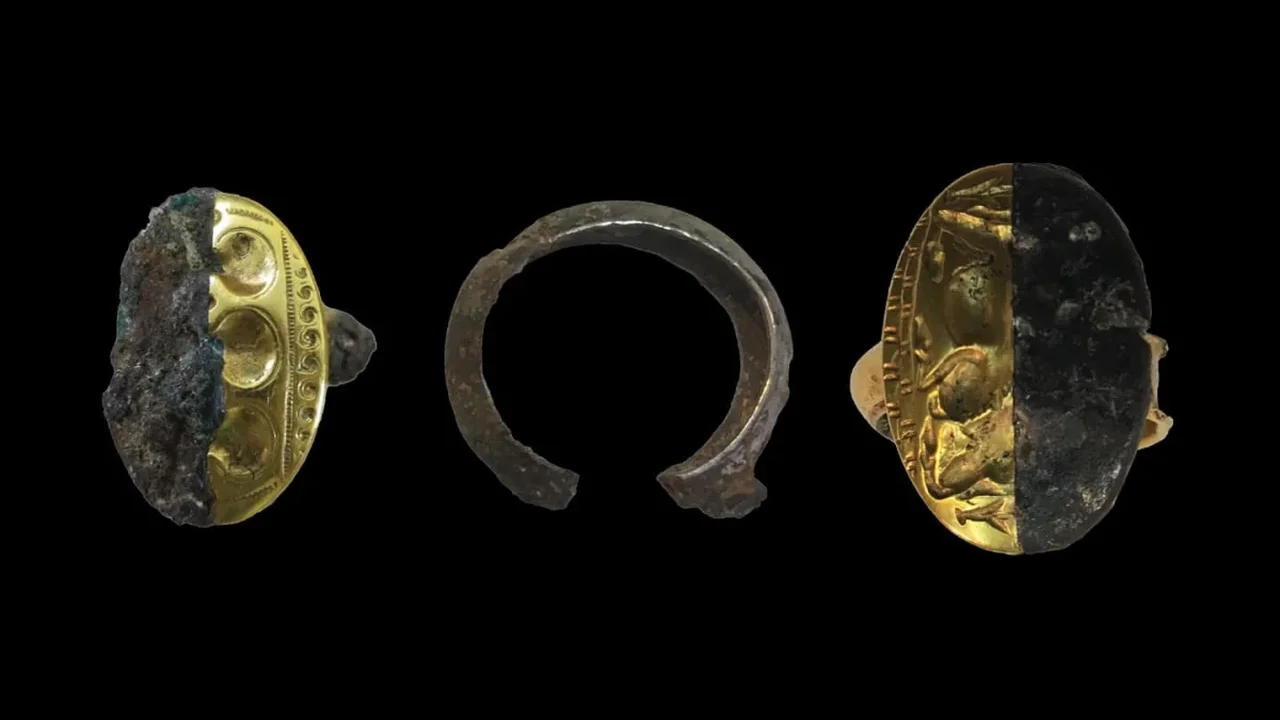
New archaeological analysis suggests that some elite rings in Bronze Age Greece were crafted from meteoritic iron, turning a material from space into a marker of prestige. The study focuses on Minoan and Mycenaean jewelry found in wealthy tombs and high-status contexts.
Space metal, status symbol
Researchers examined 91 iron objects from 33 archaeological sites using portable X-ray fluorescence, a non-invasive method that reveals elemental composition without damaging fragile museum pieces. They looked closely for nickel, a chemical signature often associated with iron meteorites.
The results pointed to 13 objects with notable nickel content, and all of them were finger rings. According to the study, nine are very likely meteoritic, one is likely, and three need further testing. Many were bezel rings, often paired with gold, silver, or bronze, and several were discovered alongside luxury items such as amber jewelry and stone seals.
The pattern suggests these rings were not everyday accessories. Instead, they appear to have functioned as elite objects, worn by people connected to power, ritual, or courtly life. One example from Anemospilia on Crete was found on the finger of a man interpreted by excavators as a high-ranking priest.
The timeline is equally revealing. Most of the nickel-rich rings belong to the Late Bronze Age, and their use seems to have faded around the collapse of the Mycenaean palace system, near 1200 BCE. Around that same period, smelted iron began to appear more widely in Greece, including early examples from Dendra and Skoura.
Published in the Journal of Archaeological Science, the study shows how a rare material from the sky may have shaped ancient ideas of value, identity, and craftsmanship. It also hints at how technological change can transform prestige objects into practical materials, influencing the cultural language of the future.