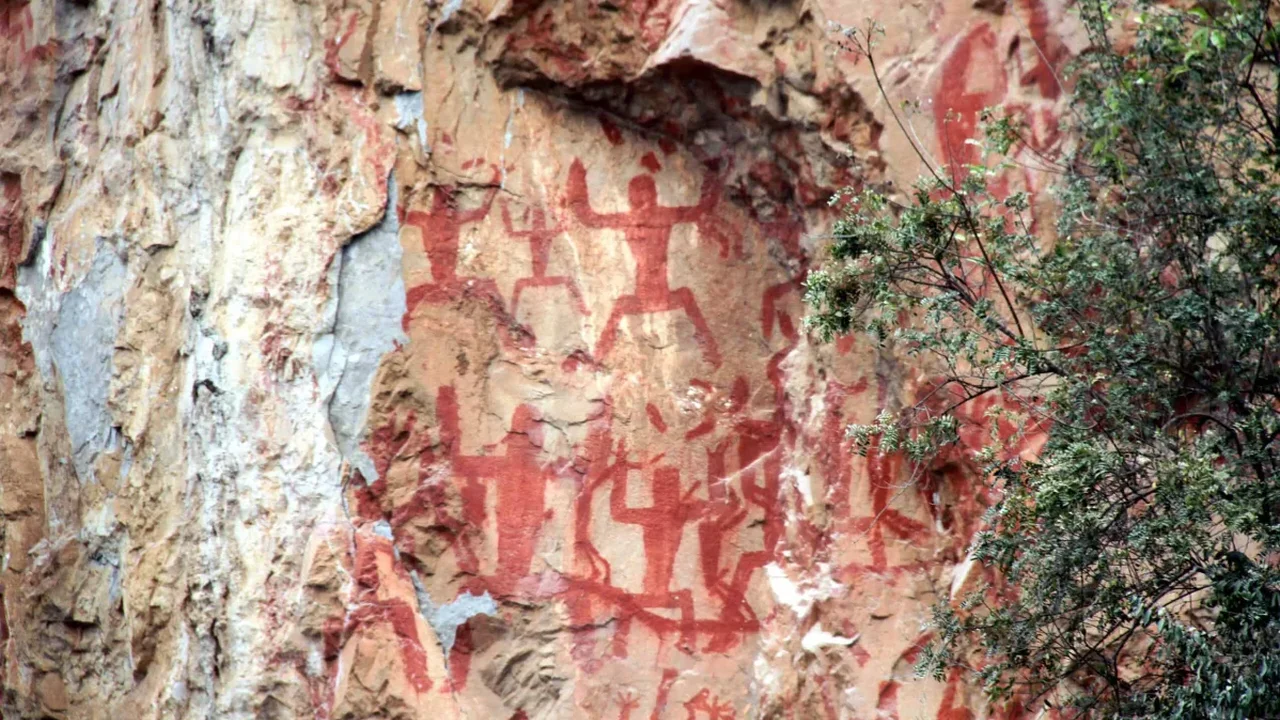
New research suggests that the remarkable endurance of China's ancient cliff paintings may be tied to an unusual material recipe. For more than 2,000 years, red figures on limestone cliffs in southern China have remained visible despite monsoon rain, heat, and humidity.
A durable ancient technique
Scientists examined painted fragments from three sites along the Zuojiang and Mingjiang rivers, where the Luoyue people created rock art between the 5th century BC and the 2nd century CE. The scenes show people, animals, boats, weapons, and bronze drums, offering a vivid window into ceremonial life.
Using electron microscopy, chemical testing, infrared and Raman spectroscopy, and proteomic analysis, the team found that the paintings were built in layers rather than applied as a simple coat of pigment.
How the surface was prepared
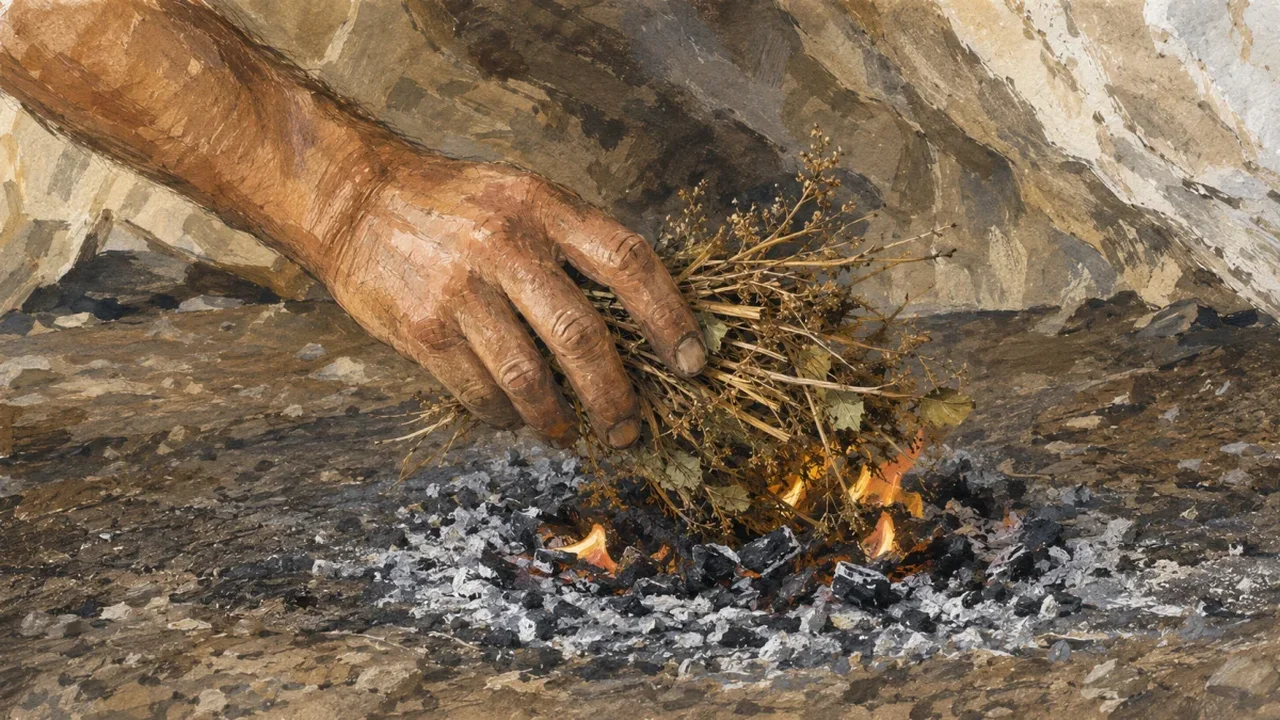
According to the reconstruction, artists first created a mortar from heated limestone, bone ash, water, and a small amount of blood. On top of that base, they applied a red pigment made from iron-rich clay containing fine hematite particles.
The key detail appears to be the interaction between the mortar and the pigment. As the lime-based layer cured, it formed calcium carbonate again, while proteins in the blood helped guide crystal growth around the pigment grains. That process appears to have locked the color into the rock itself.
Proteins linked to both human and animal blood were detected, and the human traces may point to a ritual or symbolic role. Researchers also noted that some of the human proteins are associated with female reproductive biology, though the exact source of the blood remains unconfirmed.
The findings add a new dimension to the study of ancient art, showing how material science and cultural meaning may have worked together in a single technique. Published in the Journal of Archaeological Science, the study highlights how early craftsmanship could achieve extraordinary longevity through precise preparation and timing. Such discoveries may inspire future preservation methods that blend traditional knowledge with modern conservation science.