When tiny particles such as sand, ash, or dust collide in the atmosphere, they can exchange minuscule electrical charges. This seemingly insignificant static electricity can lead to significant natural events, ranging from the expansive Saharan dust storms to the dramatic lightning observed in volcanic eruptions.
Despite previous efforts, physicists have struggled to fully comprehend how this charging occurs, especially when the colliding materials are chemically identical. An international research team has now made a significant breakthrough, identifying a nearly invisible layer of environmental carbon that governs electrical flow between insulating materials.
The Puzzle of Identical Materials
Typically, when two different materials rub against each other, one attracts electrons from the other, generating static electricity. This process is understandable due to their differing chemical properties. However, the situation becomes perplexing when the materials are identical. If both materials lack a stronger natural pull, how can charge transfer occur?
Scott Waitukaitis, a physicist at the Institute of Science and Technology Austria (ISTA), explained, "When any two objects touch, they exchange electrical charge, and scientists are puzzled as to why." This phenomenon, known as the symmetry problem, is frequently observed in nature, particularly with identical grains of sand or volcanic ash.
Investigating Silica's Role
The research team focused on silica, a common material found in everything from sand to glass. Previous theories suggested that the surfaces of these materials were irregular, leading to random charge exchanges. However, experimental results demonstrated that the charging patterns were much more consistent than anticipated.
Innovative Measurement Techniques
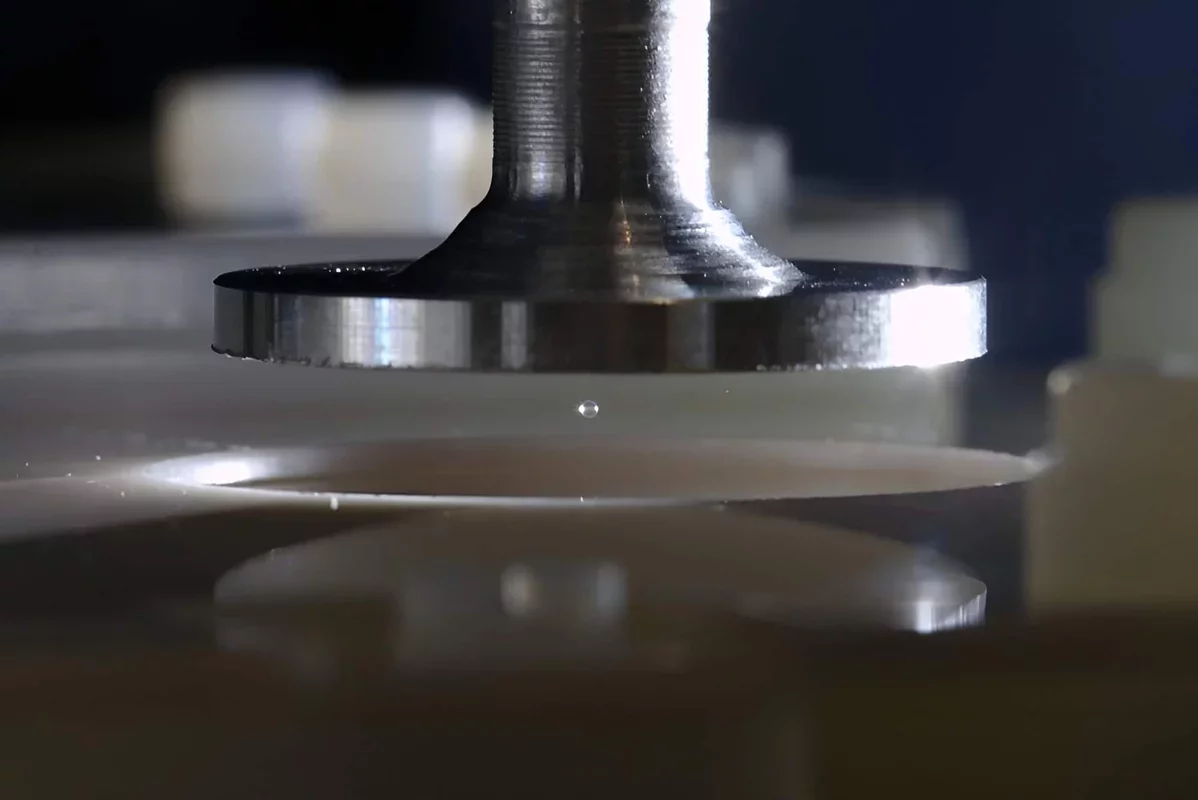
To measure the static charge of silica particles without physical contact, the researchers employed acoustic levitation. By using sound waves to suspend a silica bead, they could simulate collisions and accurately measure the resulting electrical charge without contamination from handling.
Through this method, they discovered that some silica particles consistently acquired a positive charge while the plate took on a negative charge, with the interactions occasionally reversing. Initially, humidity was suspected as a factor, but further investigation revealed a different culprit.
The Role of Environmental Carbon
The breakthrough came when the team baked the silica samples, which led to consistent negative charging outcomes. They identified that a thin layer of carbon-rich molecules, known as adventitious carbon, accumulated on the surface of silica over time. This layer significantly influenced the charging behavior of the particles.
Waitukaitis noted, "A layer less than one molecule thick is enough to completely flip the sign of charging." This finding emphasizes the importance of surface contamination in understanding static electricity.
Implications for the Future
Understanding the influence of atmospheric carbon on static electricity opens new avenues for engineering applications, particularly in designing protective measures for astronauts and sensitive equipment against electrically charged space dust during future lunar and Martian missions.
Moreover, these insights may provide a deeper understanding of planetary formation processes, suggesting that static electricity played a crucial role in the early clumping of dust into protoplanets, potentially even contributing to the emergence of life on Earth.
As researchers continue to explore the intricate relationship between static electricity and environmental factors, we may uncover further insights into the fundamental processes that shape our universe.