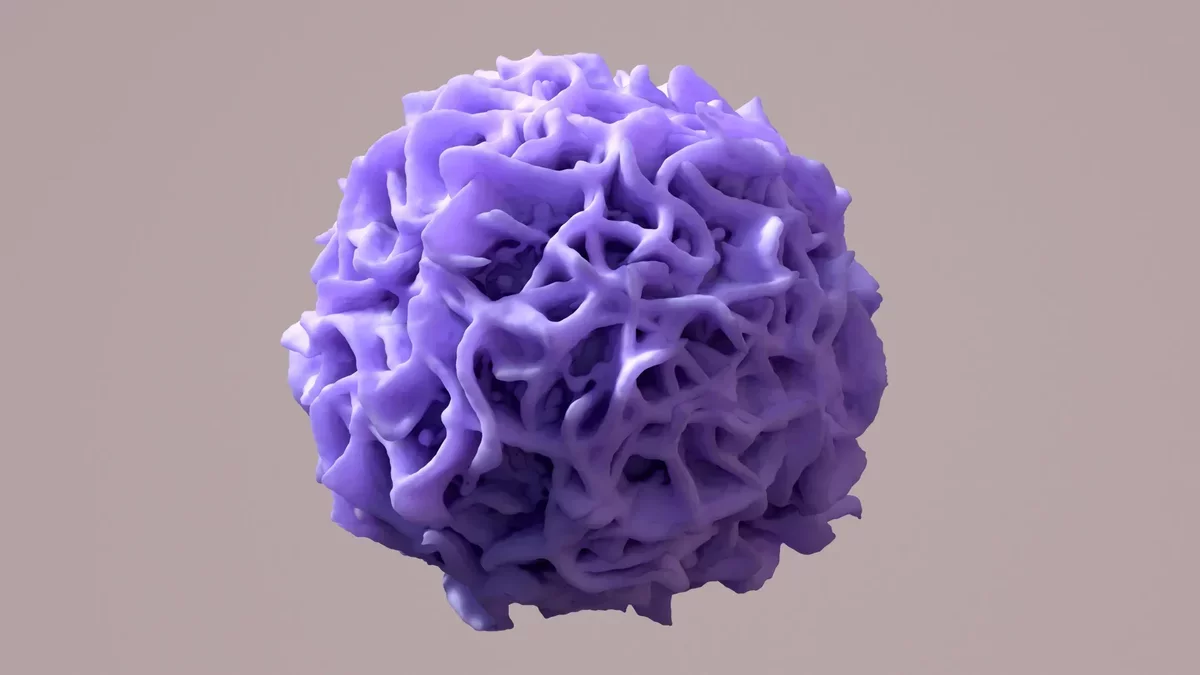
Macrophages, essential immune cells located throughout various tissues, are often referred to as the body's "cleaning and maintenance team." These cells play a crucial role in eliminating pathogens, clearing away dead cells, recycling materials like iron, and ensuring normal tissue function. While macrophages adapt their behavior to meet the specific needs of each organ, they maintain a core identity that enables them to perform these vital tasks. Until recently, the mechanisms preserving this shared identity across different tissues and species were not fully understood.
In a groundbreaking study led by Professor Thomas Marichal from the Immunophysiology Laboratory at ULiège, researchers identified MafB, a transcription factor, as a key genetic switch that directs macrophages toward optimal functionality. As monocytes, the immature precursor cells, differentiate into tissue macrophages, MafB levels progressively increase, guiding their maturation. Without MafB, macrophages remain immature and lack the capability to effectively protect the tissues they inhabit. "Our findings indicate that MafB acts as a master regulator, providing macrophages with their identity and the necessary tools to support organ health," states immunologist Marichal. "In the absence of this guiding program, these cells exist but are not fully functional."
Conserved Genetic Program Across Species
At the molecular level, MafB orchestrates a comprehensive network of genes that regulate vital macrophage functions, such as phagocytosis--the process of engulfing harmful particles and cellular debris--and maintaining tissue homeostasis. The research revealed that this regulatory program is remarkably conserved from mice to humans and across vertebrates, highlighting its essential biological significance.
The consequences of losing this genetic framework extend beyond immune defense. The team discovered that impaired macrophage maturation could adversely affect multiple organs, leading to issues in iron recycling within the spleen and normal functioning of the lungs, intestines, and kidneys. These insights underscore the profound role macrophages play in the body's overall physiological equilibrium. "Our results illustrate that a shared genetic program, preserved through evolution, underpins the specialization of macrophages across various tissues," explains Domien Vanneste, the study's first author. "This elucidates how these cells can adapt to different organs while retaining their fundamental identity."
Implications for Chronic Disease and Treatment
This discovery carries significant medical implications, as dysfunctional macrophages are implicated in numerous chronic conditions, including inflammatory disorders, fibrosis, infections, and metabolic diseases. By targeting MafB or the biological pathways it influences, researchers may potentially restore healthy macrophage function and enhance tissue health in a variety of diseases.
In summary, the findings position MafB as a central, evolutionarily conserved regulator of macrophage development, identity, and function, providing new insights into how the immune system supports and protects the health of multiple organs.