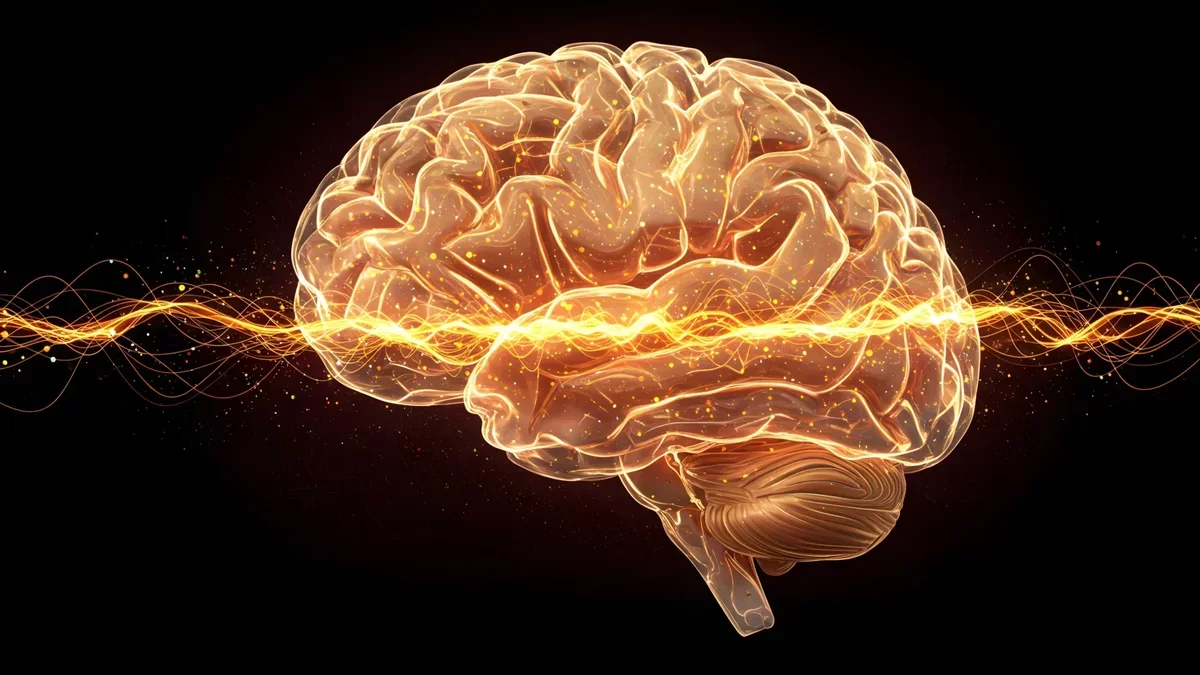
Recent research published in the Journal of Neuroscience has unveiled significant insights into chronic pain mechanisms, focusing on the caudal granular insular cortex (CGIC). This study, conducted on animal models, reveals that deactivating this particular brain circuit can not only prevent the onset of chronic pain but also alleviate it once established.
According to Linda Watkins, a distinguished professor of behavioral neuroscience, the research utilized cutting-edge techniques to identify the key brain circuit responsible for determining whether pain transitions into a chronic state. "When this critical decision-maker is silenced, chronic pain does not manifest. If it is already present, the pain diminishes," Watkins explained.
Advancements in Neuroscience
The study arrives amidst a surge of innovation in neuroscience, a phenomenon described as a "gold rush" by first author Jayson Ball. This progress is largely attributed to advanced methodologies that enable precise control over specific neuronal groups, allowing scientists to map out the intricate neural pathways associated with chronic pain.
Such detailed understanding is expected to pave the way for innovative treatments, including targeted therapies and brain-machine interfaces, which may serve as safer alternatives to traditional opioid medications.
The Challenge of Chronic Pain
Chronic pain affects approximately one in four adults, with nearly 10% reporting significant interference in daily activities, according to the Centers for Disease Control. Unlike acute pain, which serves as a warning signal following an injury, chronic pain persists long after the initial injury has healed, often creating a false sense of alarm.
Watkins emphasizes the importance of understanding why pain continues unresolved, stating, "The question of how pain fails to subside remains a crucial area of research."
Previous investigations by Watkins' team have indicated that the CGIC plays a vital role in pain sensitivity, with evidence suggesting that this small brain region is often overactive in individuals suffering from chronic pain.
In this latest study, researchers employed fluorescent proteins to track neuron activity following a sciatic nerve injury in rats, utilizing advanced "chemogenetic" techniques to manipulate gene expression within targeted neurons. The findings indicate that while the CGIC is not crucial for immediate pain perception, it is essential for the maintenance of chronic pain.
Innovative Treatment Possibilities
The CGIC communicates with the somatosensory cortex, which processes touch and pain, instructing the spinal cord to continue relaying pain signals. Ball noted that activating this pathway can cause even light touch to be perceived as painful.
By disabling this circuit shortly after an injury, researchers observed that the animals experienced only temporary pain. In cases of established chronic pain, turning off the pathway led to significant relief.
While further research is necessary to identify the triggers for the CGIC's persistent pain signals, the findings suggest promising new avenues for treatment. Ball envisions a future where targeted injections or brain-machine interfaces could help manage chronic pain effectively, minimizing the risks associated with opioid use.
"With access to tools that allow manipulation of specific brain cell populations, the pursuit of effective treatments is accelerating," he concluded.