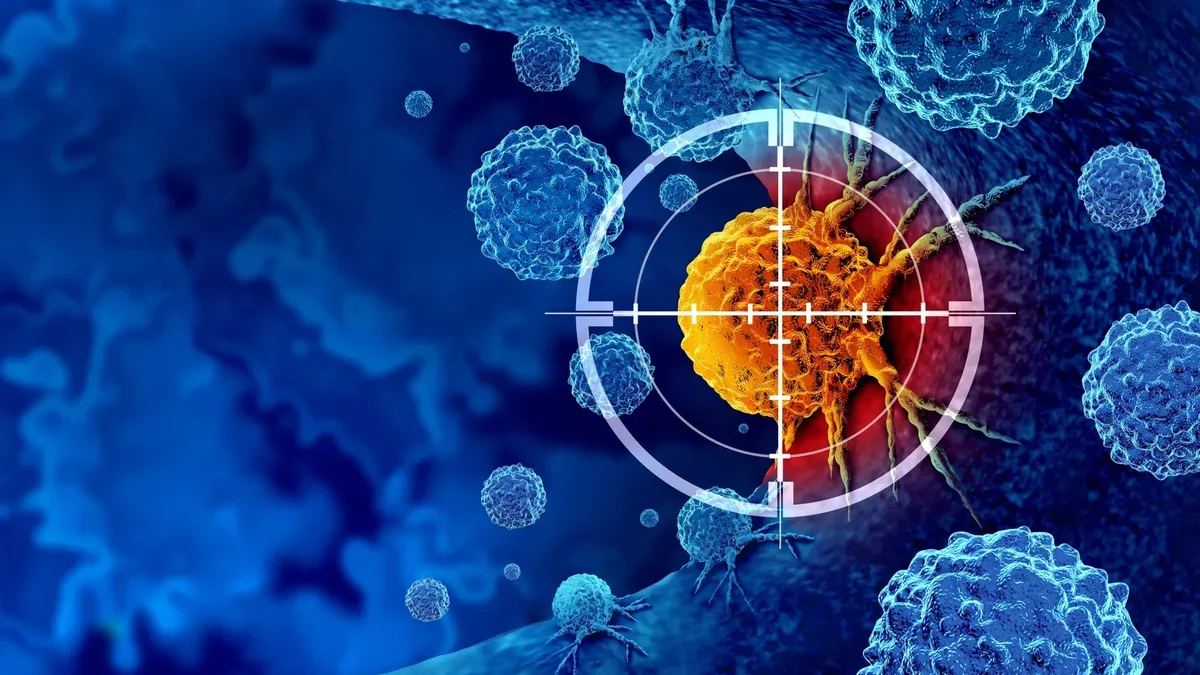
Recent research published in Nature unveils a groundbreaking approach that could empower scientists to program T cells, enhancing their long-term immune memory and cancer-fighting capabilities. This discovery holds promise for advancing cancer immunotherapy and combating infectious diseases.
CD8 killer T cells play a crucial role in our immune defense by targeting and destroying virus-infected and cancerous cells. However, when confronted with persistent infections or tumors, these cells can enter a state known as T cell exhaustion, leading to diminished effectiveness over time.
Mapping T Cell States
Distinguishing between protective and exhausted T cells can be challenging, as they often appear similar. To tackle this issue, researchers sought to differentiate these states based on their genetic activity.
A significant advancement was achieved by creating a comprehensive genetic atlas that outlines various CD8 T cell states. This atlas illustrates the transition of these immune cells from highly effective to significantly impaired.
"Our ultimate aim is to enhance immune therapies by formulating clear 'recipes' for T cell design," explains co-corresponding author Susan Kaech, PhD, from the Salk Institute. "Identifying the unique molecular components active in different T cell states was essential for engineering precise immune responses."
Reversing T Cell Exhaustion
To investigate the regulation of these immune states, the team analyzed nine distinct CD8 T cell conditions using advanced laboratory techniques, genetic tools, mouse models, and computational analysis. Their findings highlighted specific transcription factors that serve as switches, directing T cells toward sustained activity or exhaustion.
Among these factors, ZSCAN20 and JDP2 were identified as novel regulators of T cell exhaustion. Disabling these genes enabled exhausted T cells to regain their tumor-fighting abilities while preserving their long-term immune memory.
"By manipulating specific genetic switches, we aimed to restore the tumor-killing function of T cells without compromising their long-term immune protection," states co-corresponding author H. Kay Chung, PhD, who initiated this research at the Salk Institute. "Our results confirmed that separating these outcomes is indeed feasible."
This research challenges the prevailing view that immune exhaustion is an inevitable consequence of prolonged immune activation.
Engineering Enhanced Immune Responses
The genetic atlas developed by the researchers may guide the creation of more robust immune cells for therapies such as adoptive cell transfer (ACT) and CAR T cell therapy.
"With this map, we can provide T cells with clearer instructions, helping them retain traits essential for fighting cancer or infections over the long haul while minimizing pathways that lead to burnout," Kaech remarks. "By distinguishing these two programs, we can design immune cells that are both resilient and effective against cancer and chronic infections."
This discovery could be particularly transformative for treating solid tumors, where immune exhaustion often hampers therapeutic success.
Future Directions with AI
Looking ahead, the research team aims to integrate advanced experimental methods with AI-driven computational modeling to develop more precise genetic "recipes" for programming T cells into specific functional states, enhancing the precision of cellular therapies.
"Understanding the complex regulatory networks of genes is crucial, and powerful computational tools will help identify which regulators influence specific cell states," notes co-corresponding author Wei Wang, PhD, from UC San Diego. "This study paves the way for precisely manipulating immune cell fates, unlocking new possibilities for enhancing immune therapies."
By revealing how killer T cells navigate between resilience and exhaustion, this research brings scientists closer to intentionally directing immune responses rather than passively observing their decline during prolonged illness.