Maritime energy startup Bluecore Energy has raised $10 million in a pre-seed round led by Slauson & Co., giving momentum to its plan for floating nuclear power systems.
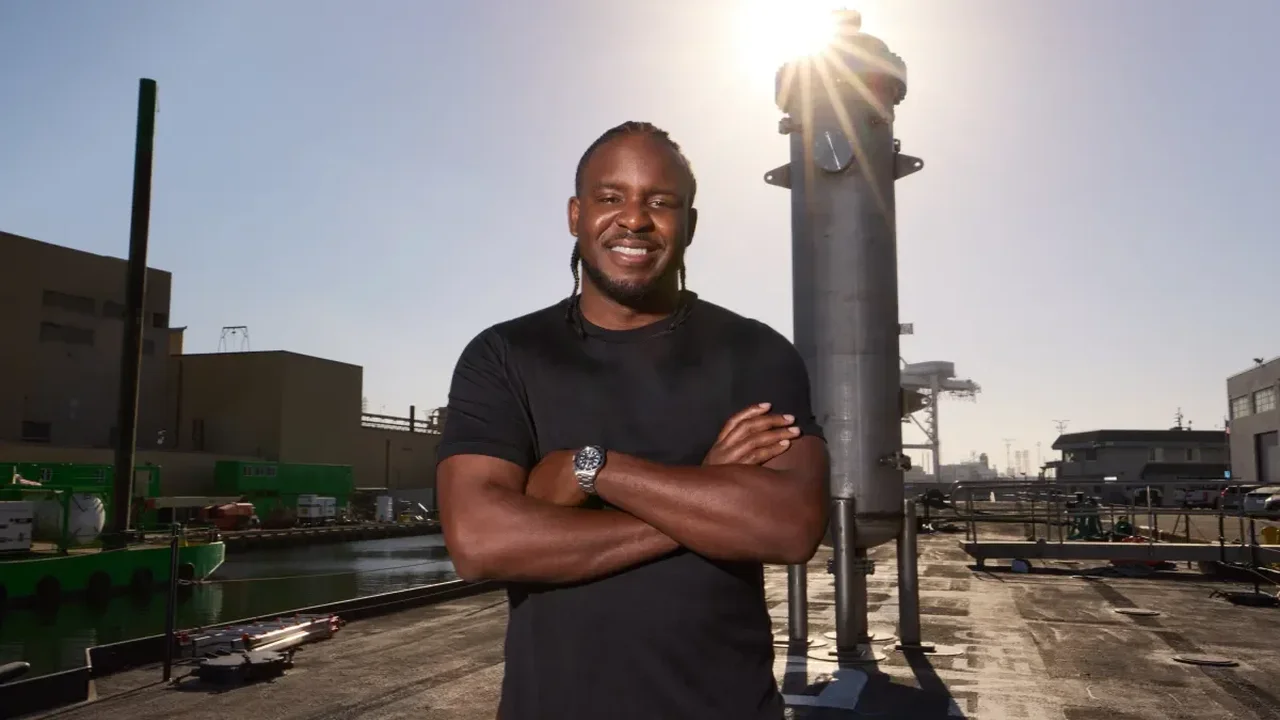
Founded seven months ago by Kofi Asante, the company is designing small modular reactors on barges to supply clean electricity for ports and nearby infrastructure. The system uses established water-cooled nuclear technology, where heat turns water into steam, driving a turbine to produce power in a closed-loop setup.
Bluecore says its barges are built for mobility, allowing energy units to be transported by ship and redeployed at new locations with minimal operational complexity. The company also says each unit would need refueling only every few years, supporting long-term use with fewer interruptions.
Another key part of the concept is flexibility: the barges can be docked near communities or connected to the grid through subsea cables. Bluecore estimates one unit could support the equivalent of about 15,000 homes or help meet the needs of a major port.
The startup says the new capital will support deployment work. It has already secured a port terminal, a barge, and a test reactor pressure vessel to validate its design. Bluecore is also working with regulators and building multiple layers of safety, including steel and concrete shielding around the reactor core.
As data centers continue to expand, Bluecore sees an opportunity to deliver dedicated clean power for energy-intensive digital infrastructure. With backing from investors including Harlem Capital, Precursor Ventures, Chris Larsen, and Hartbeat Ventures, the company is positioning floating nuclear systems as a new model for resilient energy access. If successful, this approach could shape how future coastal energy networks are designed.