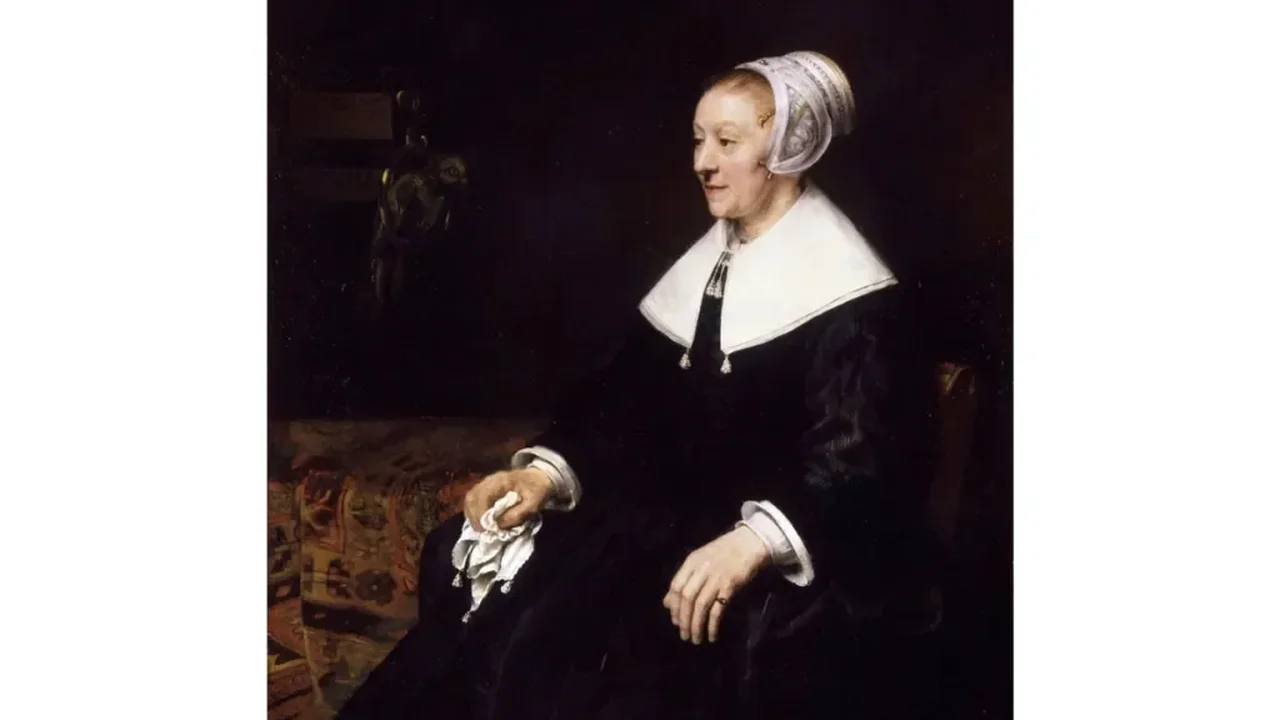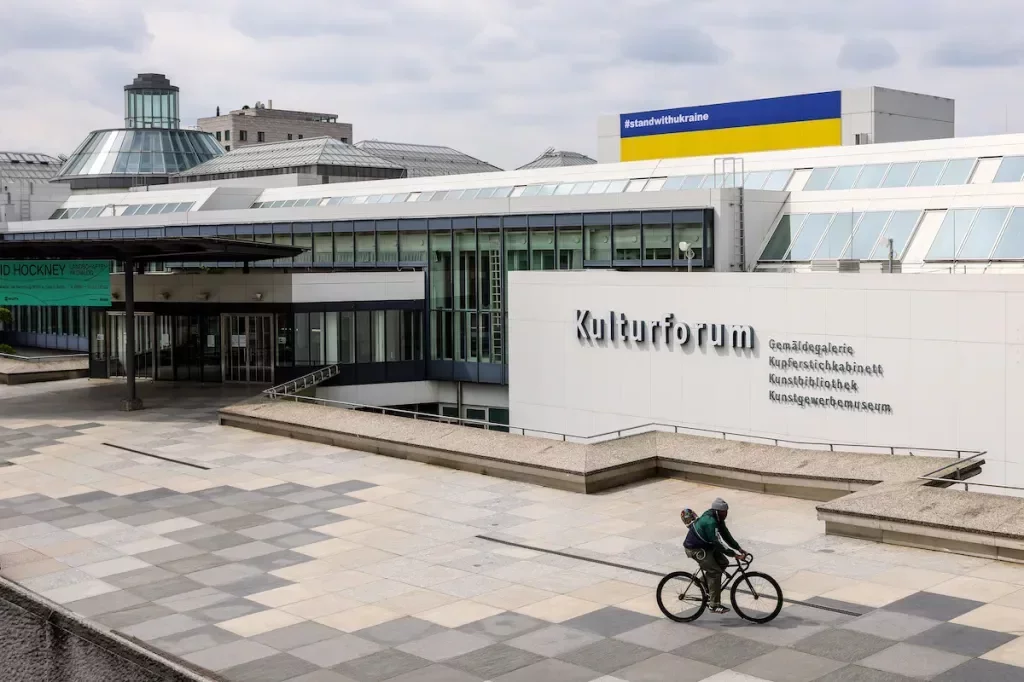
In a remarkable initiative, the Gemäldegalerie in Berlin is set to unveil online access to hundreds of paintings that were lost during the tumultuous years of World War II. This includes notable works by renowned artists such as Peter Paul Rubens, Paolo Veronese, Anthony van Dyck, and Caravaggio.
The museum's extensive collection of Old Master paintings suffered significant damage due to two fires at the end of the war. However, thanks to a digitization project utilizing high-resolution glass negatives, these masterpieces are being resurrected in digital form. This project is based on a photo-documentation campaign initiated in 1925, which has now become a vital resource for restoring the visual history of these artworks.
As reported by the Art Newspaper, the glass negatives, primarily captured by German photographer Gustav Schwarz, hold immense documentary value. They provide critical insights into the provenance, attribution, and conservation of the lost works. "The losses have long represented a major gap in the visual record," noted the publication.
Katja Kleinert, the deputy director of the Gemäldegalerie and the project leader, emphasized the transformative impact of digitizing these negatives. "By digitizing the glass negatives, the significance of the collection can be understood in a completely new way," she stated, highlighting the initiative's value not just for the museum, but for the public as well.
To create the new digital images, the museum's team carefully rephotographed the glass negatives using high-resolution equipment, ensuring the delicate plates remained undisturbed. Franziska May, a provenance research associate at the museum, remarked on the remarkable preservation of the collection, noting that only a few plates exhibited any damage.
Once the digital images are uploaded--anticipated later this year--art enthusiasts and scholars will have the opportunity to explore these works in detail, zooming in on specific elements and even downloading the images. This initiative not only revives lost art but also enriches our understanding of cultural heritage.
This innovative approach to art preservation and accessibility is poised to reshape how we interact with historical artworks, paving the way for future advancements in digital archiving and public engagement with art.