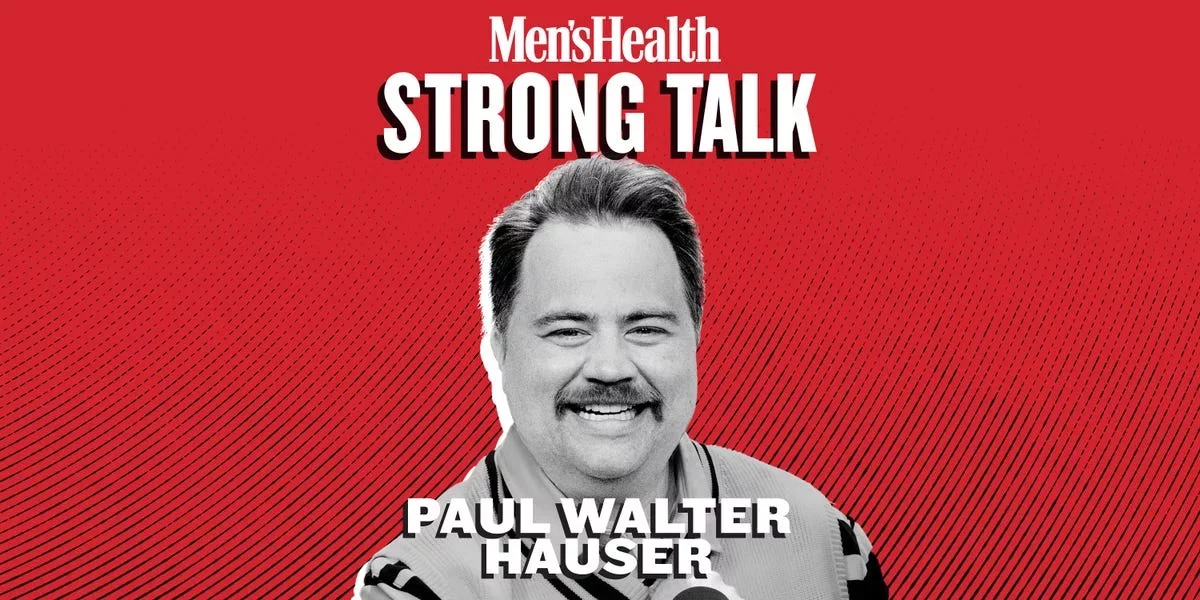
Paul Walter Hauser is an actor known for his remarkable ability to adapt across various genres. Recently, he starred in the film Balls Up alongside Mark Wahlberg, but his talent extends beyond the screen. Hauser has also portrayed characters like Stingray in Cobra Kai and the infamous Larry Hall in Black Bird. In addition to acting, he is a professional wrestler, showcasing his versatility in performance.
Hauser's roles often demand significant physical transformations, which can be challenging. In a recent interview, he shared insights about his weight management journey, revealing that he lost 70 pounds after leaving behind a California-sober lifestyle. This shift has led to fluctuations in his weight as he prepares for various roles.
At 39, Hauser engaged in a conversation with exercise physiologist Dr. Pat Davidson and fitness director Ebenezer Samuel about his body transformations and their effects on his mental health. They discussed the significance of tracking progress beyond just the scale, emphasizing the importance of body composition and overall fitness metrics.
Hauser recounted a memorable experience while shooting in Bogota, Colombia, where he involved his son in his fitness routine. "I would put him on my shoulders while sightseeing and do 50 to 100 squats," he said. This approach not only helped him stay active but also fostered a deeper connection with his child.
While Hauser acknowledges that weighing oneself can be emotionally charged, he has shifted his focus towards more holistic measures of health, such as Body Mass Index (BMI) and body composition. Dr. Davidson supports the idea that scales can still play a role in monitoring weight loss, especially when combined with performance metrics in the gym.
Hauser's journey exemplifies the evolving perspective on fitness and body image, showing that progress can be measured in various ways. His story serves as an inspiration for those navigating similar challenges, highlighting the importance of balance in achieving personal goals.
As the landscape of fitness continues to evolve, the emphasis on mental well-being alongside physical health will likely shape future approaches to wellness, encouraging a more inclusive understanding of what it means to be fit.