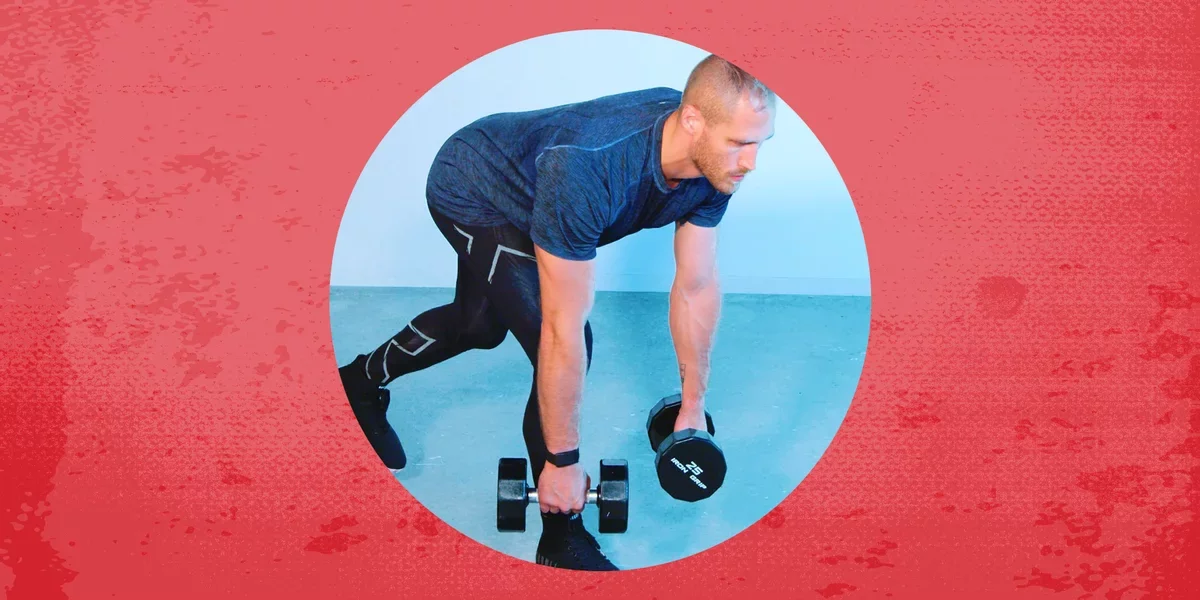
To enhance your lower body training, incorporating unilateral exercises, such as the single-leg deadlift, can significantly improve muscle balance and strength. While it may seem counterintuitive, focusing on one side of the body allows for targeted strength gains and correction of muscular imbalances.
The single-leg deadlift offers a unique challenge compared to its bilateral counterpart. This exercise not only tests your balance but also enhances your athletic performance and single-leg strength. However, improper technique can make it difficult to lift heavier weights, which are essential for building strength. To execute this move effectively, proper form is crucial, and many trainers may inadvertently teach a version that could hinder performance.
Fitness experts Ebenezer Samuel, C.S.C.S., and Brett Williams, NASM, share their insights on performing the single-leg deadlift correctly, ensuring you can integrate it into your routine without compromising your progress or stability.
Steps to Perform the Single-Leg Deadlift
- Begin by standing with your feet hip-width apart, holding a pair of dumbbells. Engage your shoulder blades, core, and glutes to create tension.
- Lift one foot slightly off the ground, maintaining balance.
- Push your hips back and hinge at the waist, lowering your torso towards the floor while keeping your shoulders and hips aligned.
- Descend until you feel a stretch in your hamstring or your back begins to round.
- Pause at the lowest point, maintaining balance without letting your elevated foot touch the ground.
- Drive through your standing leg to return to the starting position, squeezing your glute at the top.
- Repeat for the desired number of repetitions while keeping your non-working foot elevated.
Samuel emphasizes several key points to enhance your form:
Engage Your Back
The single-leg deadlift targets the hamstrings and glutes, but it also engages the entire posterior chain. Keeping your back engaged helps protect your shoulders and maintain proper alignment, especially as you increase the weight.
Avoid Overextending
While it's common to extend the non-working leg back to maintain balance, this can complicate the movement. Instead, focus on keeping your back foot off the ground, allowing you to manage heavier weights more effectively.
Maintain Balance
Strive to complete the exercise without your non-working foot touching the ground. If necessary, allow it to touch occasionally, but aim to improve your balance over time.
Limit Your Range
Keep your back straight throughout the movement. You may need to stop lowering your torso before reaching parallel to the ground, especially if you have tight hamstrings or back issues. Prioritize maintaining a flat back to avoid injury.
Muscles Targeted
This compound exercise primarily works the posterior chain, with a specific focus on the hamstrings and glutes, while also engaging your core for stability.
Benefits of the Single-Leg Deadlift
This exercise allows for isolation of the hamstrings and glutes, fostering strength and size gains. It also enhances balance and athleticism, preparing you for standard bilateral movements like squats and traditional deadlifts.
Incorporating the Single-Leg Deadlift
Consider adding the single-leg deadlift as a supplementary exercise to your lower body routine, starting with 3 sets of 8 to 10 reps, gradually increasing the weight as you gain confidence and balance.
As you master this technique, you'll not only improve your strength but also lay a solid foundation for more complex movements in your fitness journey.