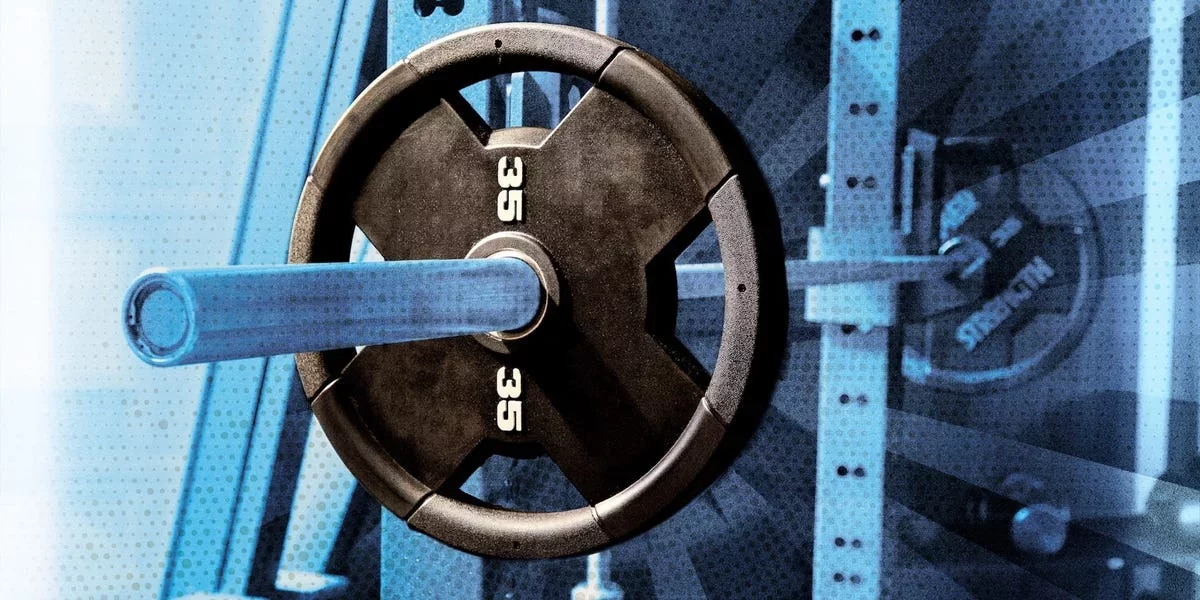
For anyone training with barbells, knowing how to calculate the total load is a small skill that saves time and builds confidence. The key rule is simple: always include the bar when counting weight.
Start with the bar
In many gyms, a standard full-size barbell weighs 45 pounds, or about 20 kilograms. That means the number you say you lifted includes both the plates and the bar itself. If your gym uses a different setup, check the label on the bar or ask staff before loading.
Olympic-style bars are typically seven feet long with two-inch sleeves, while some home-gym bars are lighter and narrower. Smith machines and other fixed equipment are different: instead of calculating the machine's bar weight, it is usually enough to record the total plates you added.
A quick formula
To find the total load, add the plates on one side, double that amount, then add the bar weight. For example, a 45-pound plate and a 25-pound plate on each side equals 185 pounds total.
For faster training sessions, many lifters memorize common setups. With a 45-pound bar, a pair of 5s equals 55 pounds, a pair of 10s equals 65, and a pair of 25s equals 95. Once heavier plates come into play, familiar milestones like 135, 225, 315, and 405 pounds become easy reference points.
Kilos, colors, and conversions
In kilo-based gyms, the same logic applies. A 20-kilogram men's bar and a 15-kilogram women's bar create different totals, so it helps to learn the standard combinations for each. Color-coded plates also make loading faster, especially in Olympic lifting spaces.
If you move between pounds and kilograms, a simple mental shortcut is useful: multiply kilos by 2.2 to estimate pounds, or divide pounds by 2.2 to estimate kilos. Fitness apps and online calculators can also help beginners verify their numbers and build speed over time.
As more training tools become digital and intuitive, barbell setup may become even more seamless for lifters at every level.