Incorporating proper breathing techniques into your weightlifting routine can greatly enhance your performance and safety. While many individuals go through their daily lives without much thought to their breathing, the moment they step into the gym, questions about how to breathe effectively can arise. Should you exhale or inhale during specific lifts? What happens if you hold your breath?
Different lifting techniques and personal fitness goals can lead to varying recommendations regarding breath control. To clarify, let's explore whether breath-holding is beneficial during lifts and how one should approach breathing during workouts.
Is Breath-Holding Beneficial for Weightlifting?
Many lifters, including those who focus on compound movements like squats and deadlifts, often utilize a technique known as the Valsalva maneuver. This involves holding your breath to create intra-abdominal pressure, which helps stabilize the torso and protect the spine during heavy lifts. This method can enhance your ability to lift heavier weights effectively.
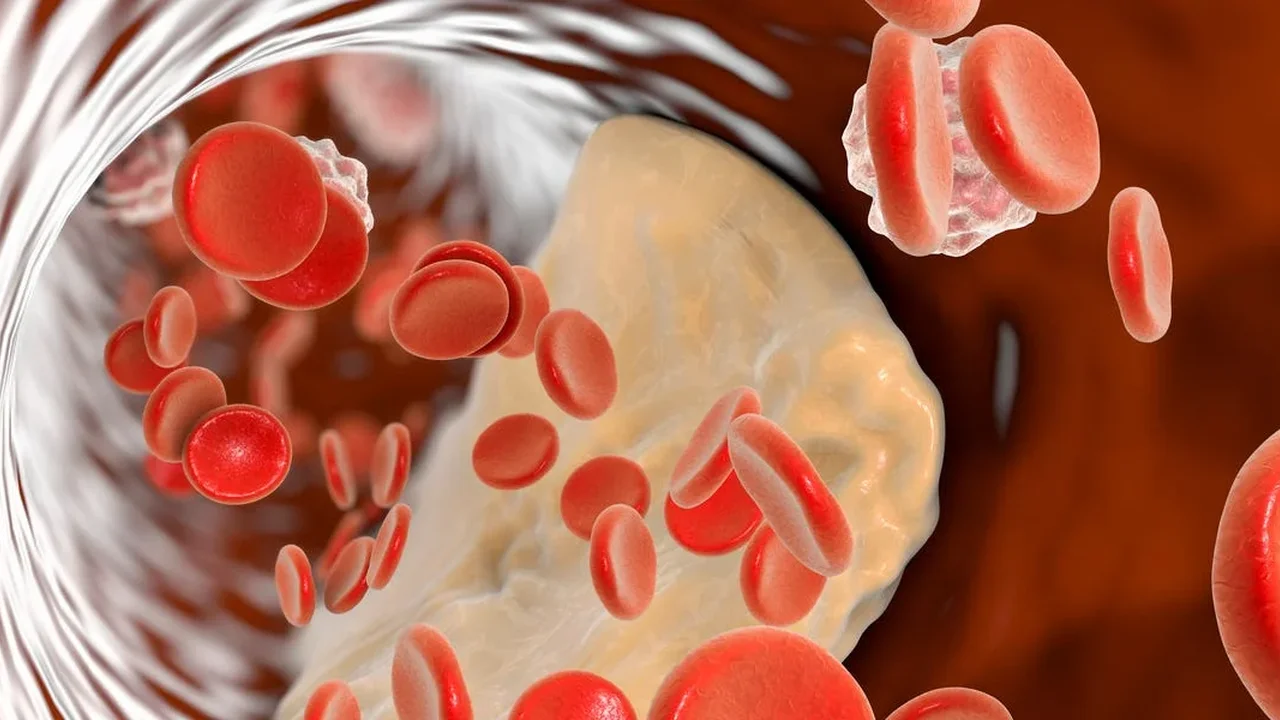
However, while this technique is beneficial for many, it is essential to note that it may not be suitable for everyone. The Valsalva maneuver can lead to a temporary increase in blood pressure, which may cause dizziness or fainting in some individuals, particularly if they hold their breath for extended periods. Organizations such as the American Heart Association advise that beginners and those with cardiovascular concerns should avoid breath-holding during lifts. Additionally, it is not recommended for pregnant individuals due to potential risks to the placenta.
For those who choose to use the Valsalva maneuver, it's important to hold your breath during each repetition, inhaling and exhaling between sets. A helpful analogy is to imagine squatting in a pool--hold your breath when submerged and breathe when standing.
How to Breathe During Weightlifting
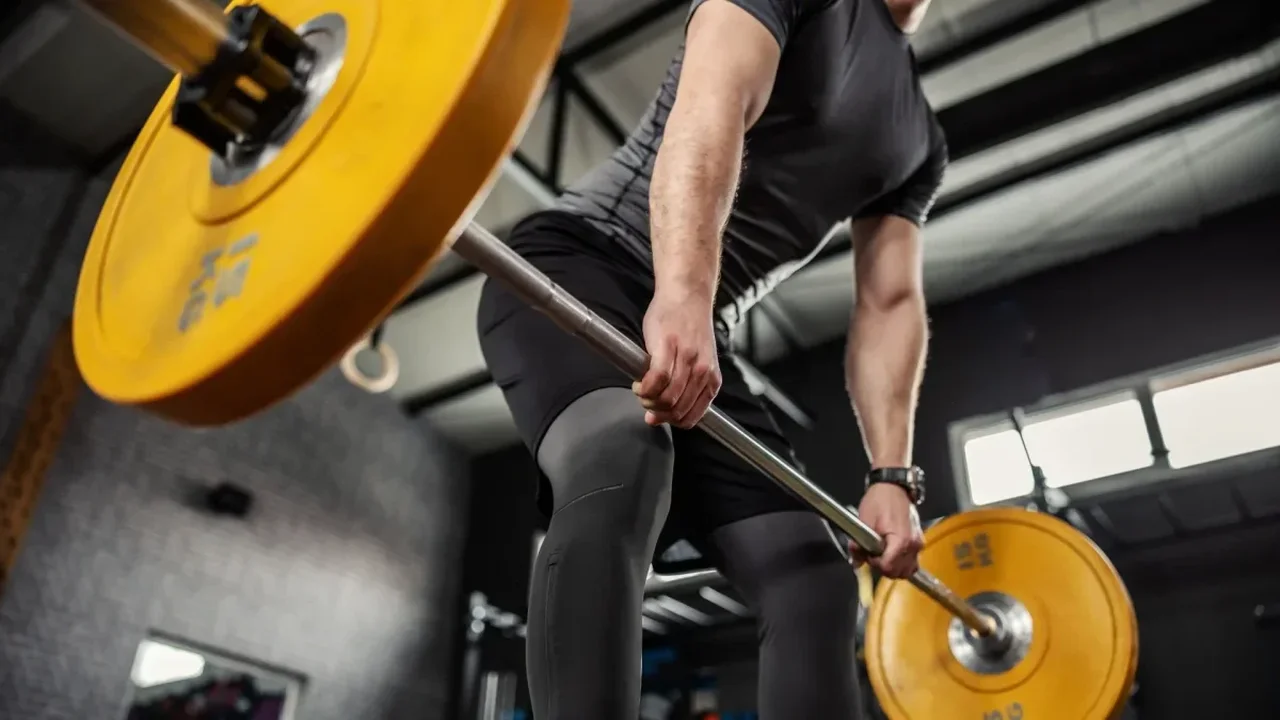
While there is no definitive 'wrong' way to breathe, a common guideline is to exhale during the most challenging phase of the lift and inhale during the easier phase. For instance, during a squat, you would breathe in as you lower yourself and exhale when pushing up. This principle applies similarly to deadlifts, where you would exhale while lifting the weight and inhale as you lower it.
Understanding how to manage your breath can not only enhance your lifting performance but also contribute to a safer workout environment. As fitness enthusiasts continue to explore the intricacies of weightlifting techniques, mastering breath control may lead to improved results and a more enjoyable experience in the gym.
Looking ahead, as more individuals become educated about the importance of breath control in weightlifting, we may see a shift toward more effective training methods that prioritize health and performance.