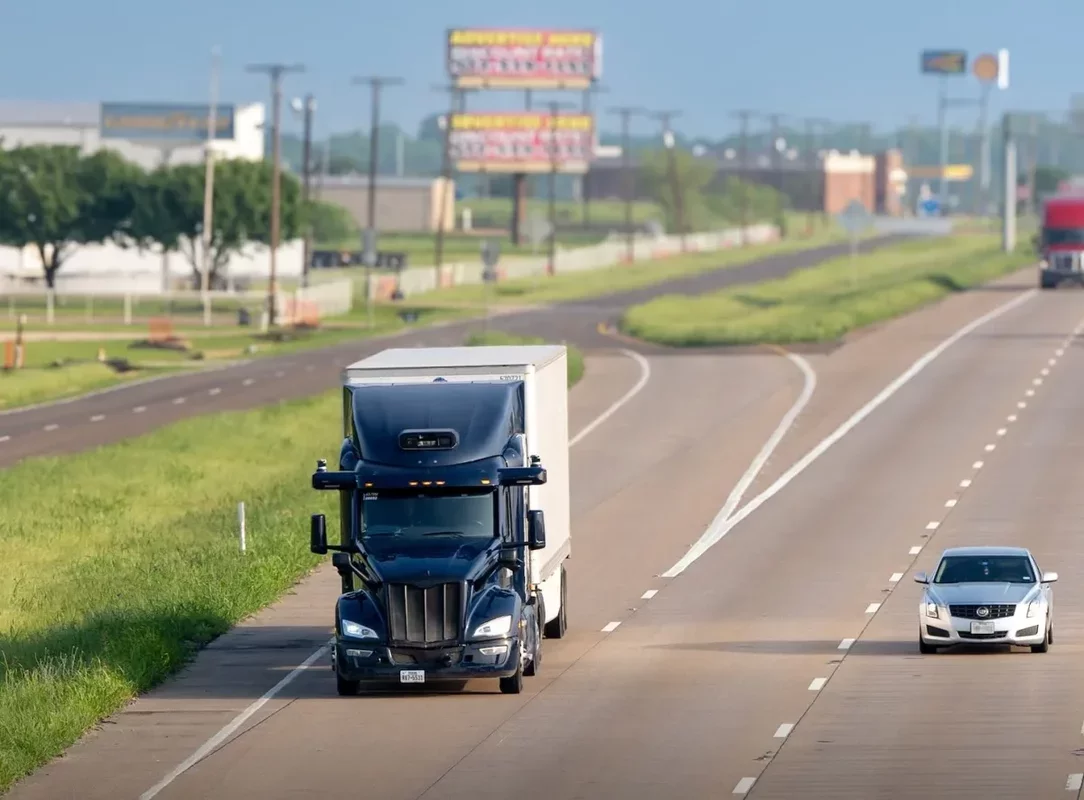
Aurora's self-driving trucks have successfully completed a continuous journey of 1,000 miles between Fort Worth and Phoenix, surpassing the legal limitations placed on human drivers.
This significant distance not only enhances operational efficiency for Aurora but also presents promising financial opportunities for companies aiming to integrate autonomous technology into freight transportation.
The company reports that its driverless trucks can transport goods across this extensive route in approximately 15 hours. In contrast, human drivers face longer travel times due to federal regulations that restrict driving hours. For example, drivers are required to take a 30-minute break after eight hours of driving and can only operate for a maximum of 11 hours at a stretch, followed by a mandatory rest period of 10 hours.
"This is not just a technological milestone," stated Chris Urmson, co-founder and CEO of Aurora, during the recent earnings call. "It signifies the beginning of a new era for freight transportation."
The economic advantages of this innovation are appealing to various clients, including Uber Freight and FedEx. Aurora claims that it can potentially halve transit times, a fact that has already attracted early partners like Hirschbach on the Fort Worth-to-Phoenix route.
Aurora has expressed plans to broaden its operations throughout the Sun Belt region of the United States. Currently, the company runs driverless trucks, some with human monitors, on routes linking Dallas to Houston, El Paso to Phoenix, and more.
This expansion marks a pivotal shift for Aurora, transforming it from a developer of autonomous trucks into a commercial entity generating revenue through its driverless logistics services.
Since launching its driverless trucking service in April 2025, Aurora has reported earnings, with $1 million in the fourth quarter and $3 million for the entire year, according to recent disclosures. The total adjusted revenue, including pilot programs initiated earlier, reached $4 million.
While this revenue is modest compared to the company's expenses, it reflects a notable improvement from 2024, when no revenue was recorded. Aurora anticipates continued revenue growth as it increases its fleet and expands driverless routes. Currently, the company operates 30 trucks, with plans to grow this number to over 200 by year-end. As of January 2026, Aurora's trucks have accumulated 250,000 miles of driverless travel with an impeccable safety record.
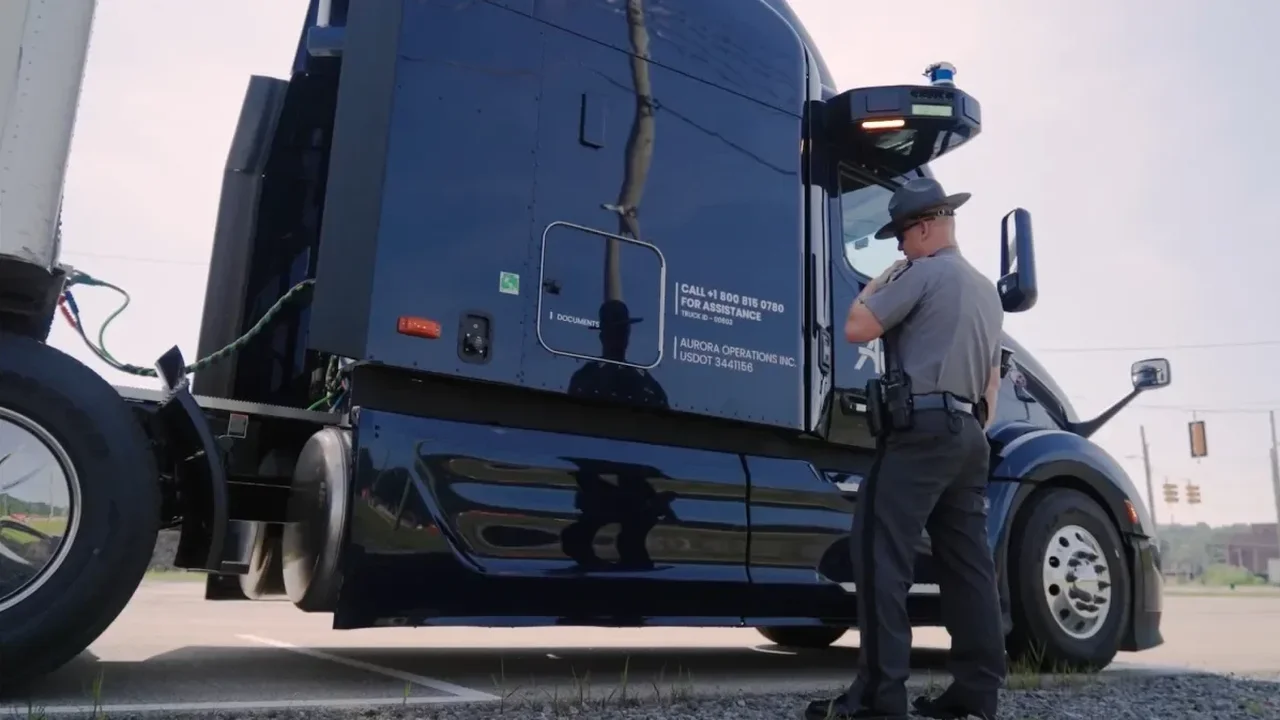
In the upcoming second quarter, Aurora plans to deploy a fleet of driverless International Motors LT trucks, which will operate without a human observer, a significant advancement from its current fleet that includes human safety monitors as per manufacturer requirements.
Urmson remains optimistic about the company's future, driven by advancements in self-driving technology, the introduction of a cost-effective hardware kit, and the expansion of its autonomous routes. The recent software updates have enhanced the capabilities of Aurora's driverless systems to navigate the varied terrains and climates of the southern United States.
"Just as the last two years have brought robotaxis into the spotlight, we believe 2026 will be the year when the market acknowledges that self-driving trucks are here to stay," Urmson remarked. "In the Sun Belt by 2026, seeing an Aurora driver will be a common sight."
Aurora's current operations extend across Texas, New Mexico, and Arizona, with plans for future driverless routes in several states, including Nevada, Oklahoma, and Florida.