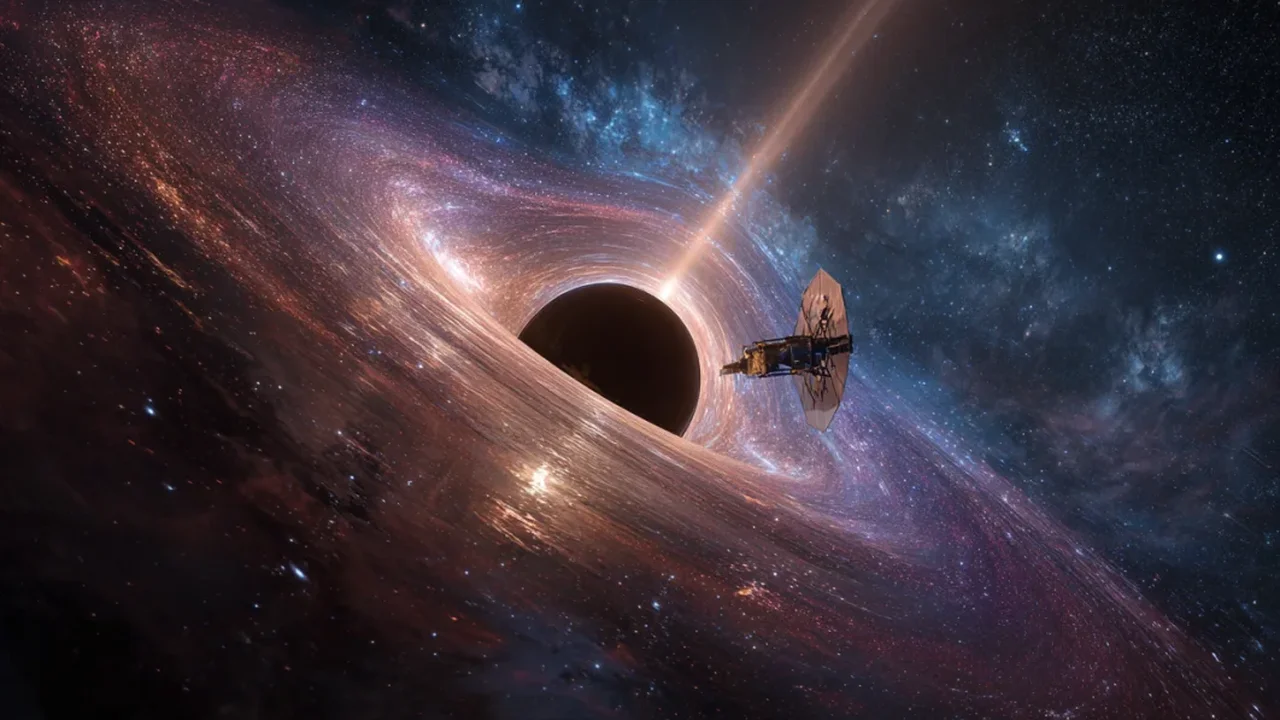
In a groundbreaking proposal, astrophysicist Cosimo Bambi from Fudan University has outlined an ambitious plan to launch a tiny, wafer-sized spacecraft toward the nearest black hole. This innovative mission aims to gather data on the most extreme phenomena in the universe and report back to Earth after a century-long journey.
Bambi describes the concept as straddling the line between advanced engineering and science fiction, with the necessary technology potentially becoming available within the next two to three decades. Following a journey of approximately seventy years, the spacecraft's data could reach Earth eighty to a hundred years post-launch.
Exploring the Mysteries of Black Holes
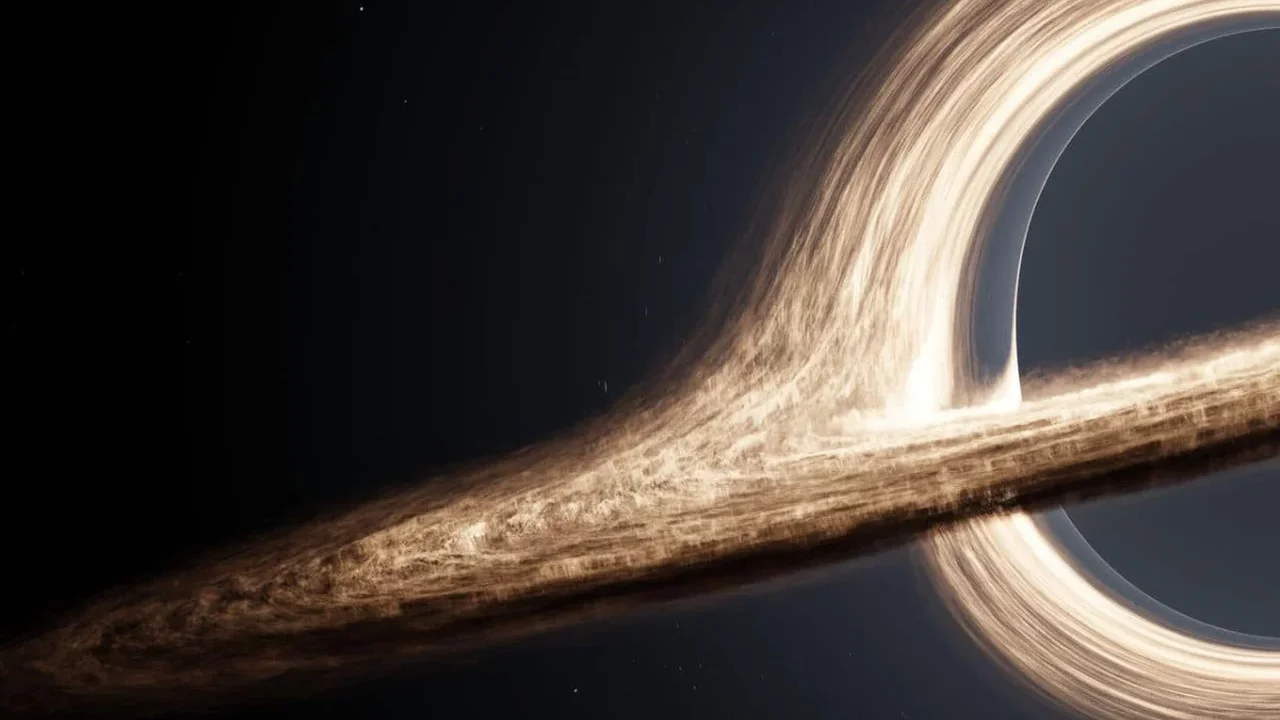
Black holes possess such intense gravitational forces that even light cannot escape, making them ideal subjects for testing the principles of Einstein's general relativity. Current methods, such as telescopes and gravitational-wave detectors, hint at the validity of Einstein's theories, yet limitations in data quality hinder precise analysis. A dedicated mission could eliminate these issues by sending instruments directly into the black hole's vicinity.
The closest known black hole, Gaia BH1, resides about 1,600 light-years away. However, Bambi suggests that many black holes may exist much closer, possibly within 20 to 25 light-years. Innovative detection techniques, such as observing starlight distortion or capturing faint radio signals, could help identify these nearby black holes in the coming decade.
Mission Mechanics
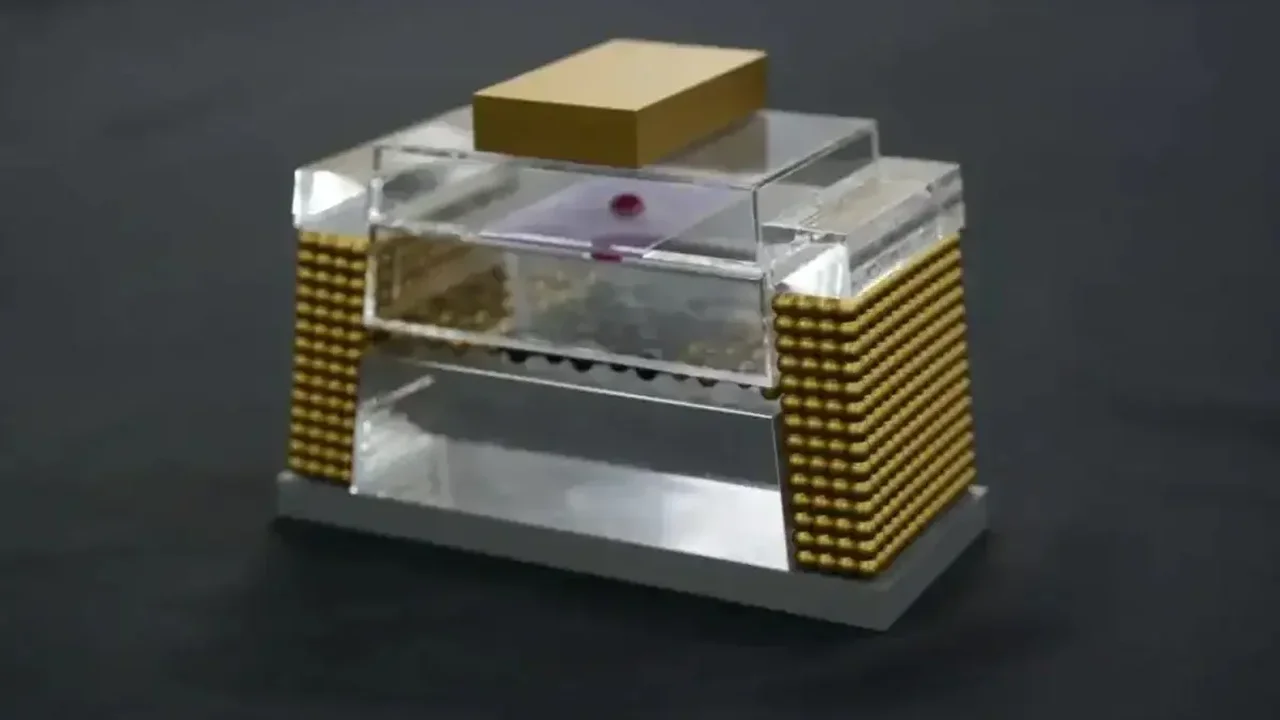
Traditional chemical rockets are inadequate for interstellar travel due to their heavy fuel requirements. Instead, Bambi proposes the use of nanocrafts equipped with light sails, propelled by ground-based laser arrays. This method could accelerate the spacecraft to one-third the speed of light in just minutes, enabling it to cover 25 light-years in approximately seventy-five years.
Once the probe reaches its destination, it will transmit scientific data back to Earth, which will take an additional twenty-five years to arrive.
Bambi envisions three key experiments that could revolutionize our understanding of black holes. The first involves sending two sister probes to orbit a black hole at varying altitudes to compare their clock rates and redshifts, confirming Einstein's predictions about spacetime. The second experiment would observe the event horizon in real-time, while the third would investigate potential shifts in fundamental constants within the strong gravitational field of a black hole.
Investment and Future Prospects
The initial cost of constructing the laser array is estimated at around one trillion dollars, but the rapid decline in laser technology costs could make this mission feasible. Despite the long wait for results, historical precedents in science, such as the detection of gravitational waves and black hole images, suggest that the eventual rewards could be monumental.
As Bambi aptly noted, "It may sound really crazy, and in a sense closer to science fiction. But history shows us that what seems impossible today may become reality tomorrow." This mission could provide humanity with unprecedented insights into the complex interplay of space, time, and matter.
The findings are detailed in the journal iScience.