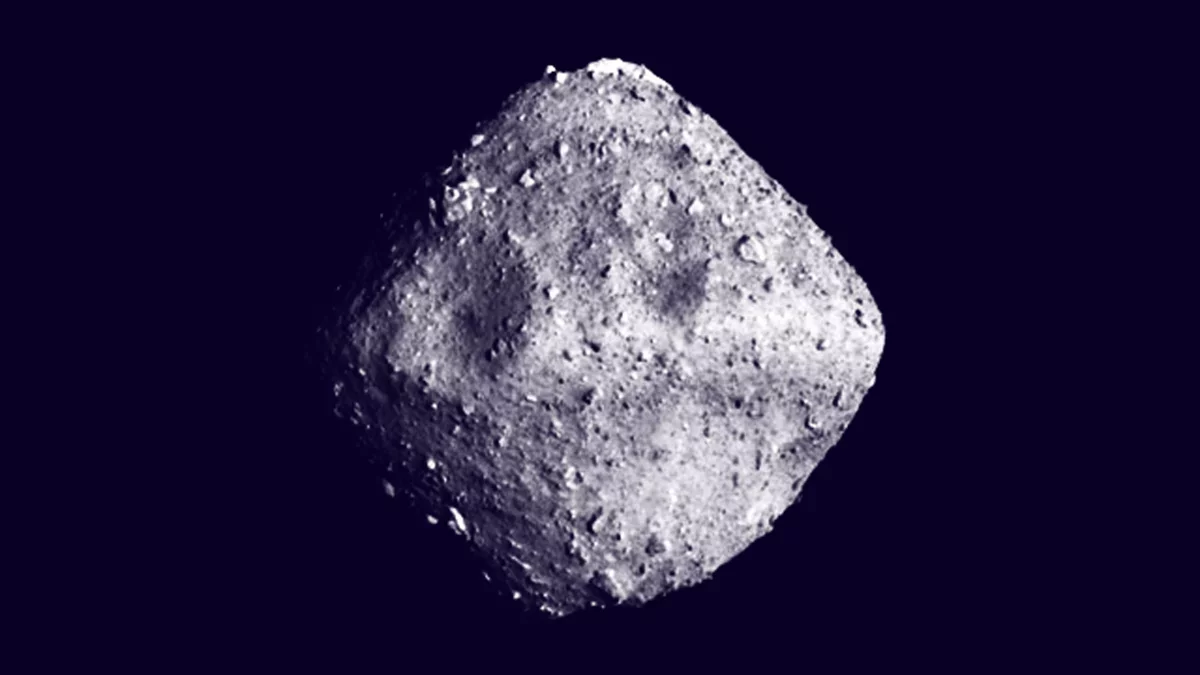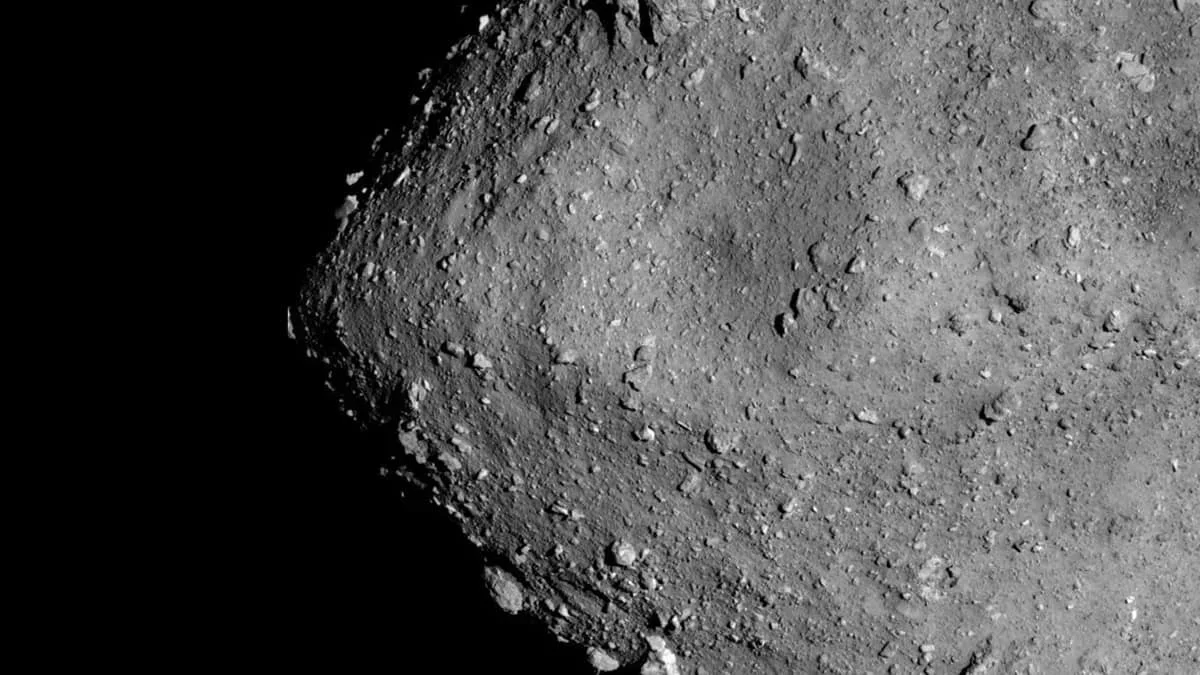
Asteroid Ryugu has emerged as a key player in unraveling the origins of life, with recent findings indicating that it contains all five essential nucleobases--the building blocks of DNA and RNA. This discovery supports the intriguing hypothesis that the fundamental ingredients for life may have originated in space, potentially arriving on Earth through cosmic materials.
A groundbreaking study published in Nature Astronomy highlights the presence of these nucleobases in samples collected by the Japan Aerospace Exploration Agency's (JAXA) Hayabusa2 spacecraft, which successfully returned to Earth in 2020. According to lead researcher Toshiki Koga, detecting all five nucleobases in extraterrestrial materials suggests that these vital molecules can form in the cosmos, reinforcing the idea that they may be widespread in primitive asteroid materials.
These nucleobases include adenine (A), guanine (G), cytosine (C), thymine (T), and uracil (U), each playing critical roles in genetic coding and cellular energy processes. The study's findings are particularly significant as they represent the first instance where all five nucleobases were found in a single sample from an asteroid, providing compelling evidence that prebiological molecules were likely prevalent in the solar nebula that formed our solar system over 4.5 billion years ago.
In addition to the nucleobases, Koga's team identified related molecules such as hypoxanthine and xanthine, which are not genetic materials themselves but contribute to the understanding of how DNA and RNA could form. Áine O'Brien, an astrobiologist at the University of Glasgow, emphasized that these findings could be pivotal in understanding the pathways that led to the emergence of life on Earth, suggesting that meteorites like Ryugu might have delivered essential components for life to our planet.
The research indicates that the ratios of nucleobases found in Ryugu correlate with the presence of ammonia, hinting at the chemical processes that could have occurred in the early solar system. These insights not only enhance our understanding of asteroids as potential sources of life's building blocks but also open new avenues for exploring how life might arise elsewhere in the universe.
As scientists continue to analyze samples from Ryugu and other celestial bodies, the implications for our understanding of life's origins are profound. The possibility that the ingredients for life are abundant in space could reshape our views on the emergence of life, suggesting that we are not alone in the universe and that life could exist beyond Earth.