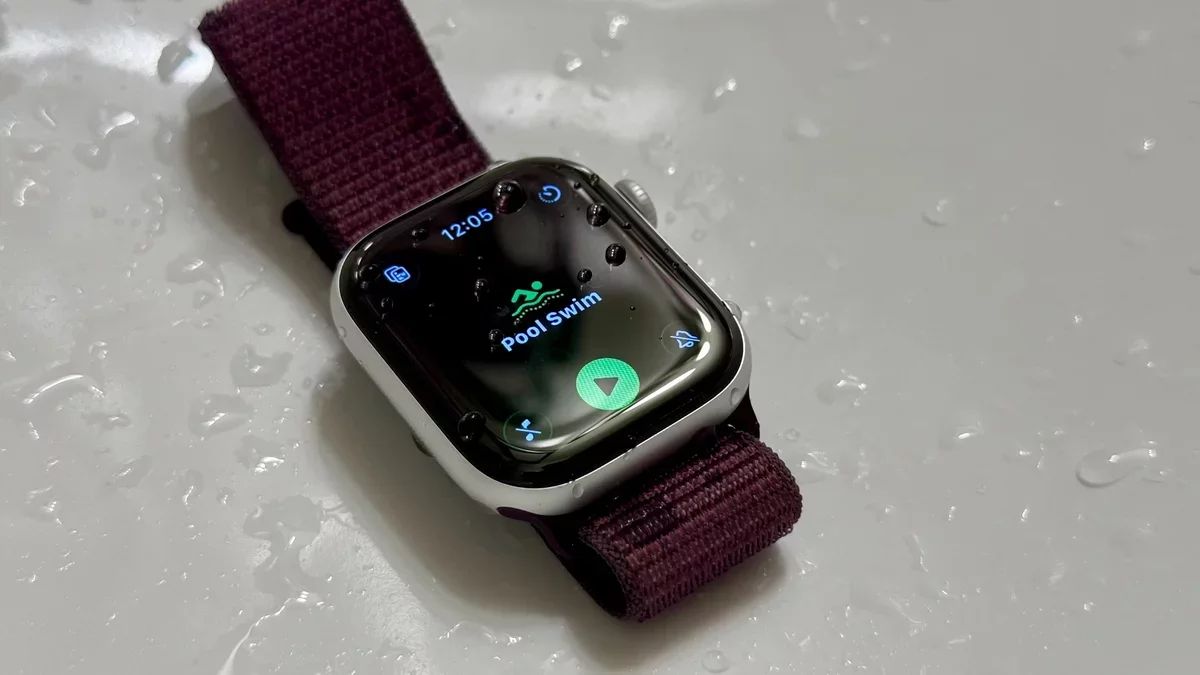
In today's tech landscape, it's common to assume that most smartwatches and fitness trackers are designed for water exposure, whether that means wearing them in the shower, rinsing them off after washing hands, or even using them while swimming. Many models boast features like swimming modes or water lock options, suggesting they can handle wet environments. However, users frequently discover that their devices may not be as waterproof as advertised.
For instance, a user shared their experience with a Galaxy Watch 5 Pro, which suffered damage during an ocean swim, showing signs of salt corrosion. Similarly, another individual reported losing functionality in their first-generation Apple Watch SE after swimming. It's important to note that older models often experience a decline in water resistance over time, and many are not rated for saltwater use, as specified in the fine print.
Understanding Water Resistance Ratings
Manufacturers do not label their devices as "waterproof"; instead, they use IP ratings (like IP68 or IPX7) and ATM ratings to indicate water resistance. The IP rating measures protection against dust and water ingress, while ATM ratings indicate how deep the device can be submerged. For example, the Galaxy Watch 5 Pro's IP68 rating means it has been tested in 1.5 meters of fresh water for 30 minutes, but this does not guarantee durability under all conditions.
Degradation of Water Resistance Over Time
It's crucial to understand that the testing for these ratings is conducted on new devices in fresh water. Over time, seals can deteriorate, affecting water resistance. Manufacturers often caution against exposure to substances other than fresh water. For example, Samsung advises that if the device comes into contact with saltwater or chemicals, it should be rinsed and dried immediately. Similar warnings can be found in the guidelines for Apple and Google devices, emphasizing that water resistance is not a permanent feature.
Preventing Water Damage
Despite these warnings, companies still promote their devices as suitable for low-pressure water environments, such as showers. While minor exposure to water is generally safe, users should consider taking extra precautions. Rinsing and drying devices after exposure to saltwater or chlorinated water is advisable. For avid swimmers, investing in a watch with enhanced water resistance, like the Apple Watch Ultra, may be beneficial. If you own an older model and are on vacation, it might be wise to remove the watch during swimming activities.
As technology continues to evolve, understanding the limitations of water resistance in smartwatches can help consumers make informed decisions, ensuring they choose devices that align with their lifestyle needs.